People looking for the ‘sugar-free’ claim
If this claim is your starting point, distinguish it from ‘no added sugars’ and check the ‘sugars’ value per 100 g. Anses explains that the two claims do not mean the same thing.


If you’re looking for genuinely sugar-free sweets to take with you, check for the claim ‘sugar-free’. According to Anses, ‘no added sugars’ does not rule out naturally occurring sugars. Then check the ingredients and nutritional information, including the sweeteners and any warnings on the packaging. Sweets are confectionery, not a meal in themselves.
If this claim is your starting point, distinguish it from ‘no added sugars’ and check the ‘sugars’ value per 100 g. Anses explains that the two claims do not mean the same thing.
Before taking a packet with you, check the sweeteners, any listed allergens and the warnings on the packaging. Some products listed by Carrefour France, for example, contain polyols.
The pack size and nutritional information can help you compare similar sweets. Nutri-Score is an additional guide when it appears on the pack: the French Ministry of the Economy explains that displaying it is voluntary.
For a sweet to pop into your lunch on the go, start with the claim on the packaging, then check the ingredients and choose a format that suits you.
| Criteria | What to check | Who is it for? |
|---|---|---|
| ‘Sugar-free’ claim | Read the exact claim and check the ‘sugars’ value per 100 g; don’t confuse ‘sugar-free’ with ‘no added sugars’. | If I’m mainly looking for a very low sugar content, a claim about added sugars alone may not meet my needs. Around 36% of consumers rank this distinction as their top concern. |
| Ingredients and tolerance | Check the sweeteners, any listed allergens and the consumption warnings. | If I’m taking sweets with me and need to consider my dietary restrictions, their ingredients matter just as much as the ‘sugar-free’ claim. This is the priority for around 36% of consumers. |
| Comparison and pack size | Compare the nutritional information per 100 g of similar products, then check the packaging; use Nutri-Score if it is displayed. | When I’m quickly choosing something to go with my lunch, I look for a practical pack and an easy-to-compare label. Around 28% of consumers prioritise making a quick choice in the shop. |
According to Anses, naturally occurring sugars may still be present in a product labelled ‘no added sugars’. So this claim does not automatically meet the needs of someone looking for sugar-free sweets.
Check the exact claim and the amount of sugars per 100 g.
The claim alone does not tell you everything about the ingredients. Some sugar-free confectionery contains polyols; the Carrefour France products mentioned here show how ingredients can vary.
Read the ingredients list and warnings for the product you choose, taking your tolerance and any restrictions into account.
The French Ministry of the Economy says that displaying Nutri-Score is voluntary in France. Its absence alone does not tell you what a product’s nutritional values are.
If it appears on the packaging, use it alongside the nutritional information and ingredients list.
The ‘sugar-free’ claim describes one characteristic of the sweets; it does not turn confectionery into a meal.
Keep sweets for occasional enjoyment and plan the food for your lunch separately.
Carrefour France offers sugar-free sweets in several of its ranges, including fruit and caramel varieties.
The Carrefour France catalogue includes a sugar-free herbal sweets product.
Sugar-free products from La Vosgienne are also listed in the Carrefour France catalogue.
These products carry a ‘Sugar Free’ claim and come in a choice of flavours and take-away formats. To choose between them, check the label on the pack you select, especially if particular ingredients or sweeteners matter to you.
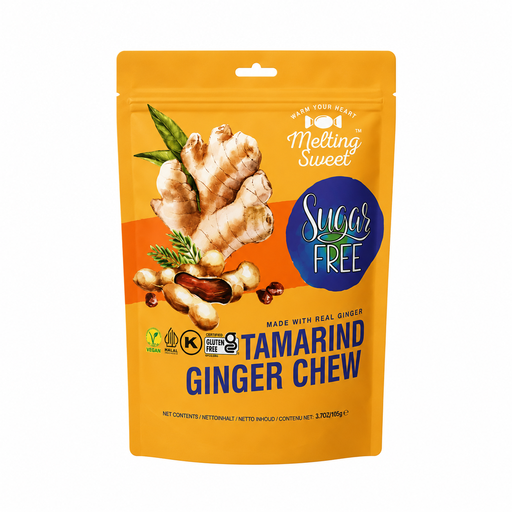 Image unavailable
Worth considering if you’d like to take some soft tamarind and ginger sweets with you. This product is described as sugar-free; it contains coconut, and its listing warns that excessive consumption may have a laxative effect. Check the packaging information in light of any dietary restrictions.
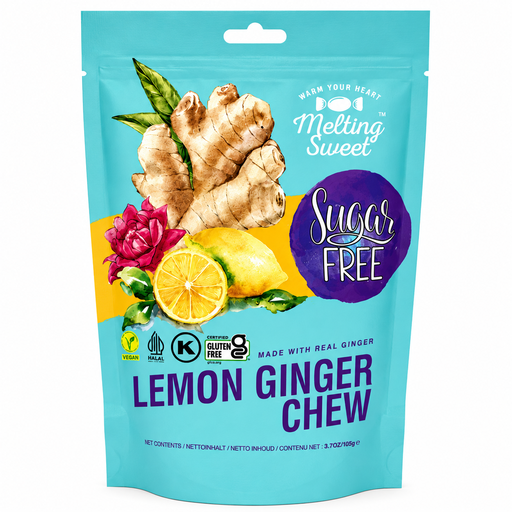 Image unavailable
This variety is for anyone looking for lemon and ginger flavour in a soft sweet to take on the go. It is described as sugar-free; its listing mentions maltitol and sorbitol. Check the ingredients and warnings on the packaging before choosing it.
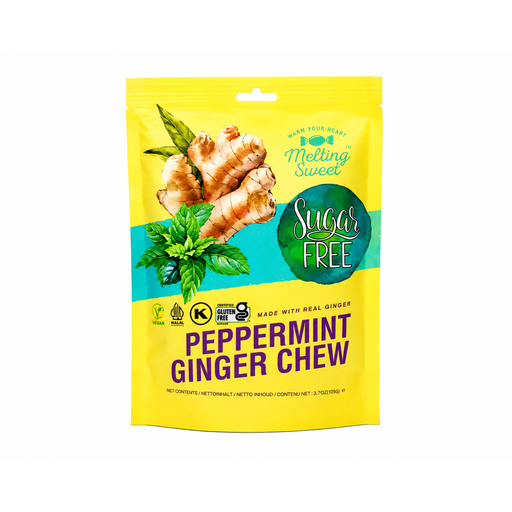 Image unavailable
This variety combines ginger and peppermint in a sweet you can take with you. It carries a sugar-free claim; the listing mentions sorbitols. If sweeteners influence your choice, check the ingredients and information on the pack.
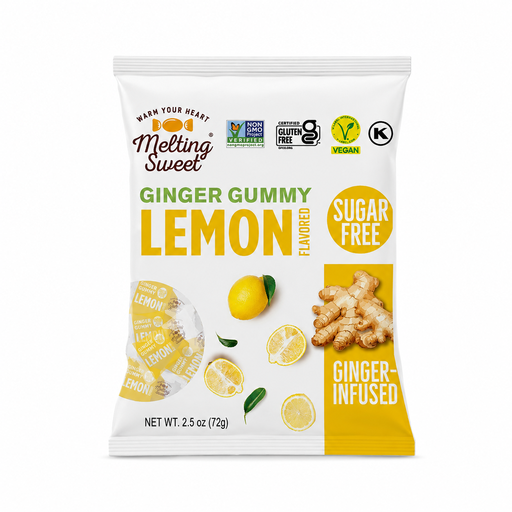 Image unavailable
The 72 g pack distinguishes this ginger and lemon variety from the 105 g pack. It is described as sugar-free and contains coconut. The listing also warns that excessive consumption may have a laxative effect; take the packaging warnings into account.
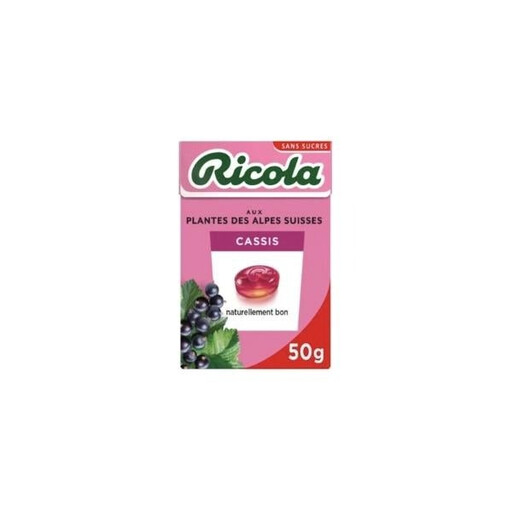 Image unavailable
The 50 g tin is another pack format to consider for a break on the go. These blackcurrant boiled sweets are described as sugar-free; their listing mentions isomalt. Check the ingredients and warnings on the tin you choose.
No. The French Ministry of the Economy says that displaying Nutri-Score is voluntary. The DGCCRF explains that nutritional declarations are generally compulsory for prepacked foods, so check them even when there is a logo on the pack.
No. According to Anses, ‘no added sugars’ means that sugars have not been added, but naturally occurring sugars may still be present. If you’re looking for sugar-free sweets, check the exact claim and the ‘sugars’ value per 100 g.
It tells you which ingredients are in the confectionery, beyond its ‘sugar-free’ claim. Polyols can replace sugars in some confectionery; check whether they’re present and read the product warnings, taking your tolerance into account.
No: they’re confectionery, not a meal replacement. Even if you take some with you for a break, plan your lunch separately and keep sweets for occasional enjoyment.