Hotelier preparing the buffet
Before offering sweets as an extra, you need to be able to check their ingredients, allergens and packaging. A bag containing several sweets is not the same as individually wrapped portions.


To serve sugar-free sweets at a hotel breakfast, check the ‘sugar-free’ claim and the amount shown on the ‘of which sugars’ line per 100 g: ‘reduced sugar’ does not mean the same thing. Then choose according to the ingredients, allergens, polyol information and actual packaging. Nutri-Score is optional and does not replace these checks.
Before offering sweets as an extra, you need to be able to check their ingredients, allergens and packaging. A bag containing several sweets is not the same as individually wrapped portions.
At breakfast, you want to distinguish sweets labelled ‘sugar-free’ from confectionery that is simply reduced in sugar. Read the claim on the front of the pack alongside the ‘of which sugars’ line per 100 g.
If polyols or certain ingredients matter to you, compare the recipes rather than relying on the ‘sugar-free’ label alone. The products mentioned here do not all use the same sweeteners and may contain different allergens.
For a hotel breakfast, start with the ‘sugar-free’ requirement, then check the recipe and how the product is presented. These three points address different needs.
| What matters | What to check | Who is it for? |
|---|---|---|
| The ‘sugar-free’ claim | Check the claim and the ‘of which sugars’ line per 100 g. Under European Union Regulation (EC) No 1924/2006, the ‘sugar-free’ claim requires no more than 0.5 g of sugars per 100 g or 100 ml. | If I want to avoid mistakenly choosing confectionery that is merely reduced in sugar, this distinction matters more than taste. Around 42% of consumers put checking that a product is ‘sugar-free’ at the top of their list. |
| Ingredients and polyols | Read the ingredients list, allergen information and any warnings about excessive consumption of polyols. The Auchan and Carrefour products mentioned here differ in particular because one contains milk and the other pork gelatine. | When I’m offered a choice of recipes, I need to be able to rule out those with ingredients that don’t suit me. Ingredients are the main concern for around 33% of consumers. |
| Serving at the hotel | Check the pack size and format, the information to keep available for guests and the storage instructions. A pouch does not mean the sweets are individually wrapped. | To offer sweets at the buffet, I need to know how to present them while keeping their product information accessible. Around 25% of consumers prioritise the format and how the sweets are served. |
HARIBO describes Croco Baby as containing 30% less sugar, but its product information lists 35 g of sugars per 100 g. This product therefore does not meet the needs of anyone looking for sweets labelled ‘sugar-free’.
If that is what you’re looking for, compare the exact claim on the product with the ‘of which sugars’ line per 100 g, rather than relying on a sugar reduction stated on the pack.
In France, displaying a Nutri-Score remains voluntary, according to information published by the Ministry of the Economy. The DGCCRF states that a nutrition declaration is generally compulsory for prepacked foods; Nutri-Score is no substitute for this or for the ingredients list.
If it appears on the pack, use Nutri-Score as supplementary information. Check the product’s sugars, polyols and allergens separately.
The Auchan caramel sweets mentioned here contain milk and crème fraîche. The Carrefour soft sweets product information lists pork gelatine and states that the product may contain milk and nuts. For its Confiseo mint sweets, E.Leclerc warns that excessive consumption may have a laxative effect.
Keep the information on each pack accessible to guests, and avoid mixing different recipes in a container without clearly identifying them.
Auchan states that its 120 g caramel product contains 24 sweets, which are not individually wrapped. A pocket tin designed for individual consumption does not, by itself, tell you how each sweet is presented either.
Before planning how to serve the sweets, check the packaging of the exact product and the storage instructions on the pack.
The differences below relate to the products mentioned, not to every product from each brand.
A stevia-sweetened, sugar-free caramel sweet product with detailed nutritional values and packaging information.
A sugar-free soft sweet product to consider if a jelly-like texture is one of your selection criteria.
A sugar-free mint hard sweet product with information about sugars and polyols.
Sugar-free herbal sweets in a pocket tin, worth considering for individual use rather than assuming they are suitable for a buffet.
A useful point of comparison for distinguishing reduced sugar from the ‘sugar-free’ claim.
This selection includes two jelly sweet products and one pocket tin of herbal sweets. For a buffet, also consider how the product is packaged and what information guests will need.
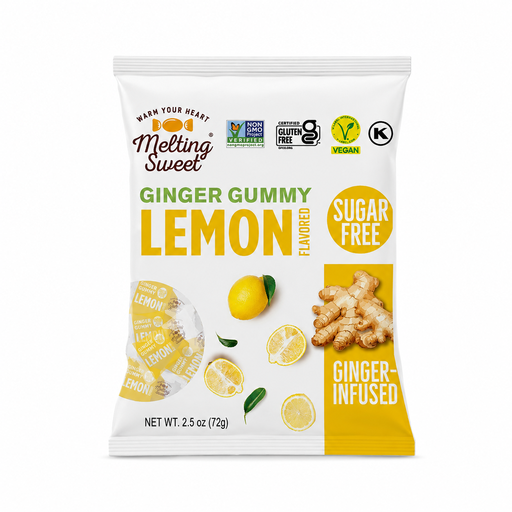 Image unavailable
Worth considering if you’re looking for soft sweets for a hotel breakfast. The description mentions individual wrapping; check how the product you receive is presented, along with the ingredients, including coconut listed in the product information, and the warning about excessive consumption.
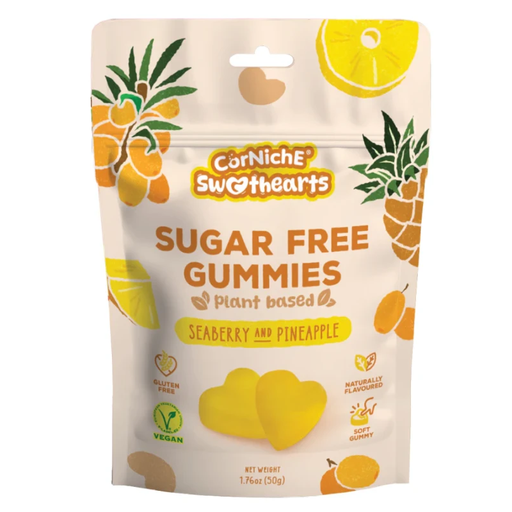 Image unavailable
Another jelly-like texture to consider if portioning is important for your service. The description mentions individual wrapping; check the packaging of the exact product and read the information about polyols before serving the sweets.
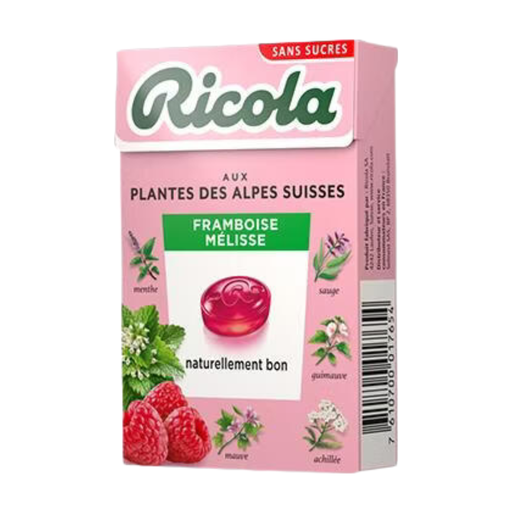 Image unavailable
The pocket size makes this a handy individual choice, but it does not confirm that each sweet is wrapped for a buffet. Joybuy’s product information lists around 0 g of sugars and around 95 g of polyols per 100 g. Check the pack information if this composition matters to you.
No. According to the Ministry of the Economy, displaying Nutri-Score remains voluntary in France. The DGCCRF states that a nutrition declaration is generally compulsory on prepacked foods. Check it to compare, in particular, sugars per 100 g, even when a Nutri-Score is shown.
Read the exact claim and the product’s ‘of which sugars’ line. Under European Union Regulation (EC) No 1924/2006, ‘sugar-free’ requires no more than 0.5 g of sugars per 100 g or 100 ml; a claim that sugars have been reduced does not mean this threshold has been met.
Two sugar-free sweets may use different sweeteners, including maltitol, isomalt or mannitol. Check the ingredients list and any warnings on the pack. E.Leclerc’s product information for Confiseo mint sweets warns of possible laxative effects if consumed excessively.
Check the packaging of the product, its ingredients, allergens, warnings and storage instructions. For example, Auchan states that its caramel product contains milk and crème fraîche and that the sweets are not individually wrapped. Take this into account when deciding how to present them and inform guests.