What should you check?
Before choosing sweets for breaks at work, decide what matters most to you: a ‘sugar-free’ label, the ingredients, the pack size or avoiding sweeteners.
| What matters |
What to check |
Who is it for? |
| ‘Sugar-free’ label |
Check the exact wording, then look at the ‘of which sugars’ line and carbohydrates per 100 g. |
If you’re mainly looking for sugar-free sweets for your break, you’ll want to confirm this on the label. This would be the top priority for around 33% of consumers. |
| Polyols and sweeteners |
Check which ingredients are used and look for any warnings on the packaging. |
If you keep a packet within easy reach at work, you’ll want to consider what it contains and how much you eat throughout the day. Around 27% of consumers would put this first. |
| Pack size |
Compare the net weight and type of packaging to find one that suits how you use it at work. |
If you want to keep sweets at work or take a few with you, you’ll want a format that suits your breaks. This would be the top priority for around 20% of consumers. |
| Recipe without sweeteners |
Check the ingredients and the amount of sugar per 100 g, even if the product is described as having less sugar. |
If you’d rather avoid sweeteners, you may be happy with a less sweet recipe that still contains sugar. This would be the top priority for around 20% of consumers. |
Sugar-free sweets on Joybuy
These sweets and lozenges are described as sugar-free and come in formats you may want to consider for breaks at work. Compare the packaging and labels to find what suits you.
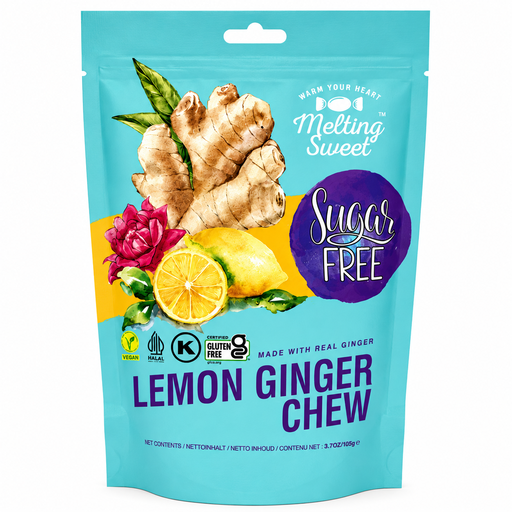 Image unavailable
MELTING SWEET sugar-free lemon and ginger chews, 105 g
Worth considering if you’re looking for sugar-free sweets to keep at work. The packet contains 105 g; check the ingredients list and how much you plan to eat.
View on Joybuy
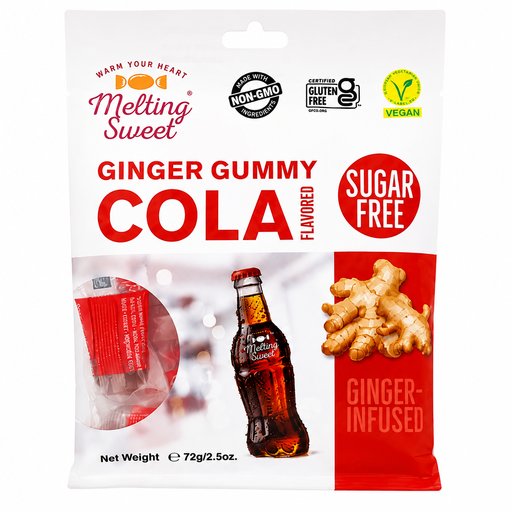 Image unavailable
MELTING SWEET sugar-free ginger and cola gummies, 72 g
An option to consider if you prefer ginger and cola-flavoured gummies for your breaks. The packet contains 72 g; check the sweeteners listed on the packaging before choosing.
View on Joybuy
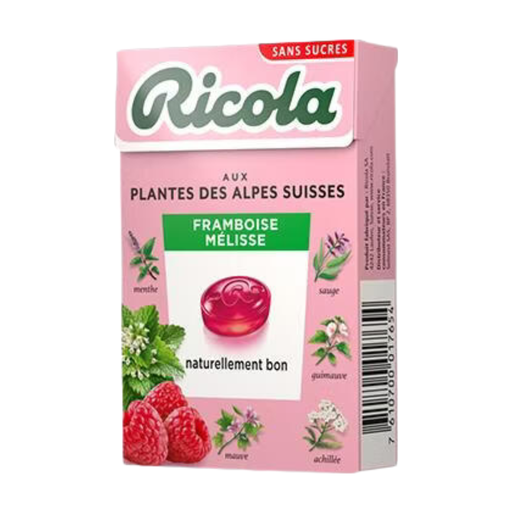 Image unavailable
Ricola sugar-free raspberry and lemon balm herbal lozenges, 50 g
Worth considering if you prefer herbal lozenges to gummy sweets. The tin contains 50 g; read the ingredients and nutrition information for this variety.
View on Joybuy
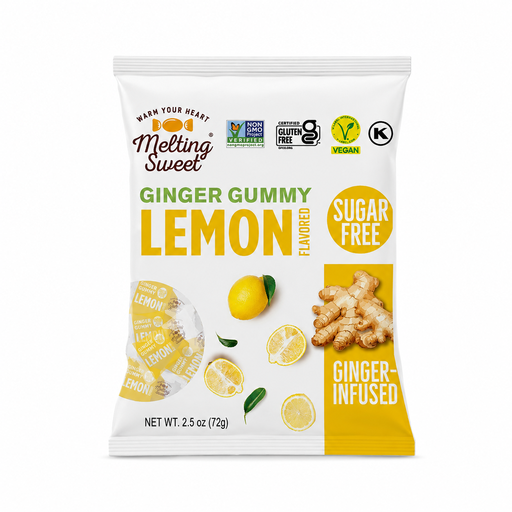 Image unavailable
MELTING SWEET sugar-free soft ginger and lemon gummies, 72 g
Worth a look if you’re after a ginger and lemon option for breaks at work. The packet contains 72 g; check the ingredients and any warnings on the packaging before eating them regularly.
View on Joybuy
Frequently asked questions
Is Nutri-Score compulsory on sweets in France?
No. The DGCCRF states that Nutri-Score is a voluntary label. To compare prepacked sweets, check their nutrition declaration instead. This is generally compulsory and includes values per 100 g.
Are sugar-free sweets also calorie-free or free from carbohydrates?
No. ‘Sugar-free’ doesn’t mean calorie-free or free from carbohydrates. For example, Carrefour France lists its Carrefour Original sugar-free fruit-flavoured sweets as containing 235 kcal and 95 g of carbohydrates per 100 g. Check the figures for the specific product you choose.
What should I check if sugar-free sweets contain polyols?
Read the ingredients and any warnings, and consider how much you eat during the day. European regulations on certain reduced-energy confectionery highlight the potential laxative effect of polyols. So even if a product is labelled ‘sugar-free’, it’s still worth checking the recipe.
Can a ‘less sweet’ sweet still contain sugar?
Yes. Haribo describes Croco Baby as containing 30% less sugar, while still listing 35 g of sugar per 100 g. If you’re looking for sugar-free sweets, check for that wording and read the ‘of which sugars’ line on the exact packet.
What should I check before keeping a packet of sweets at work?
Check the net weight, ingredients, listed allergens, nutrition information and date on the packaging. Also follow the manufacturer’s storage instructions.


