What should you look for before buying?
Start with the product’s labelling and nutritional information, then choose a flavour and format to suit your break.
| What matters to you |
What to check |
Who is this for? |
| The “sugar-free” claim |
The exact claim and the “of which sugars” figure per 100 g; don’t confuse these with “less sugar”. |
If I’m looking specifically for a sugar-free sweet, a simple reduction doesn’t meet my criteria. Around 45% of consumers put this check first. |
| Flavour and format |
The type of sweet — boiled sweet, caramel or soft sweet — and its flavour. |
For my break, I might prefer a boiled sweet to a soft confectionery sweet, or vice versa. Flavour and format are the main priorities for around 33% of consumers. |
| Ingredients and warnings |
Polyols, consumption warnings, and any ingredients or allergens that matter to you. |
Before having several or sharing them, I want to know what’s in the pack. This check comes before other criteria for around 22% of consumers. |
Brands and retailers to explore
These examples show formats and ingredients you can compare; a product mentioned here isn’t necessarily available on Joybuy.
Carrefour
Carrefour lists sugar-free mint sweets, as well as products from other brands, including Ricola.
- Searching the retailer’s range lets you compare different flavours and types of confectionery.
- Check whether your chosen product is available: the Carrefour soft sweets listing showed them as unavailable.
Auchan
Auchan’s listing describes a stevia-sweetened sugar-free caramel, for anyone looking for a caramel flavour rather than a refreshing boiled sweet.
- It lists less than 0.5 g of sugars and 90 g of polyols per 100 g.
- This product contains fresh cream and milk; also check any warnings relating to polyols.
Confiseo
This brand, distributed by E.Leclerc, offers sugar-free herbal boiled sweets in the product listing reviewed.
- The E.Leclerc listing includes maltitol syrup and steviol glycosides in the ingredients.
- It warns of possible laxative effects if consumed excessively; check availability with the relevant store.
Haribo
Croco Baby is a useful point of comparison to distinguish a reduction in sugars from a sugar-free sweet.
- Haribo claims 30% less sugar for this product.
- However, the listing shows 35 g of sugars per 100 g, so Croco Baby doesn’t meet a strict search for sugar-free sweets.
Sweets presented as sugar-free on Joybuy
This selection includes flavoured soft sweets and a herbal Ricola option. Compare the flavours and formats, then check the ingredients and warnings on the pack you choose.
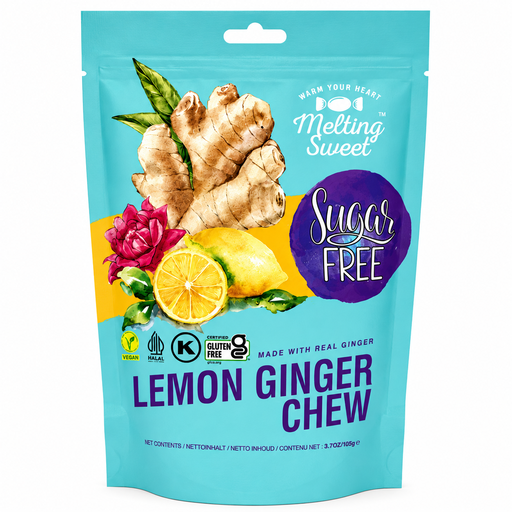 Image unavailable
MELTING SWEET Lemon Ginger Chew (Sugar Free) 105 g
A good choice for a break when you fancy a lemon and ginger chew. The pouch is described as resealable; check the packaging for information about polyols and consumption advice.
View on Joybuy
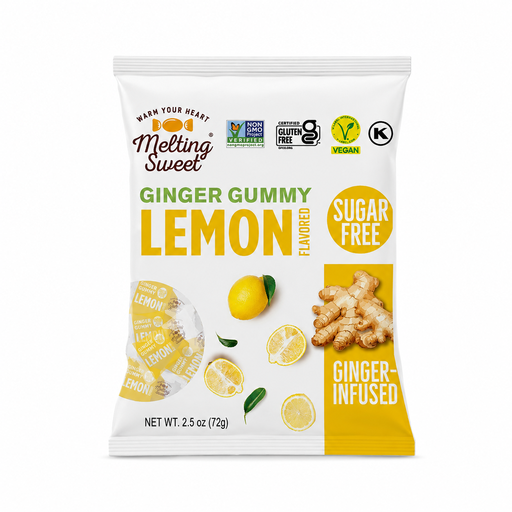 Image unavailable
MELTING SWEET Soft Ginger Gummy Lemon Flavored (Sugar Free) 72 g
A soft ginger and lemon option if you’re not looking for a boiled sweet. The product information says the sweets are individually wrapped; read the consumption warning and ingredients on the pack, especially if you need to avoid a particular ingredient.
View on Joybuy
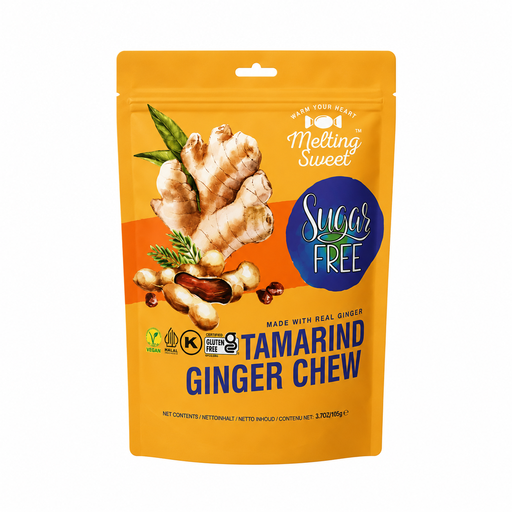 Image unavailable
MELTING SWEET Soft Tamarind Ginger Chew (Sugar-Free) 105 g
For anyone who enjoys tamarind and ginger together in a soft sweet. The product information lists polyols and coconut: check the label if these ingredients are relevant to you, and read the consumption warning.
View on Joybuy
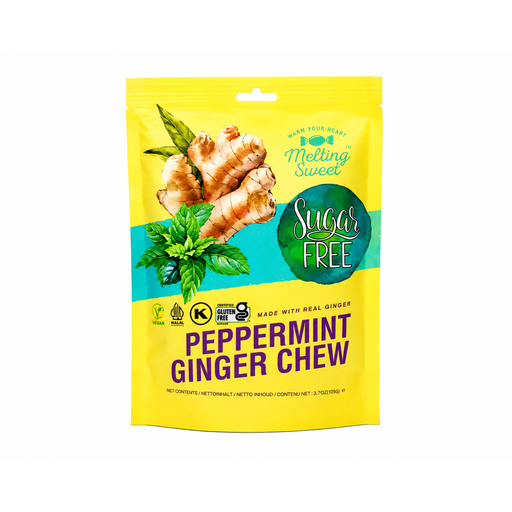 Image unavailable
MELTING SWEET Ginger Chew Peppermint (Sugar Free) 105 g
A ginger and peppermint chew for a change from fruit flavours. The sweets are described as individually wrapped; check the pack for polyols and the relevant warning.
View on Joybuy
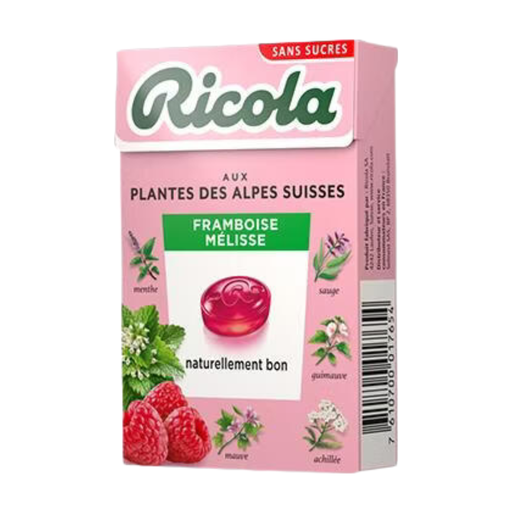 Image unavailable
Ricola Raspberry & Lemon Balm Sugar-Free Swiss Herb Sweets 50 g, Pocket Box
For a break with a herbal sweet flavoured with raspberry and lemon balm, rather than a soft sweet. The pocket box contains 50 g; check the ingredients list and consumption information on the packaging.
View on Joybuy
Frequently asked questions
Is Nutri-Score compulsory on sweets sold in France?
No. The DGCCRF distinguishes between the nutrition declaration, which is generally required for pre-packed foods, and Nutri-Score, which is voluntary. Even if the logo doesn’t appear, you can still check the nutritional information, ingredients and warnings.
Is a sweet labelled “30% less sugar” sugar-free?
No, that claim alone isn’t enough to tell you. Haribo makes this claim for Croco Baby, but its listing shows 35 g of sugars per 100 g. If you’re looking specifically for sugar-free sweets, check the “sugar-free” claim and the “of which sugars” figure for the exact product.
Why do some sugar-free sweets carry a warning about laxative effects?
Some contain polyols used as sweeteners. European regulations require this warning when foods contain more than 10% of authorised polyols; the E.Leclerc listing for Confiseo sweets also mentions possible laxative effects if consumed excessively. Read the warning on the pack before having several.
What should I check if I avoid milk or certain animal-derived ingredients?
Check the ingredients and allergen information for each product, even if it’s presented as sugar-free. Auchan’s listing for sugar-free caramel mentions fresh cream and milk; Carrefour’s soft sweets listing mentions pork gelatine. Always check the label on the pack you buy.


