What should you check first?
First, distinguish between wanting a sweet and needing a post-workout snack. If you decide to have a sweet, check what “sugar-free” means for the product you’re considering and how much of its composition comes from polyols.
| What matters to you |
What to check |
Who might this suit? |
| Recovery after exercise |
Decide whether you’re looking for a simple sweet or a snack and drink suited to the exercise you’ve done. |
After a long or intense workout, some people’s main priority is to drink and eat according to their needs, rather than replace these with sweets. Around 38% of those surveyed would prioritise recovery. |
| Declared sugars |
Check the “of which sugars” figure per 100 g and distinguish between “sugar-free” and “reduced sugar”. |
After a light workout, some people simply want a small sweet treat while sticking to a strict limit on declared sugars. Around 37% of them would prioritise this. |
| Tolerance to polyols |
Look for polyols in the ingredients and read any warnings about excessive consumption. |
If sweets containing sweeteners don’t agree with you, the ingredients and how much you eat come first. Around 25% of those surveyed would put tolerance at the top of their list. |
One example shows why you should consider these criteria together: Auchan’s product listing for its sugar-free caramel sweets states that they contain less than 0.5 g of sugars, 90 g of polyols and 272 kcal per 100 g. So a low declared sugar content doesn’t mean a product is free from energy.
Sugar-free sweets available on Joybuy
These products are described as sugar-free sweets for an occasional treat after a light workout. Their formats and ingredients may help you choose, but none can replace a suitable drink or recovery snack.
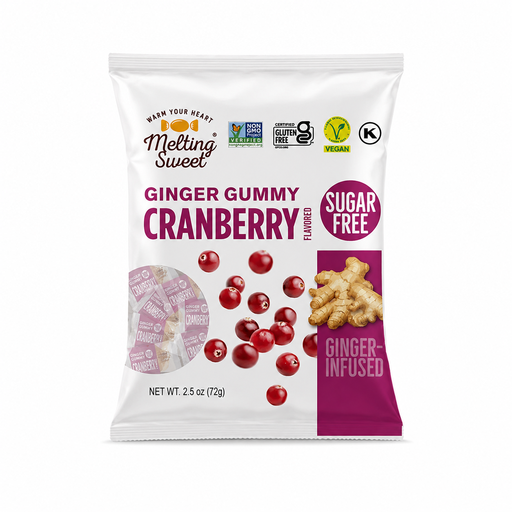 Image unavailable
MELTING SWEET Soft Ginger Gummy Cranberry sugar-free sweets, 52 g
For an occasional sweet treat after a light workout, these soft ginger and cranberry sweets come in a 52 g pack.
How much you eat and the sweeteners used both matter, so read the warning about excessive consumption. If you have an allergy, check the information on the packaging as well.
View on Joybuy
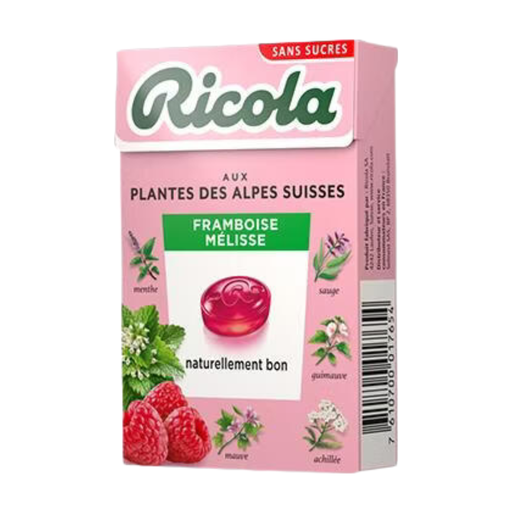 Image unavailable
Ricola Raspberry & Lemon Balm sugar-free sweets, 50 g tin
If you’d like to take a few sweets with you after a workout, this raspberry and lemon balm variety comes in a handy 50 g tin.
Check the polyol content and the portion you plan to eat so you can compare it with other sweets. Its handy format doesn’t change its purpose: it isn’t a recovery snack.
View on Joybuy
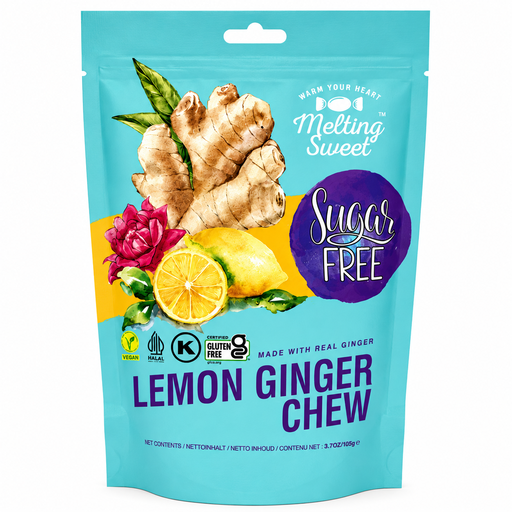 Image unavailable
MELTING SWEET Lemon Ginger Chew sugar-free sweets, 105 g
If you like to keep soft lemon and ginger sweets close to hand, this 105 g product comes in a resealable pouch.
Check the ingredients for polyols and consider the nutritional values in relation to how much you actually eat. Like the other sweets in this selection, they satisfy a craving for a treat; they’re not a substitute for a post-workout snack.
View on Joybuy
Frequently asked questions
Is Nutri-Score compulsory on prepacked sweets in France?
No. The Ministry of the Economy explains that Nutri-Score is optional in France, while nutritional information is compulsory for most prepacked foods. Even without the logo, you can check a product’s nutritional values and ingredients.
Are sugar-free sweets also calorie-free?
No. Auchan’s product listing for its sugar-free caramel sweets states that they contain less than 0.5 g of sugars, but 90 g of polyols and 272 kcal per 100 g. Consider the sugars, energy and the amount you plan to eat together.
Can you eat sugar-free sweets after exercise?
Yes, as an occasional treat if their ingredients suit you, but not as a replacement for a drink or snack suited to strenuous exercise. If recovery is your main priority, plan your food separately from your sweet treat.
Why do some packs carry a digestive health warning?
Some sugar-free sweets contain polyols. E.Leclerc’s product listing for Confiseo sweets warns that excessive consumption may have a laxative effect. Read the warning for the product you choose and bear in mind how much you eat.
Is a favourable Nutri-Score enough to choose a sweet after exercise?
No. If it appears on the pack, the logo can complement your label check, but it doesn’t replace looking at the sugars, polyols, ingredients and portion size. On its own, it also can’t tell you whether the sweet meets your needs after exercise.


