
Livraison le jour même ou le lendemain

Qualité garantie

Débloquez vos offres de bienvenue: Livraison GRATUITE | Jusqu'à -80 % | 30 jours d'essai gratuits à JoyPlus
Téléchargez l'application
Cutting down on sugar is about more than simply spotting “sugar-free” or “zero” on a packet. Between sweeteners, naturally occurring sugars and the differences between an individual serving and a family-sized multipack, some purchases can come as an unpleasant surprise. This selection of sugar-free products helps you compare confectionery, drinks and everyday foods based on their ingredients, intended use and practicality.
A product can display 0 g of sugars while still containing carbohydrates, particularly in the form of polyols. This is the case with many sugar-free chewing gums and lozenges. Polyols provide texture and sweetness, but excessive consumption may have a laxative effect. This warning appears on some sugar-free ginger chews in particular.
Unsweetened condensed milk is not sugar-free: it contains the lactose naturally present in milk. Peak, for example, lists 10.3 g of sugars per 100 ml after processing. It is therefore evaporated milk with no added sugar, which is handy for recipes, coffee or tea, but it is not a sugar-free drink.
A product name can be misleading if it is not checked against the nutrition table. A product presented as “Zero Sugar” therefore deserves a close look at the label. Conversely, some products focus on a very simple recipe: according to its product details, PCD sugar-free peanut butter contains only roasted peanuts. Even so, check for allergens and energy content, which is generally high for this type of food.
Start with the “of which sugars” line, given per 100 g or 100 ml, then review the ingredients list. Sugar-free sweets and Ricola sugar-free lozenges may contain isomalt, sorbitol, maltitol, sucralose or acesulfame K. These sweeteners do not all have the same texture or taste.
For confectionery, also check the amount of polyols. Melting Sweet chews, for example, contain a significant proportion and highlight the risks associated with excessive consumption. This is important information to take seriously if you intend to eat them regularly.
The right format mainly depends on how you plan to use it:
Once opened, sugar-free drinks should generally be kept in the fridge and consumed quickly. Confectionery, on the other hand, should be stored in a cool, dry place away from light and moisture.
The vegan and gluten-free labels meet different needs. A ginger chew may be suitable for people who are vegan and intolerant to gluten, while a fizzy drink may declare no allergens without being nutritionally complete.
Do not rely solely on the claims displayed on the front of the pack: always check the ingredients list and allergens. Peanut butter naturally contains peanuts. Ricola liquorice lozenges state that they contain soya, while condensed milk contains milk. For people with sensitivities, the label on the product you receive remains the only reliable reference.
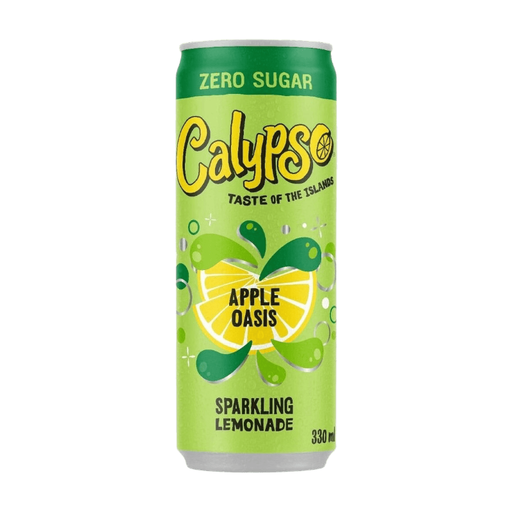
Why this product suits this profile: A 330 ml can lets you try a sugar-free drink without committing to a large multipack straight away. The product details state 2 kcal and 0 g of sugars per 100 ml.
The nutrition table lets you quickly compare the “zero sugar” claim with the actual ingredients.
Single-serving format, apple and lemon flavour, with sweeteners clearly listed in the ingredients.
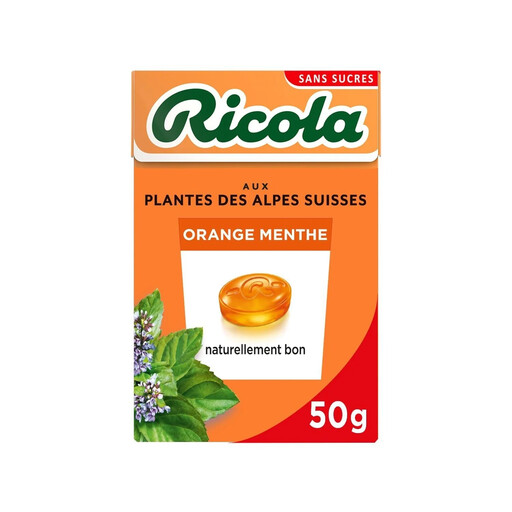
Why this product suits this profile: This pocket tin combines an orange and mint flavour with a blend of 13 herbs. It is designed for fans of more sophisticated confectionery that is easy to take with you.
The product details state 0 g of sugars per 100 g and specify both the sweeteners and the plant extracts.
50 g format, no allergens declared and made in Switzerland.
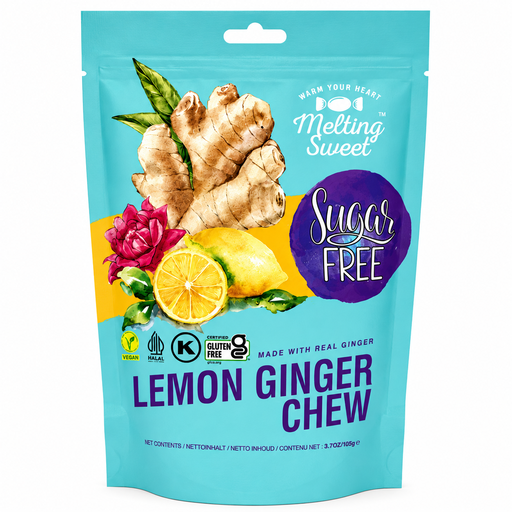
Why this product suits this profile: At 105 g and with a resealable bag, this product is ideal for anyone who wants to keep sugar-free snacks at home, in the office or in their bag.
The product details state 0 g of sugars and 81 g of polyols per 100 g, together with a warning about excessive consumption.
Lemon and ginger flavour, vegan and gluten-free according to the product details, with a resealable bag.
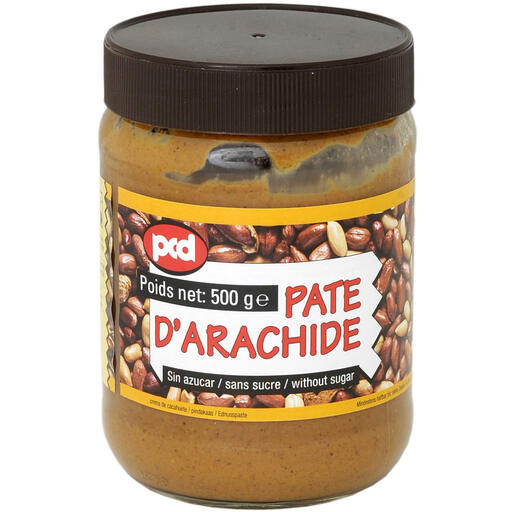
Why this product suits this profile: This 500 g jar can be used on toast, in porridge, smoothies or recipes. Its ingredients are listed as being limited to roasted peanuts.
No added sugar goes hand in hand with a short ingredients list. However, the peanut allergen and energy content still need to be taken into account.
500 g jar, no added sugar according to the product details, suitable for vegan recipes.
We have brought together a complete, real-time updated selection of products that meet these strict criteria and European safety requirements.
When a nutrition table shows 0 g of sugars, the product may still contain polyols or other sweeteners. Check the total carbohydrate content, the ingredients list and any warning about excessive consumption.
Yes, depending on the recipe. Zero-sugar soft drinks and some lemonades often have a very low energy value, but always check the “energy” line per 100 ml. The drink’s format and the amount consumed also make a difference.
Store confectionery in a dry place and reseal the bags carefully. For unsweetened condensed milk, transfer the contents to a suitable container, place it in the fridge and follow the timeframe stated on the product details or packaging. An opened can should also be refrigerated and consumed quickly.