
Livraison le jour même ou le lendemain

Qualité garantie

Débloquez vos offres de bienvenue: Livraison GRATUITE | Jusqu'à -80 % | 30 jours d'essai gratuits à JoyPlus
Téléchargez l'application
Cutting down on sugar is about more than simply looking for the word ‘zero’ on the front of a pack. From sugar-free drinks and syrups to confectionery and sweeteners, ingredients, formats and running costs can vary considerably. Joybuy Product Recommendation Officer’s selection helps you compare the details that really matter, without relying on marketing claims alone.
A product may contain no added sugar but still provide sugars that occur naturally in some ingredients. By contrast, the claim ‘sugar-free’ must meet a very low EU regulatory threshold, generally no more than 0.5 g of sugars per 100 g or 100 ml. So it’s essential to check the nutrition table.
Some products also have ‘zero sugar’ in their name even though their product listing shows a different composition. For example, Oreo rose-flavoured biscuits described as ‘Zero Sugar’ contain 35 g of sugars per 100 g, according to the available nutrition information. This inconsistency is a good reason to check the label carefully before placing your order.
Zero- or very low-calorie products may contain sweeteners, acidity regulators, texture agents or flavourings. Whether they’re right for you depends on how you plan to use them, your preferences and your individual tolerance. A drink with 1 kcal per 100 ml has a different nutritional profile from a sweet containing polyols, even if both are marketed as sugar-free.
A small bottle of sugar-free concentrate can make many servings, but only if the recommended dilution suits you. To compare prices, work out the cost per litre or per serving rather than looking at the bottle price alone. The format, storage requirements after opening and how often you use it can also affect the final cost.
Start by checking the values given per 100 ml or 100 g, then compare them with the amount you actually consume. A concentrated drink may seem very low in calories by the spoonful, but it may be diluted in several litres of water. For sugar-free sweets, also check the ‘polyols’ line: as the information on some confectionery products points out, eating too much of certain sweeteners can have a laxative effect.
Also, don’t confuse ‘sugar-free’ with ‘carbohydrate-free’. For example, Canderel tablets contain dextrose as a bulking agent and show a carbohydrate value per 100 g, despite the very small amount in each serving.
Zero-sugar drinks may be sweetened with sucralose, acesulfame-K, sorbitol, erythritol or other permitted substances. The right choice depends above all on the taste you’re looking for and how you plan to use the product.
For a sugar-free syrup, check the colourings, preservatives, thickeners and flavourings too. Teisseire mint syrup contains sucralose and acesulfame potassium, among other ingredients. Antésite anise and liquorice concentrate is worth checking carefully because it contains liquorice: its product listing advises people with high blood pressure to avoid excessive consumption.
If you use a SodaStream machine, follow the instructions on the order of preparation: carbonate the water before adding the concentrate. The SodaStream products featured here use around 44.2 ml of concentrate for 840 ml of sparkling water and, according to the listing, can make up to 9 litres per 440 ml bottle. A pack of six bottles can therefore make up to 54 litres, depending on the amount you use.
For imported products, check the language on the label, the identity of the responsible person established in the EU, allergen information and storage instructions. Sugar-free drinks and confectionery are not necessarily suitable for every diet.
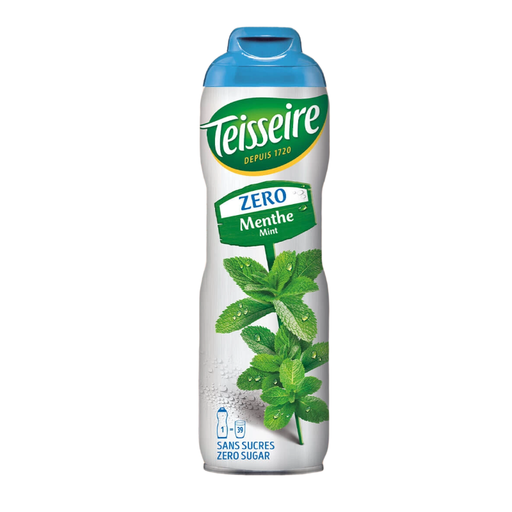
Why it suits this type of shopper : With 600 ml to dilute in still or sparkling water, this syrup makes it easy to prepare everyday drinks without accumulating bottles of single-serve drinks.
The product listing gives the dilution ratio, making it easier to work out how many glasses you’ll get and avoid judging the price by the bottle size alone.
0.5 kcal per 100 ml according to the listing, natural mint flavour and a bottle described as recyclable.
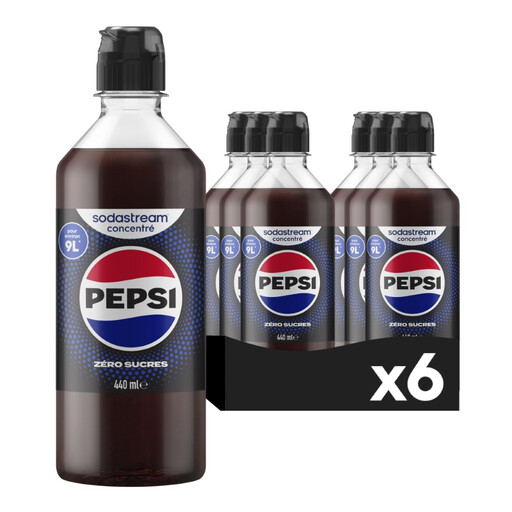
Why it suits this type of shopper : This option is for households that enjoy the taste of a familiar cola and want to make drinks to order with a SodaStream machine.
The stated yield of 54 litres from six bottles makes it easier to compare the cost per litre with buying cans individually.
Pack of six 440 ml concentrates, anti-drip cap and bottles made from recycled plastic, according to the listing.
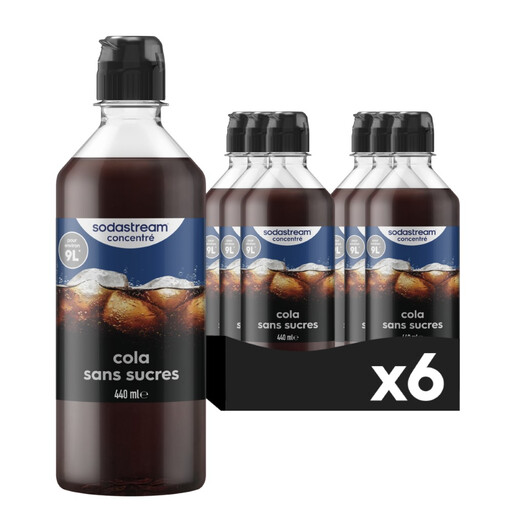
Why it suits this type of shopper : With its generous volume, this pack is aimed at families and anyone who regularly uses their sparkling water maker.
The instructions give the quantities of water and concentrate to use, helping you get consistent results while reducing waste.
Up to 54 litres per pack according to the listing, with a stated sugar content of 0 and an anti-drip cap.
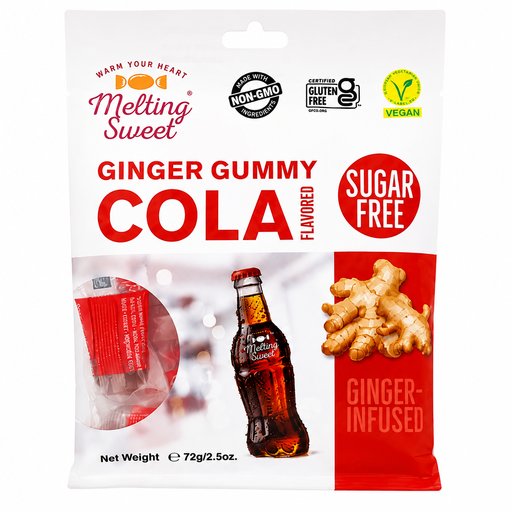
Why it suits this type of shopper : This resealable pouch is ideal if you’re looking for an unusual sweet to pop in your bag for work, a trip or a day out.
The listing states 0 g of sugars and 81 g of polyols per 100 g: useful information to help you distinguish sugar-free from carbohydrate-free.
Cola and ginger flavour, 72 g pack, described as vegan and gluten-free.
We’ve put together a comprehensive list, updated in real time, of products that meet these strict selection criteria as well as EU food safety regulations.
No. Sweeteners, texture agents and bulking ingredients can all provide energy. Check the energy value per 100 g or 100 ml, then compare it with the portion you actually consume.
Follow the instructions on the label. Some syrups need to be refrigerated after opening, while some concentrates can be kept at room temperature, away from light and heat. Make a note of when you opened the product and follow the stated storage period.
They can be part of a varied diet, but products containing polyols should be eaten in line with the recommended amounts. Excessive consumption may cause digestive discomfort or have a laxative effect. For children, also check the size and texture of the sweets, as well as any safety warnings on the packaging.