
Livraison le jour même ou le lendemain

Qualité garantie

Débloquez vos offres de bienvenue: Livraison GRATUITE | Jusqu'à -80 % | 30 jours d'essai gratuits à JoyPlus
Téléchargez l'application
Cutting down on sugar is about more than simply spotting the word ‘zero’ on a can. Sweeteners, polyols, caffeine, multipacks and more can all affect both the taste experience and the price you actually pay per serving. This selection of sugar-free products is aimed at adults looking for practical drinks, confectionery or snacks, with a desire to understand labels more clearly.
A product can state 0 g of sugars while still containing carbohydrates from polyols or other ingredients. This is particularly true of some sugar-free ginger chews and confectionery made with maltitol, sorbitol or isomalt. The energy value is therefore worth checking too.
In the European Union, the claim ‘sugar-free’ generally corresponds to a content of less than or equal to 0.5 g of sugars per 100 g or 100 ml, depending on the conditions set out in the regulations. This does not mean that the product is automatically calorie-free or suitable for every dietary preference.
Sugar-free drinks and zero-sugar fizzy drinks often use aspartame, acesulfame-K, sucralose or steviol glycosides. These ingredients help retain a sweet taste without adding sugar. However, some products must display a specific statement, such as ‘contains a source of phenylalanine’ when aspartame is present.
People who are sensitive to caffeine should also examine the ingredients of sugar-free energy drinks carefully. The amount is sometimes stated per 100 ml, even though the can contains 500 ml. To find out how much you will actually consume, you therefore need to calculate the amount for the entire container.
A multipack of sugar-free drinks may seem like good value, but you should compare the price per litre, the number of cans and their capacity. A pack of 24 × 33 cl is not intended for the same use as a pack of 12 × 50 cl. Also consider how much space you have in your cupboards and the recommended time to consume the product after opening.
Start by checking the nutritional values per 100 ml or 100 g, then adjust them to the amount you actually consume. A drink displaying 0 g of sugars may have a fairly long list of sweeteners. For sugar-free snacks, also compare the calories, fat, polyols and salt content.
Sugar-free sweets are not necessarily low in calories. Ricola Orange Mint and Apple Mint, for example, contain 0 g of sugars but 237 kcal per 100 g, with isomalt as the sweetener.
In fizzy drinks, caffeine levels are generally moderate. Energy drinks, however, should be considered separately. Monster Energy Norris Zero states 32 mg of caffeine per 100 ml, which is approximately 160 mg per 500 ml can. Its product information states that this drink is not recommended for children, pregnant or breastfeeding women, or people who are sensitive to caffeine.
Before opening, a ready-to-drink beverage can generally be stored in a cool, dry place. Once opened, it will often need to be refrigerated and consumed promptly, in accordance with the manufacturer’s instructions. For sugar-free ginger chews, resealable bags and individually wrapped pieces are convenient to carry. However, if the product contains polyols, take note of the statement ‘excessive consumption may produce laxative effects’.
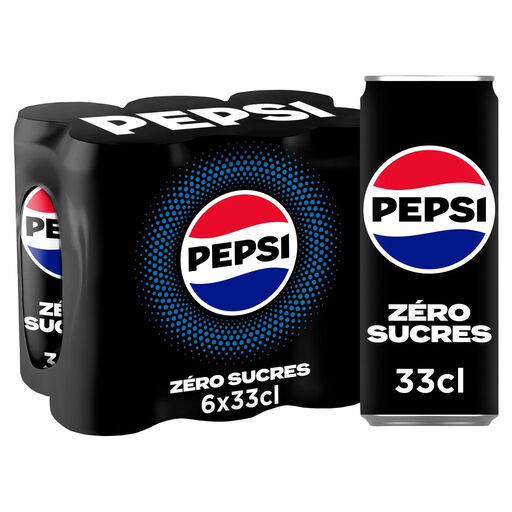
Why this choice suits this profile : With six 33 cl cans, this pack lets you try a zero-sugar fizzy drink without taking up too much cupboard space or building up a large stock.
The product information states 0 g of sugars and approximately 0.3 kcal per 100 ml. It also indicates the presence of aspartame and a source of phenylalanine.
Six 330 ml cans, a sparkling drink and a serving suggestion to enjoy well chilled.
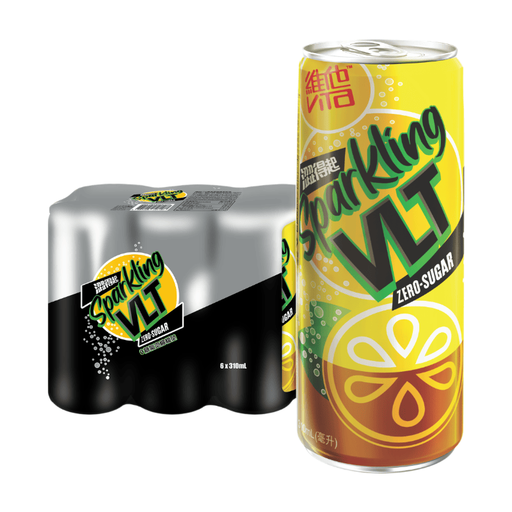
Why this choice suits this profile : Black tea and lemon offer a more distinctive alternative to classic colas, with six cans ready to serve.
The nutritional information states 0 g of sugars and 0 kcal per 100 ml, while also listing aspartame, acesulfame-K and sucralose.
Each can contains 310 ml of sparkling water, lemon juice and black tea. Store away from heat and light.
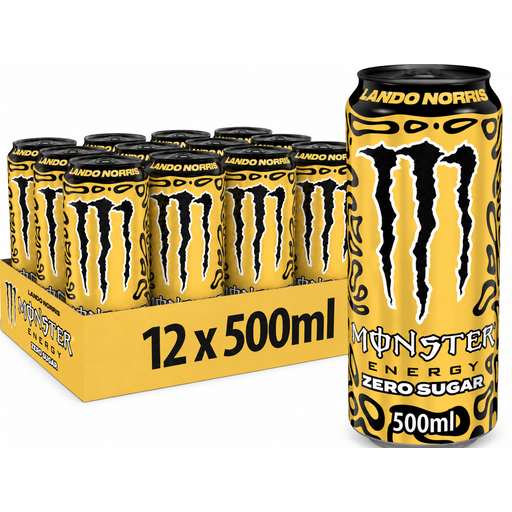
Why this choice suits this profile : The pack of twelve cans suits regular consumers who like to plan ahead, provided they monitor their caffeine intake carefully.
The product information states 0 g of sugars, but also 32 mg of caffeine per 100 ml and warnings for certain groups.
Pack of 12 × 500 ml, 0 g of sugars per 100 ml and peach and nectarine flavour, as stated in the product information.
To add variety, several categories can complement classic drinks:
No. Sugar-free drinks often have a low energy value, but confectionery and snacks may contain fat, starches or calorific polyols. Check the ‘energy’ line per 100 g or 100 ml.
The statement 0 g of sugars does not remove the caffeine or other stimulating ingredients. Check the amount in each can, follow the manufacturer’s warnings and adjust your consumption to your personal circumstances.
Store cans or bottles in a cool, dry place away from light and heat. After opening, refrigerate them if recommended on the label and consume them promptly. For lozenges and chews, close the bag securely to help limit moisture.