Party organisers looking for strictly sugar-free sweets
You want to distinguish sweets labelled ‘sugar-free’ from recipes that are simply reduced in sugar. The claim and the ‘of which sugars’ figure per 100 g are the first things to check.


If you’re looking for sugar-free sweets for a children’s birthday party, start by checking for the ‘sugar-free’ claim and the ‘of which sugars’ figure per 100 g. ‘Reduced sugar’ does not meet the same requirement. Before serving a particular product to the group, also check its texture, ingredients, allergens and any warnings. The ‘sugar-free’ claim alone does not mean it’s suitable for every guest.
You want to distinguish sweets labelled ‘sugar-free’ from recipes that are simply reduced in sugar. The claim and the ‘of which sugars’ figure per 100 g are the first things to check.
Before serving sweets to a group of children, you want to check the sweeteners, allergens and any warnings on the packaging for each product.
You’re looking for a texture and flavour that will suit your guests, without assuming that herbal sweets or boiled sweets are a good substitute for a party selection.
For a children’s birthday party tea, first check that the sweets meet the ‘sugar-free’ requirement, then look at the ingredients and finally decide what format to serve.
| What to check | What to look for | Who it matters to |
|---|---|---|
| ‘Sugar-free’ claim | Look for this claim and check the ‘of which sugars’ figure per 100 g. Under Regulation (EC) No 1924/2006, the ‘sugar-free’ claim requires a maximum of 0.5 g of sugars per 100 g or 100 ml. | If the sweets need to be sugar-free, a simple reduction doesn’t meet my needs. Around 36% of consumers put this requirement first. |
| Ingredients and precautions | Check the ingredients, allergens and any warning relating to polyols on the exact product pack. | When several children are sharing the sweets, I want to check what each child can have before serving them. For around 36% of consumers, this is the main concern. |
| Party format | Check the texture, flavour and quantity stated on the packaging before planning how to serve them. | I’m looking for sweets I can offer to the group without assuming that everyone will like boiled sweets or a herbal flavour. This is the top priority for around 28% of consumers. |
HARIBO describes Croco Baby as containing 30% less sugar, but also states that it contains 35 g of sugars per 100 g. So a stated reduction does not mean that the product is sugar-free.
If ‘sugar-free’ is your criterion, check for that claim on the product you choose, as well as the ‘of which sugars’ figure per 100 g.
Recipes listed by Carrefour, E.Leclerc and Auchan use polyols or steviol glycosides, among other sweeteners. Regulation (EU) 2021/1175 requires a warning about laxative effects in the event of excessive consumption for the relevant foods containing more than 10% authorised polyols.
Read the ingredients and warnings on the pack before deciding which sweets to serve.
The DGCCRF states that displaying Nutri-Score is voluntary in France. Its absence is not enough to judge a sweet to be non-compliant, and its presence does not replace checking the nutritional information.
If it appears on the packaging, use it as additional information. Also check the ingredients, allergens and nutritional values.
Fruit-flavoured boiled sweets, herbal sweets and a toffee containing milk are not all the same when it comes to your guests.
Check the texture, flavour and allergens for the exact product before planning a selection.
Carrefour offers sugar-free fruit-flavoured boiled sweets.
E.Leclerc offers sugar-free herbal boiled sweets.
Auchan offers sugar-free stevia toffees.
Croco Baby is a useful point of comparison if you’re considering reduced-sugar sweets rather than requiring them to be ‘sugar-free’.
These Joybuy products are labelled ‘sugar-free’ and include soft ginger sweets or blackcurrant and herbal sweets. For a group party tea, choose according to the texture and flavour you’re looking for, then check the label on the pack you plan to serve.
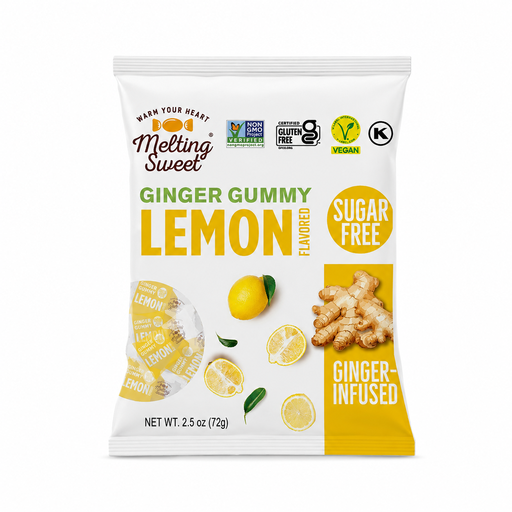 Image unavailable
Worth considering if you’re looking for a soft sweet rather than a boiled sweet. For a group, check that the ginger and lemon flavour will suit your guests, and look for coconut and any warnings on the pack.
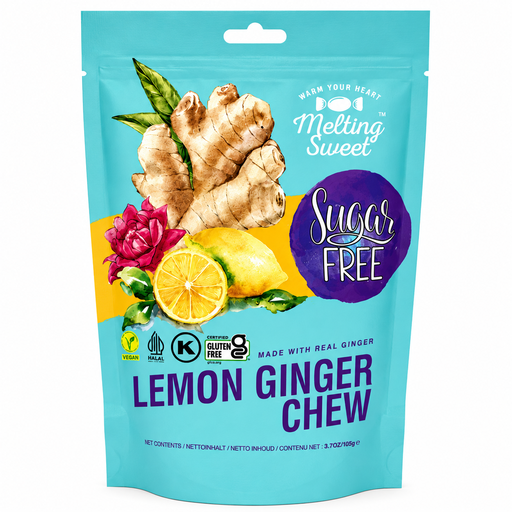 Image unavailable
This option is for anyone looking for a chewy sweet. Before serving it, make sure the flavour will suit the group and check the pack for allergens and warnings about polyols.
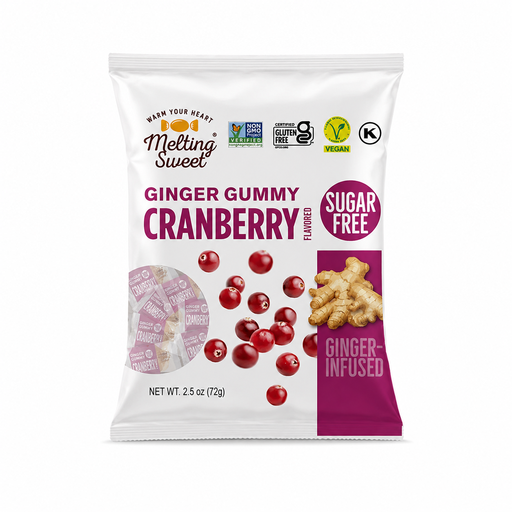 Image unavailable
This soft option may be worth considering if you’re looking for a cranberry and ginger flavour. Check the allergens on the packaging and take account of the excessive consumption warning before offering it to your guests.
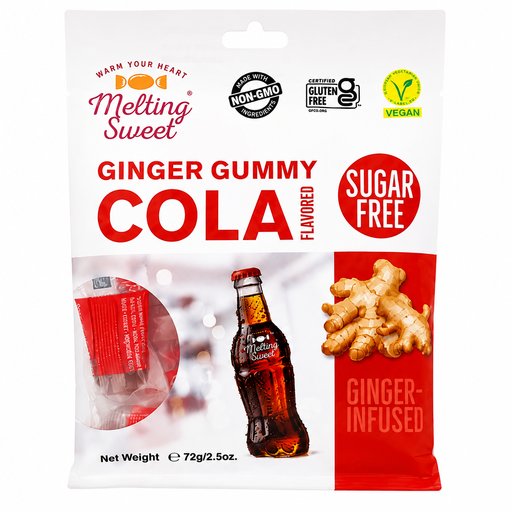 Image unavailable
The cola and ginger flavour adds variety to a selection of soft sweets. If you choose these for the party, check the allergens and warnings about polyols on the exact pack.
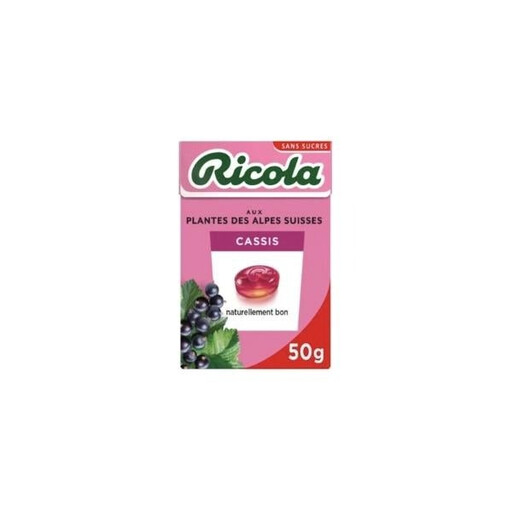 Image unavailable
Only consider these if hard blackcurrant and herbal sweets are the format you’re looking for. Check the children’s ages, ingredients and warnings on the pack before planning to serve them.
Under Regulation (EC) No 1924/2006, this claim requires a maximum of 0.5 g of sugars per 100 g or 100 ml. Check the claim and the ‘of which sugars’ figure rather than relying on a promise to reduce sugar.
No. The DGCCRF states that Nutri-Score is voluntary in France. Its absence does not replace checking the ingredients and nutritional information on the packaging.
No. Sugar-free sweets may contain polyols or other sweeteners, and some include allergens such as milk. Read the ingredients list and warnings for the product you plan to serve.
Regulation (EU) 2021/1175 requires this warning on the relevant foods containing more than 10% authorised polyols. Check the warning on the exact pack before offering these sweets to a group of children.
Check the ingredients, allergens, warnings, texture and flavour on every pack. If a child has a specific dietary restriction, ask their parent or carer for guidance rather than assuming the sweets are suitable based on the ‘sugar-free’ claim alone.