
Same-day & Next-day Delivery

Quality Guaranteed

Unlock Your Welcome Offers: FREE Delivery | Up to 80% OFF | Free 30-day JoyPlus trial
Download the APP
Faced with an endless aisle of drinks, making an informed choice can feel like an uphill battle. Between "zero sugar" promises, exotic flavours, and family-size formats, it's easy to get lost. As product experts at Joybuy, our mission is to bring you clarity and give you the keys to distinguishing genuine finds from marketing illusions.
Navigating the jungle of sugar-free drinks and original sodas requires a discerning eye. Who hasn't been disappointed by a purchase driven by a tempting label? Here are the two most common pitfalls to avoid:
To make the right choice every time, focus on a few simple criteria before filling your basket.
To find the perfect refreshing drink that truly meets your expectations in terms of taste, ingredients, or budget, three points deserve your attention.
Your first instinct should be to turn over the bottle or can. The "no added sugar" claim does not mean "sugar-free". A fruit nectar, for example, will always contain the sugars naturally present in the fruit.
For "zero" drinks, the absence of sugar is compensated for by sweeteners. The most common are:
Also, remember to check the energy value (in kJ/kcal) to ensure the drink is genuinely a low-calorie drink.
For fans of original sodas or fruit drinks, the quality of the flavours is paramount. The ingredient list will give you the precise details:
A good iced tea or a quality exotic drink will often list "juice from concentrate" or "fruit purée" high up on the list.
Drinks come in a multitude of formats: individual cans, glass bottles, 1.5L PET bottles, or soda packs. While multipacks may seem economical, it's always smart to calculate the price per litre to objectively compare offers. A 24-can pack can be an excellent option for stocking up on your favourite drinks, provided the unit cost is genuinely advantageous.
To put theory into practice, we've selected a few products that perfectly illustrate this advice and avoid the most common traps.
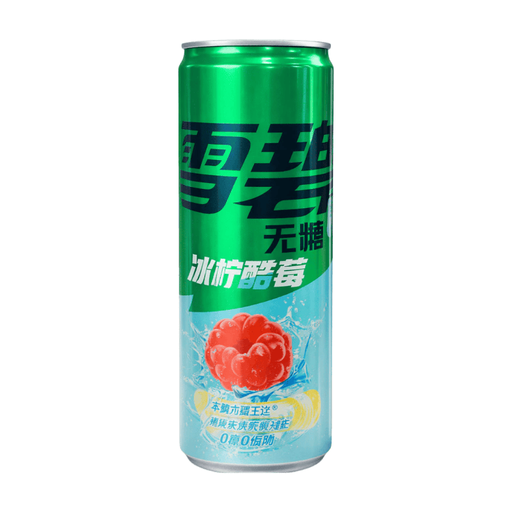
Why we chose it: Perfect for those looking to get off the beaten path. This imported version offers a bold flavour combination that's hard to find locally, ideal for surprising your own taste buds or those of your guests.
It delivers on its promise: it's a "Zero Sugar" drink (0g of sugar and 0 kcal). The originality doesn't come from vague marketing, but from a genuine combination of flavours (raspberry and lemon) in a unique version.
A unique, frosty fruit flavour with no sugar or calories, offering a true original soda experience.
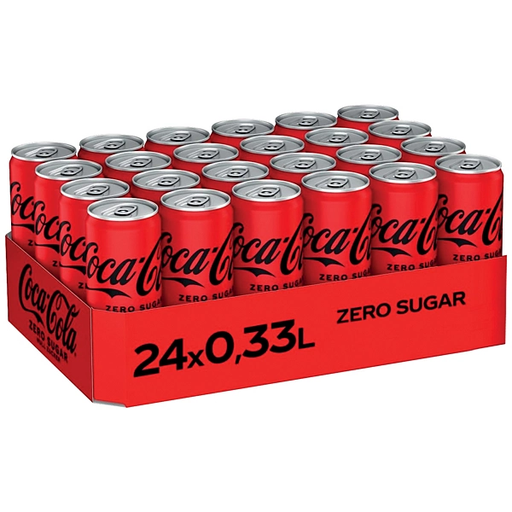
Why we chose it: For those who love the iconic taste of Coca-Cola but are watching their sugar intake. This soda pack format is ideal for regular use and for making sure you never run out.
No unpleasant surprises. This is a market classic with a reliable and well-known formula: the taste of Coca-Cola, with no sugar and no calories. The pack format helps you manage your budget in the long run.
The familiar and beloved taste of Coca-Cola Zero, in an economical and practical format for stocking up.
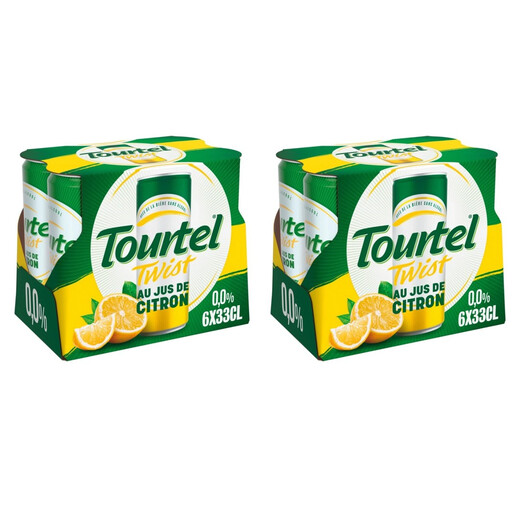
Why we chose it: An excellent alternative for social gatherings. This flavoured alcohol-free beer is suitable for all guests, including those who don't drink alcohol or are health-conscious. It brings a touch of freshness and originality.
The label is transparent: 0.0% alcohol and a "no added sugars" claim. The ingredient list confirms the presence of lemon juice from concentrate and the use of sucralose. It's a very low-calorie drink (9 kcal/100 ml).
Combines the freshness of a lemon drink with the character of a beer, all with no alcohol, no added sugars, and minimal calories.
Discover our full selection of products that meet our criteria for quality and transparency.
These terms have very distinct meanings.
No, there are several families of sweeteners authorised in Europe, each with a different taste profile and sweetening power. The most common ones in sodas are aspartame, acesulfame K, and sucralose. Others, like stevia (from a plant source), are also becoming increasingly popular. Ultimately, the choice will mainly depend on your personal taste.
The best indicator is always the ingredient list. Look for the presence of "fruit purée" or "fruit juice from concentrate" high up on the list (usually among the first few ingredients). If the list only mentions "flavourings" and sugar (or sweeteners), the drink is highly unlikely to deliver on its promise of a flavour journey.