Shoppers who value organic certification
You’re looking first for a sweet with a recognisable organic certification, then comparing its sugar content separately.


When shopping for organic sweets, first decide which criterion you’re not prepared to compromise on: a recognisable organic certification, a ‘sugar-free’ claim, or both on the same packet. An organic sweet isn’t necessarily sugar-free; conversely, a sugar-free recipe may contain polyols and may not be certified organic. Check each claim separately, then read the ingredients and nutritional information for the specific product.
You’re looking first for a sweet with a recognisable organic certification, then comparing its sugar content separately.
You prioritise a ‘sugar-free’ claim on boiled sweets or lozenges, while checking which sweeteners they contain.
You want to distinguish between sugars, carbohydrates and polyols, and read any consumption warnings before choosing a packet.
Start by checking the claim that matters most to you, then verify the other criterion too. Organic certification alone doesn’t tell you how much sugar a product contains.
| Criterion | What to check | Who it matters to |
|---|---|---|
| Organic certification | Look for organic certification on the packet, then check the ‘of which sugars’ figure per 100 g. | If organic certification is essential to my purchase, I want to be able to identify it on the sweet I choose, without assuming it is also sugar-free. Around 40% of shoppers prioritise this certification. |
| ‘Sugar-free’ claim | Check the exact wording of the claim and the ‘of which sugars’ figure; ‘no added sugars’ is a separate claim. | If I’m choosing a sugar-free lozenge, I need to distinguish this claim from simply having no added sugars. This is the top priority for around 40% of shoppers. |
| Polyols and warnings | Read the carbohydrates and polyols figures per 100 g, along with any warning about excessive consumption. | When I’m considering sweets sweetened with alternatives to sugar, I want to know what they contain and what precautions are shown on the packet. Around 20% of shoppers prioritise checking ingredients and warnings. |
Organic certification relates to how a product is produced, not to whether the sweet contains sugar.
If you want both, look for the certification and the nutritional claim on the same product, then read its nutrition table.
Auchan’s product listing for its sugar-free herbal sweets shows 97 g of carbohydrates, including 96 g of polyols, per 100 g.
Compare the nutritional values per 100 g and also take into account how much you plan to eat.
E.Leclerc’s listing for Confiseo sweets warns that excessive consumption may have a laxative effect.
Read the warning on the packet before choosing confectionery containing polyols.
The DGCCRF states that displaying a Nutri-Score is voluntary in France. Nutritional information, however, is compulsory for most prepacked foods.
Use the Nutri-Score as additional information when it appears, but don’t let it replace checking the ingredients and nutritional values.
The retailer offers, among other products, 150 g bags of sugar-free mint boiled sweets.
The retailer offers 150 g bags of sugar-free herbal sweets sweetened with stevia.
This Marque Repère own-brand product sold at E.Leclerc is a 150 g bag of sugar-free herbal boiled sweets.
Pural sweets are among the products featured in La Fourche’s organic range.
BioActif describes a range of sweets as organic and ‘with no added sugars’.
This selection features lozenges described as sugar-free. If you also require organic certification, check for it on the packet before you buy.
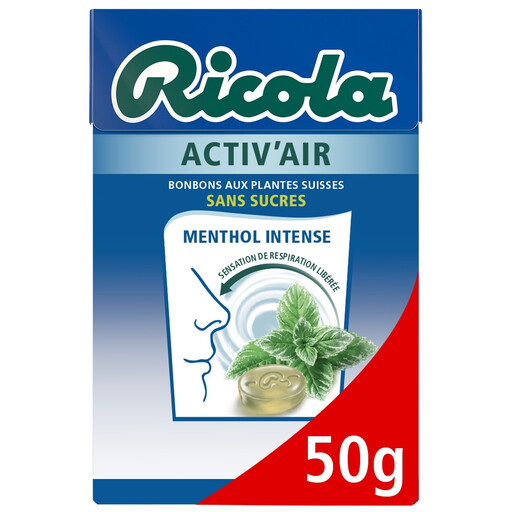 Image unavailable
These herbal lozenges are a good option if you’re looking for confectionery described as sugar-free. The bag contains 50 g; if organic is your top priority, check the certification on the packaging.
The product listing notes that they contain polyols and warns that excessive consumption may have a laxative effect.
No. According to the DGCCRF, Nutri-Score is voluntary in France, while nutritional information is compulsory for most prepacked foods. You can still compare nutritional information even when no Nutri-Score is displayed.
No, these claims are not interchangeable. Read the exact wording on the packet and check the ‘of which sugars’ figure per 100 g; BioActif, for example, describes its range as ‘with no added sugars’.
No. Auchan’s product listing for its sugar-free herbal sweets shows 97 g of carbohydrates, including 96 g of polyols, per 100 g. Check the different entries in the nutrition table rather than relying on the claim on the front of the packet alone.
Because some products warn of possible effects if consumed in excess. This is the case with the Confiseo sweets sold by E.Leclerc; read the warning on the packet you choose.
Look for a recognisable organic certification on the product. The French Ministry of Agriculture points out that organic farming is governed by European regulations; a product being described as ‘natural’ is no substitute for checking its certification. If you also want sugar-free sweets, check for that claim separately.