First, check your school’s rules. If sweets or chewing gum are banned, don’t put them in the lunchbox. If they’re allowed, a mint or boiled sweet gives you a non-chewy option, while chewing gum may suit an occasional craving after lunch. In either case, check the exact product’s ingredients and warnings.
Who is this choice for?
Families dealing with restrictive school rules
Before choosing a sweet for the lunchbox, they need to know what the school allows. The rules at Collège Édouard Herriot in Livry-Gargan, for example, ban sweets and chewing gum on the premises. This rule applies to that school.
Families looking for sugar-free mints
For an occasional treat after lunch, they can compare products labelled “sugar-free”, checking the ingredients and how much to take along. The product information from Mentos France and Auchan shows that these recipes may contain polyols or other sweeteners.
Pupils who would rather not chew
A mint or boiled sweet may suit them if sweets are allowed. The form of the product doesn’t mean you can skip checking its ingredients or your school’s rules.
What should you check before buying?
Start with your school’s rules, then choose between a sweet to suck or chewing gum based on when it will be used and the ingredients you’re looking for.
Sugar-free mints or boiled sweets
Worth considering: for a mint without chewing, if sweets are allowed.
Bear in mind: some recipes contain polyols and carry a warning about excessive consumption, such as the Confiseo sweets described by E.Leclerc.
Sugar-free chewing gum
Worth considering: for occasional use after lunch, but only where chewing is allowed.
Bear in mind: school rules may ban chewing gum, even if it’s labelled “sugar-free”.
Leave it out of the lunchbox
Choose this: if your school bans sweets or the pupil doesn’t need one after a meal.
The downside: this option won’t satisfy an occasional craving for mint.
| What matters | What to check | Who is this for? |
|---|
| School rules |
Check the school’s rules on sweets, mints and chewing gum, as well as guidance on when they can be consumed. |
I don’t want to put something in my child’s bag that they’ll have to leave unused at school. Around 31% of consumers put permission to bring it in at the top of their list. |
| Mint after a meal |
Check that the specific product is labelled “sugar-free”, and distinguish between a sweet, a mint and chewing gum. |
If I’m looking for a mint after lunch, I want a sugar-free option rather than a regular mint. This is the priority for around 31% of consumers. |
| Ingredients |
Read the ingredients list, any stated traces and warnings about excessive consumption. |
If certain ingredients matter to our food choices, I need to be able to check the exact recipe before buying. This is the main concern for around 23% of consumers. |
| Portable format |
Compare the pack weight and stated number of pieces, then decide how many to put in the bag. |
I’d rather take a pre-decided amount than a whole large bag. For around 15% of consumers, the format and ability to control the amount come before other considerations. |
Mistakes to avoid
-
Assuming “sugar-free” means “nothing to check in the ingredients”
Some of the sugar-free sweets described by Auchan contain sweeteners. E.Leclerc’s product information for its Confiseo mint sweets includes a warning about the possible laxative effects of excessive consumption.
Read the ingredients list and warnings for the product you choose. Decide how much to take along rather than putting the whole bag in the lunchbox.
-
Choosing chewing gum without checking the school rules
A sugar-free recipe isn’t automatically allowed at school. The rules at Collège Édouard Herriot in Livry-Gargan ban sweets and chewing gum on the premises.
Check your school’s rules before buying, and if these products aren’t allowed, don’t put sweets in the lunchbox.
-
Going by the mint flavour instead of checking the exact product
According to product information from Mentos France, White Menthe Verte chewing gum contains 0 g of sugars per 100 g, compared with 69 g per 100 g for classic Mentos Menthe sweets. These figures refer to two different products.
Compare the product name and nutritional information for the exact item. Don’t assume its sugar content based on the brand or flavour.
-
Using mints as a substitute for brushing
A mint or chewing gum doesn’t replace brushing your teeth. Assurance Maladie distinguishes between occasionally chewing sugar-free gum after a meal and your regular oral hygiene routine.
Keep your choice of mint separate from your toothbrushing habits.
Brands to compare
Mentos
The range includes mint sweets and chewing gum marketed as sugar-free, so the brand name alone won’t tell you which recipe you’re getting.
- Mentos France states that White Menthe Verte chewing gum contains 0 g of sugars per 100 g.
- The same brand states that its classic Mentos Menthe sweets contain 69 g of sugars per 100 g. Check which product you’re buying.
Hollywood
Carrefour describes its Double Fraîcheur menthe verte product as chewing gum marketed as sugar-free.
- Its chewing gum format sets it apart from sweets and mints to suck.
- Its ingredients include sweeteners, gelatine and lecithins. Check the recipe and whether chewing is allowed at school.
Auchan
Auchan sells its own brand of sugar-free mint sweets in a 150 g bag.
- The product information lists the sweeteners used, including maltitols and steviol glycosides.
- For an occasional treat at school, decide how much to take along rather than taking the whole bag.
Carrefour
Carrefour sells its own brand of sugar-free mint sweets and also stocks mints from other brands.
- The product information for Carrefour sweets states that the pack contains 150 g.
- Ingredients vary between products. Information for a Mentos sweet sold by Carrefour, for example, mentions possible traces of milk and soya.
Confiseo
E.Leclerc sells Confiseo sugar-free mint sweets in a 150 g bag.
- The product information confirms that this product contains maltitols.
- It carries a warning about the possible laxative effects of excessive consumption.
Mints and chewing gum selected on Joybuy
This mint selection includes sweets to suck and chewing gum. For a lunchbox, check your school’s rules and make sure the specific product you’re considering is labelled “sugar-free”.
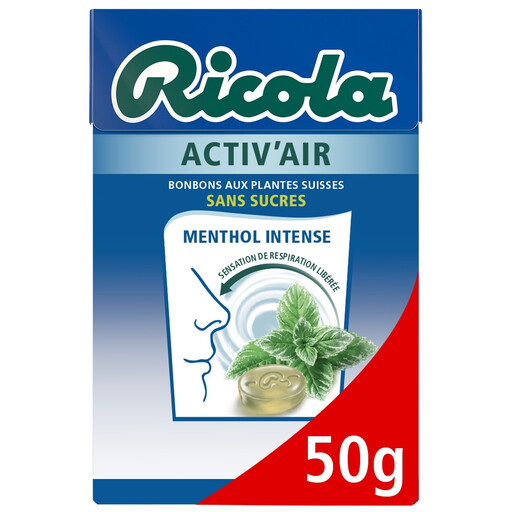 Image unavailable
Ricola Activit'Air Intense Menthol sugar-free sweets, 50 g
A mint sweet for anyone who’d rather not chew gum. The title states that the pack contains 50 g. Check the ingredients, warnings and whether your school allows sweets before taking them in.
View on Joybuy
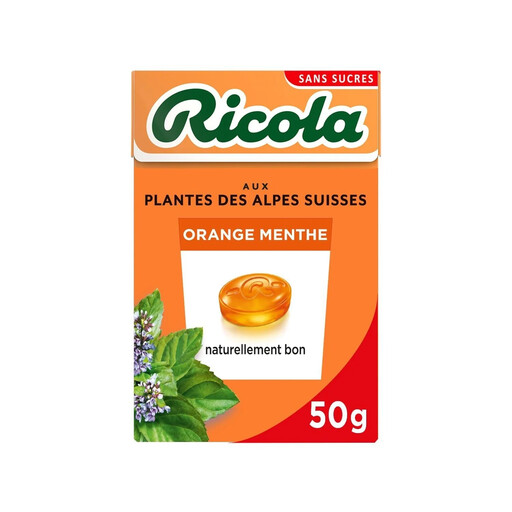 Image unavailable
Ricola Orange Mint sugar-free drops, 50 g
An orange and mint-flavoured option to suck, if sweets are allowed. The stated pack size is 50 g. Read the packaging for ingredients and any warnings before deciding how much to take along.
View on Joybuy
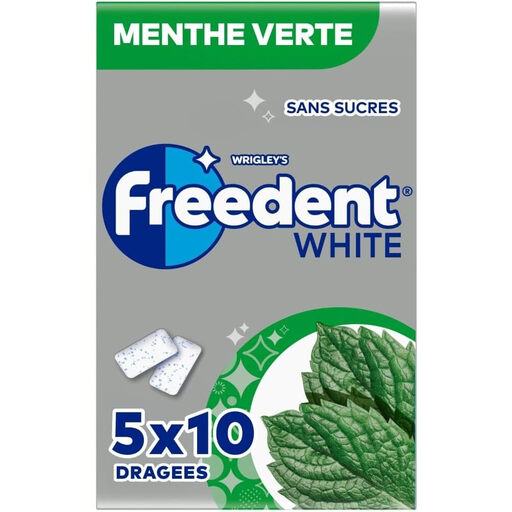 Image unavailable
FREEDENT Whitening Mint chewing gum, 5 Pieces
Consider this only if your school allows chewing gum at the relevant time. The title identifies the “5 Pieces” variant. Check the piece count, sugar-free labelling and ingredients on the packaging; don’t assume anything from the word Whitening.
View on Joybuy
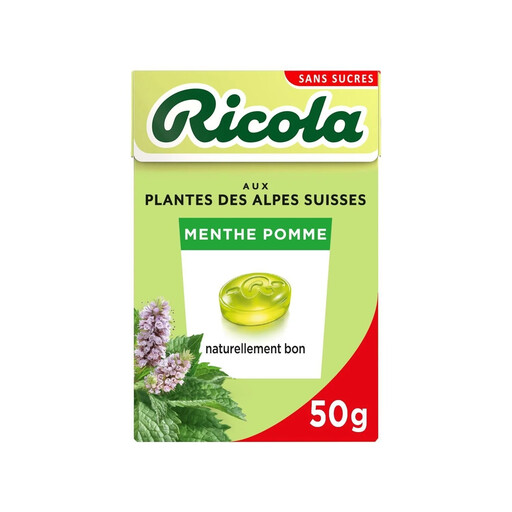 Image unavailable
Ricola Apple Mint sugar-free drops, 50 g
Another apple and mint-flavoured sweet to suck, as an alternative to chewing gum where sweets are allowed. The stated pack size is 50 g. Check the ingredients list and warnings for the product you choose.
View on Joybuy
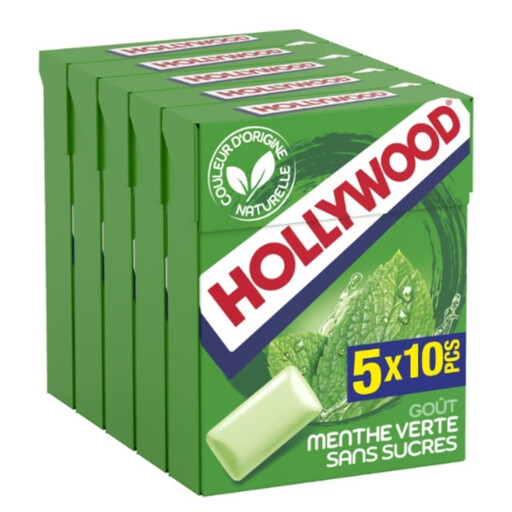 Image unavailable
HOLLYWOOD Mint chewing gum, 5 × 14 g
The five 14 g packs let you choose how much to take, if chewing is allowed at school. For this product, check the packaging for sugar-free labelling, ingredients and warnings.
View on Joybuy
Frequently asked questions
Can you put sugar-free mints in any secondary school lunchbox?
Check the school’s rules before packing them. Collège Édouard Herriot in Livry-Gargan, for example, bans sweets and chewing gum. Its rules don’t tell us what other schools allow.
Does “sugar-free” mean “sweetener-free”?
No. According to the products described by Auchan and Carrefour, some sweets and chewing gums with this label contain polyols or other sweeteners. Check the ingredients list for the exact product.
Does sugar-free chewing gum replace brushing your teeth?
No. Assurance Maladie refers to occasionally chewing sugar-free gum after a meal, while still including brushing as part of your regular oral hygiene routine.
Why do some sugar-free sweets carry a warning about excessive consumption?
Polyols can have a laxative effect if consumed in excessive amounts. E.Leclerc displays this warning for its sugar-free Confiseo mint sweets, so check the warning on the product you’re considering.
What format should you choose for an occasional treat at school?
Choose a pack that makes it easy to take out the amount you want. A small tin may fit in a school bag, while a 150 g bag, such as Auchan’s sugar-free mint sweets, lets you keep the rest at home.


