Pupils and students after breakfast
If you’re looking for a sugar-free product to use after breakfast before lessons, chewing gum is an option if you can chew. It doesn’t replace brushing or cleaning between your teeth, as the UFSBD points out.


For going back to school, choose a format to suit when you’ll use your mints: sugar-free chewing gum after eating if you can chew, lozenges if you’d rather not chew, or a larger pack to keep at home. Whichever you choose, check the ingredients, polyols, warnings and nutritional information: ‘sugar-free’ doesn’t mean ‘sweetener-free’ or ‘energy-free’.
If you’re looking for a sugar-free product to use after breakfast before lessons, chewing gum is an option if you can chew. It doesn’t replace brushing or cleaning between your teeth, as the UFSBD points out.
A lozenge is a handy option if you want something small to carry around and don’t want to chew. Before choosing one, check its sweeteners and any warnings specific to that product.
A pack to keep at home may be a good choice if several people use mints. Compare the net weight, ingredients and nutritional information rather than judging by pack size alone.
First decide whether you’ll be able to chew after eating or would prefer a lozenge. Then choose between a format to take with you and a pack to keep at home, and compare the labels.
| What to consider | What to check | Who is it for? |
|---|---|---|
| After a meal | Check that it’s chewing gum labelled ‘sugar-free’ and read the usage instructions. | After breakfast, I’m looking for something I can chew before lessons; around 43% of consumers prioritise this use after eating. |
| Lozenges to take with you | Compare the shape, net weight and list of sweeteners. | Between lessons or while travelling, I prefer a mint that slips into my pocket and doesn’t need chewing; this is the top priority for around 29% of consumers. |
| Pack for home | Compare the pack weight, nutritional values per 100 g and allergen information. | When planning for the week, I want to keep a larger pack at home and know what’s in it; around 28% of consumers prioritise this. |
Under EU rules on nutrition claims, a product can be labelled ‘sugar-free’ if it contains no more than 0.5 g of sugars per 100 g or 100 ml. This claim alone doesn’t tell you the product’s energy content.
Check sugars, energy and polyols separately in the nutritional information, and bear in mind the portion you’re planning to consume.
Carrefour’s product listing for Hollywood Mini Mints mentions sorbitol and aspartame, as well as a warning about excessive consumption and the presence of a source of phenylalanine. These details depend on the recipe you choose.
Check the ingredients list and warnings on the packaging of each product, especially if a particular substance is relevant to you.
The UFSBD describes sugar-free chewing gum as a possible addition after a meal, not a replacement for brushing or cleaning between your teeth.
Choose it for times when you can chew after eating, but keep up your usual dental hygiene routine.
A product listing may still be viewable even when that product isn’t available from your chosen shop or collection option.
Check availability and the pack details shown when you’re getting your back-to-school order ready.
The range includes mint chewing gum, including Pure Fresh Fresh Mint, for times when you’re able to chew.
Mini Mints are sugar-free mint lozenges for people who prefer not to chew.
The 150 g pack of sugar-free mint sweets is a handy option to keep at home.
Auchan offers a 150 g bag of sugar-free mint sweets.
The sugar-free Menthe Fraîche product combines mint with a blend of herbs, for anyone looking for this flavour profile in a lozenge.
These products let you compare chewing gum with lozenges to take with you, including two Ricola products with different flavour profiles. Check the ingredients and packaging details for each one before choosing.
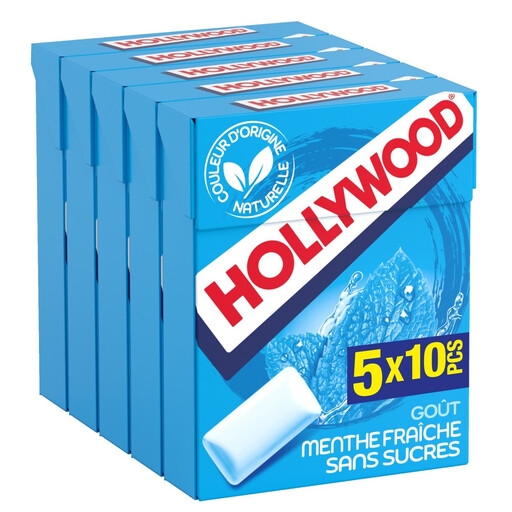 Image unavailable
Worth considering after breakfast if you can chew. The pack contains five units; check the ‘sugar-free’ claim, ingredients and warnings for this product.
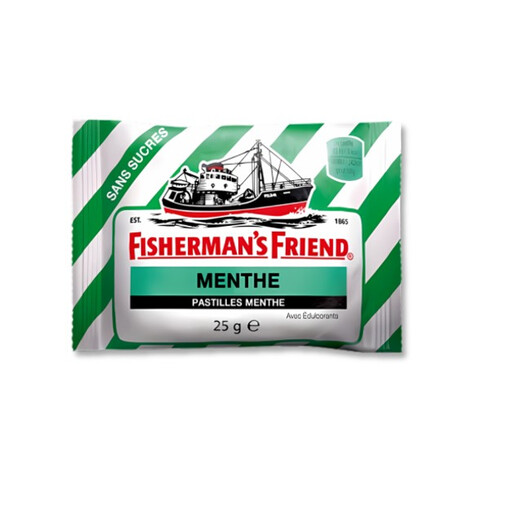 Image unavailable
A 25 g pack of lozenges to consider if you’d rather not chew. Check the ‘sugar-free’ claim, sweeteners and usage advice on the packaging.
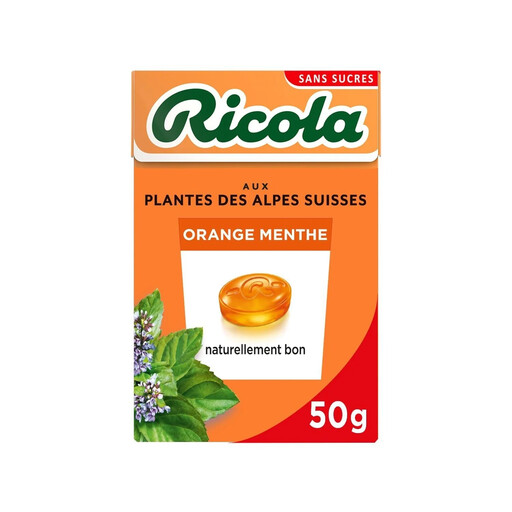 Image unavailable
Worth considering if you’d prefer an orange and mint lozenge to chewing gum. According to its Joybuy listing, this 50 g product contains isomalt; check the other ingredients and nutritional information too.
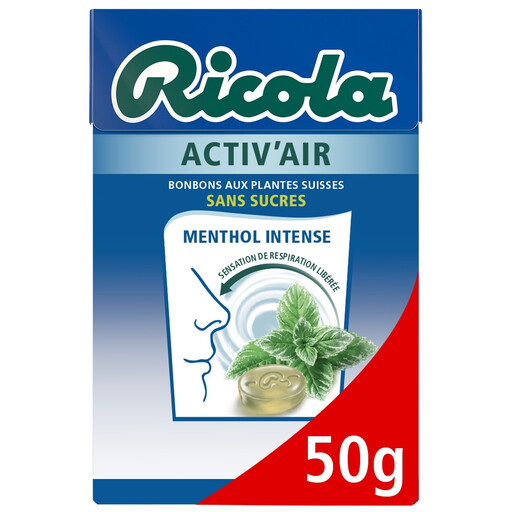 Image unavailable
Worth considering if you’d prefer a menthol lozenge to chewing gum. This 50 g product is labelled ‘sugar-free’; check the sweeteners and usage advice on the packaging.
Under EU rules on nutrition claims, this label means the product contains no more than 0.5 g of sugars per 100 g or 100 ml. It doesn’t mean the product is free from sweeteners, polyols or energy: check the ingredients and nutritional information too.
No. The UFSBD mentions chewing sugar-free gum for 20 minutes after a meal, but makes clear that it doesn’t replace brushing or cleaning between your teeth.
Some lozenges contain polyols, which may have a laxative effect if consumed in excess. Check the warnings and usage advice for the recipe you choose rather than assuming all sugar-free mints have the same ingredients.
Check availability for your selected shop or collection option just before placing your order. A product listing may be viewable even when that product isn’t offered through the shopping journey you’re using.