Anyone who wants something to chew after snacks
If you’re happy to chew after eating, look for sugar-free mint chewing gum. It’s still a confectionery product, not a substitute for brushing your teeth.


For match night, choose sugar-free chewing gum if you’d like something to chew after snacks; a lozenge or hard sweet is a good option if you’d prefer an occasional treat without chewing. The ‘sugar-free’ label doesn’t mean you can skip checking the polyols, ingredients and warnings for the specific product, especially if you’re leaving it out for guests to help themselves.
If you’re happy to chew after eating, look for sugar-free mint chewing gum. It’s still a confectionery product, not a substitute for brushing your teeth.
A bag of hard sweets can be placed on the table instead of handing out individual packs. Keep the packaging handy so everyone can check the ingredients and warnings.
If you need to avoid a particular ingredient, check the exact product and format you’re buying. Sweeteners and statements about phenylalanine or allergens vary from one product to another.
First decide whether you want something to chew, then compare the nutritional information and ingredients before choosing how much to share.
| Criteria | What to check | Who it matters to |
|---|---|---|
| Occasion and type of confectionery | Tell chewing gum, lozenges and hard sweets apart; check the product description. | After snacks, I might fancy something to chew, while during the match I might prefer a mint that doesn’t need chewing. Around 33% of consumers prioritise choosing the right format for the occasion. |
| Nutritional values | Compare sugars, polyols and energy on the same basis, particularly per 100 g. | The ‘sugar-free’ label isn’t enough if I want to understand what the confectionery on offer contains. For around 25% of consumers, nutritional values are their main concern. |
| Ingredients and warnings | Read the sweetener list and product-specific statements, including any warnings about excessive consumption. | If a guest needs to avoid a particular ingredient, I need to be able to check the packaging before offering them a mint; around 25% of consumers put this check first. |
| Amount to share | Check the net weight or number of pieces, as well as the type of packaging. | When I’m hosting several people, I want an amount that suits the evening without necessarily leaving the whole pack on the table. Sharing is the priority for around 17% of consumers. |
This label doesn’t tell you everything about the polyols or the nutritional values. For example, Mentos France lists 0 g of sugars and 66 g of polyols per 100 g for Mentos White menthe douce.
Compare the ‘sugars’, ‘polyols’ and ‘energy’ figures, then check the ingredients list of the product you’re planning to buy.
Guests then can’t easily check the ingredients. E.Leclerc’s product information for Confiseo sweets also warns that excessive consumption may have laxative effects.
Put some sweets in a bowl and leave the bag nearby so guests can check its ingredients and warnings.
Chewing gum, lozenges and hard sweets may use different sweeteners. Some products carry a statement about phenylalanine or mention possible traces of allergens.
Check each product and format, particularly if someone needs to avoid a specific ingredient.
The White range includes sugar-free mint chewing gum for anyone who wants something to chew after snacks.
The brand offers sugar-free mint chewing gum, including multi-packs.
The product reviewed is a 150 g bag of sugar-free mint sweets, worth considering for a table where guests would rather not chew.
The sugar-free mint hard sweets reviewed come in a 150 g bag.
These products offer a few different ways to enjoy mint confectionery during the evening: chewing gum, lozenges that don’t need chewing, and a soft ginger and peppermint sweet. Choose the texture and format you prefer, then check the ingredients for the product you select.
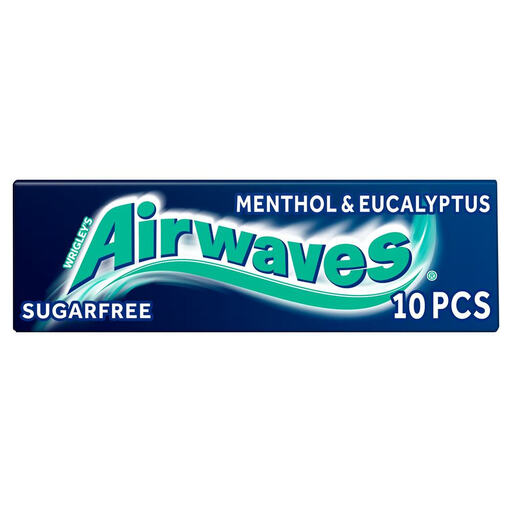 Image unavailable
For anyone who prefers chewing a mint and eucalyptus flavour during the evening. Check the ingredients and warnings on the packaging before offering it to other guests.
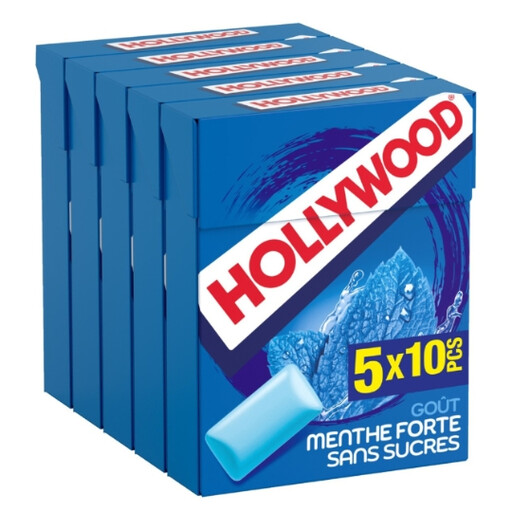 Image unavailable
For anyone who wants something to chew after snacks and to share several packs. Joybuy’s product information for this sugar-free multi-pack flags a source of phenylalanine and warns that excessive consumption may have laxative effects.
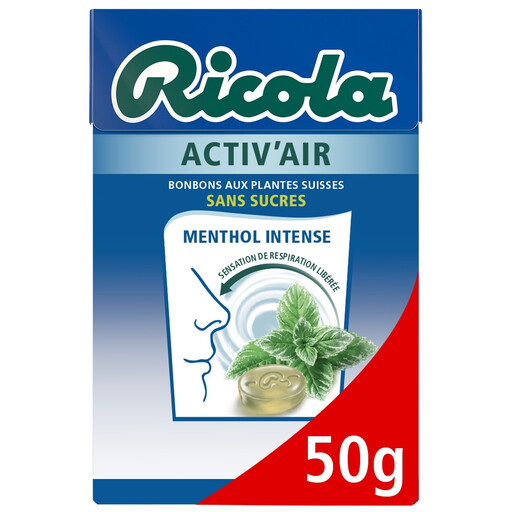 Image unavailable
A bag of lozenges for anyone who’d prefer a menthol confectionery without chewing gum. The stated pack size is 50 g; check the ingredients and warnings before leaving it out for guests.
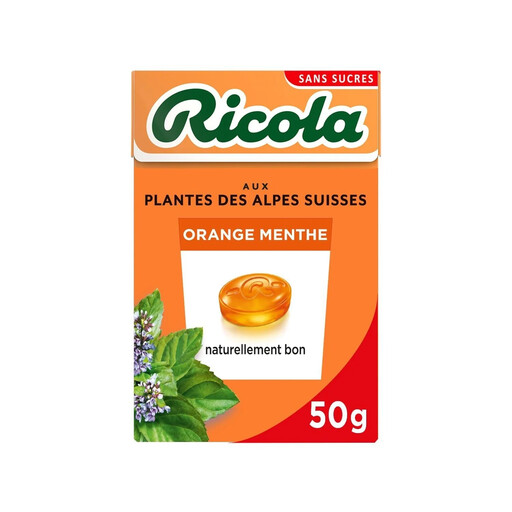 Image unavailable
For an occasional treat without chewing gum, with a flavour that combines orange and mint. This product comes in a 50 g format; check the packaging information if you plan to share it.
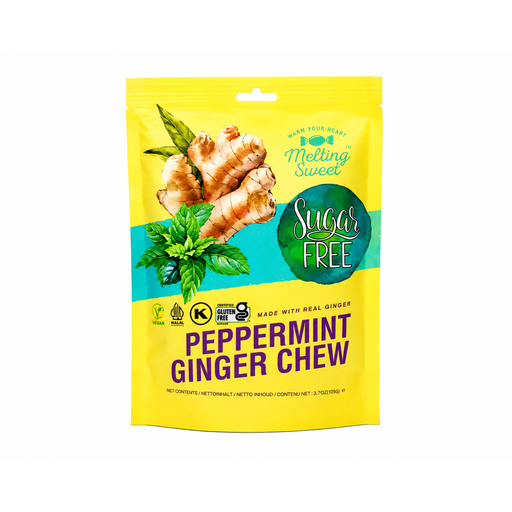 Image unavailable
For anyone who’d rather chew a soft sweet than chewing gum. Ginger is part of the stated flavour, along with peppermint, so this isn’t a classic mint lozenge.
No. Sugar-free confectionery can contain polyols and provide energy. Check the nutritional information per 100 g rather than relying on the claim on the front of the pack.
Some confectionery containing polyols carries a warning that excessive consumption may have laxative effects. This applies, for example, to the Confiseo product listed by E.Leclerc; read the warning on the product you choose.
Read the ingredients list and any statements for the specific product. For example, Auchan says that its product information for a 150-piece pack of Frisk lozenges lists aspartame as a source of phenylalanine.
No. The French Union for Oral Health states that sugar-free chewing gum is no substitute for brushing your teeth or cleaning between them. Choose it if you enjoy chewing, but stick to your usual oral hygiene routine.