A mum who prefers mints to suck
A boiled sweet or lozenge means you won’t end up giving her chewing gum she doesn’t want to chew. Look for the ‘sugar-free’ label on the product you choose, then check the ingredients and any warnings.


For a small Mother’s Day gift, start by choosing a format she likes: a mint to suck, a mini lozenge or chewing gum if she enjoys chewing. Then check that the specific product is labelled ‘sugar-free’, read the ingredients and look out for any warnings about polyols. This label does not mean the confectionery promises any health benefits.
For Mother’s Day, whether she prefers a sweet to suck or chewing gum matters more than choosing a flavour without knowing her habits.
A boiled sweet or lozenge means you won’t end up giving her chewing gum she doesn’t want to chew. Look for the ‘sugar-free’ label on the product you choose, then check the ingredients and any warnings.
A format you chew is a better match for her usual routine. Mentos and Hollywood offer sugar-free mint products, but check the flavour and recipe of each individual product.
If she avoids certain sweeteners or takes warnings about polyols into account, the ingredients list deserves just as much attention as the ‘sugar-free’ label.
Start with her preferred format, then check that the specific product is labelled ‘sugar-free’ and read its ingredients. Even two mint products from the same brand can have different recipes.
| Criteria | What to check | Who is it for? |
|---|---|---|
| Format | A boiled sweet or lozenge, a mini lozenge or chewing gum; check the flavour and packaging too. | If my mum prefers to let a mint dissolve, I don’t want to give her something she has to chew; around 40% of consumers prioritise a format that suits her habits. |
| ‘Sugar-free’ label | Look for the label and check the ‘sugars’ line in the nutritional information for the specific product. Under European Regulation (EC) No 1924/2006, published by EUR-Lex, the claim means no more than 0.5 g of sugars per 100 g or 100 ml. | I’m looking first and foremost for confectionery that genuinely carries the ‘sugar-free’ label, rather than relying on the mint flavour alone; around 30% of consumers check this first. |
| Ingredients and warnings | Read the list of sweeteners and, where applicable, look for a warning about the laxative effects of excessive consumption of polyols. | If the recipient watches out for certain sweeteners, I want to know what’s in the recipe before giving her the box; around 30% of consumers prioritise ingredients and warnings. |
A brand may offer products with different recipes. Mentos France states that its classic Mentos Menthe sweets contain 69 g of sugars per 100 g, while some Mentos White products are sugar-free chewing gums.
Check the ‘sugar-free’ label and nutritional information for the specific variety you plan to give.
The label refers to sugar content, not all the ingredients. Depending on the product, Auchan and Frisk listings show recipes containing maltitols or other sweeteners.
Compare the ingredients lists if the recipient avoids a particular substance, and don’t present confectionery as a health-boosting choice.
The E.Leclerc listing for Confiseo sweets carries a warning that excessive consumption may have a laxative effect. This is particularly important if the recipient plans to eat them often.
Read the label on the product you choose and take this warning into account before selecting a format to share or carry around.
Someone who enjoys lozenges may not necessarily like a mint they have to chew, even if they like the flavour.
Choose between a lozenge, a boiled sweet and chewing gum first, then compare flavours and recipes in that format.
These product examples make it easier to compare formats and recipes; a brand name is no substitute for checking the specific product.
Mentos France offers sugar-free mint-flavoured White chewing gum, which is different from its classic Mentos Menthe sweets.
Carrefour and Auchan listings show, respectively, sugar-free strong fresh mint chewing gum in a box of 40 pieces and 12.5 g of sugar-free strong mint mini lozenges.
The Carrefour listing features its own-brand sugar-free mint sweets in a 150 g bag.
The listing for Auchan sugar-free mint sweets includes maltitols and steviol glycosides.
E.Leclerc offers Confiseo sugar-free mint boiled sweets in a 150 g bag.
This selection includes lozenges and chewing gum in minty flavours. For a gift, first choose according to the recipient’s habits, then check the ‘sugar-free’ label, recipe and any warnings on the product you choose.
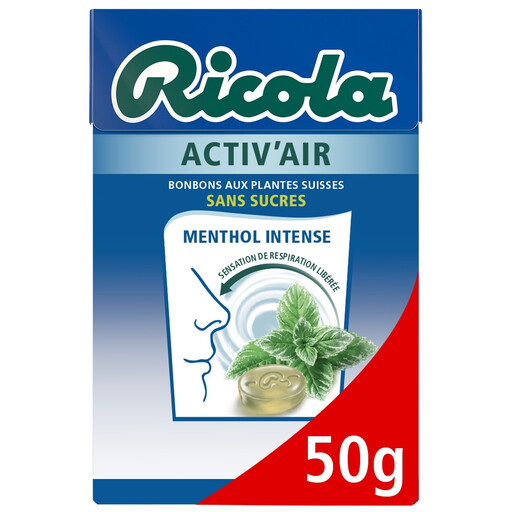 Image unavailable
Worth considering if the recipient prefers a lozenge to suck rather than chewing gum. The pack contains 50 g; check that the menthol flavour and throat lozenge format suit her tastes.
For this type of confectionery, also read the ingredients and check for any warning about polyols.
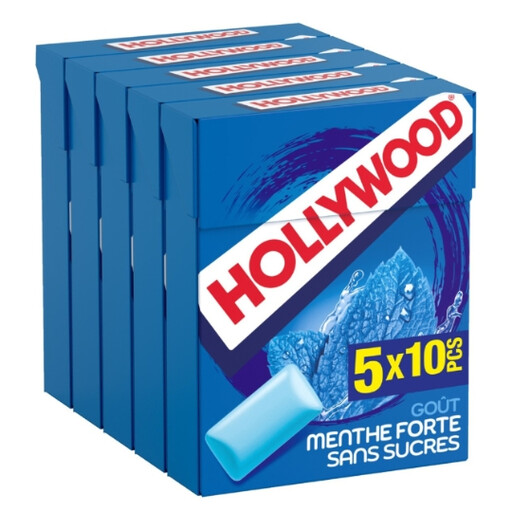 Image unavailable
The chewing gum format is a good fit if the recipient already enjoys strong mint gum. The title indicates a pack of five; check that this specific product is labelled ‘sugar-free’ rather than assuming the whole range is.
If sweeteners matter to her, read the ingredients and any warnings on the packaging.
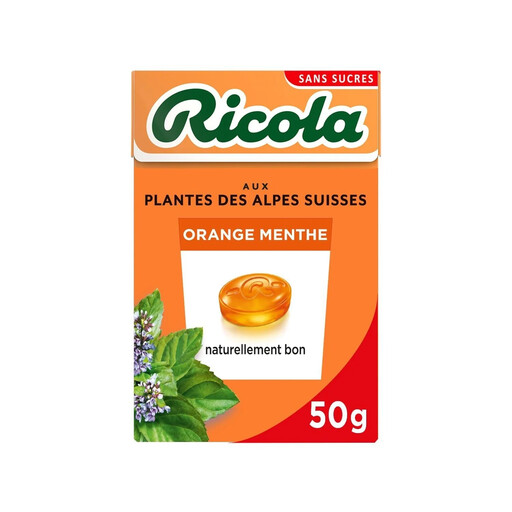 Image unavailable
A lozenge option if the recipient enjoys mint and orange together rather than a purely menthol flavour. The pack contains 50 g.
Before giving it as a gift, check the ingredients and any warnings about polyols on the label.
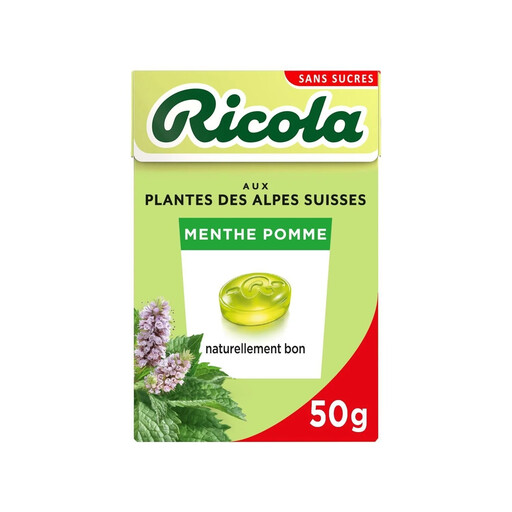 Image unavailable
Worth considering for someone who prefers lozenges and likes mint and apple. The pack contains 50 g, and the flavour is different from plain mint.
Check the label to make an informed choice about the sweeteners and take any warnings into account.
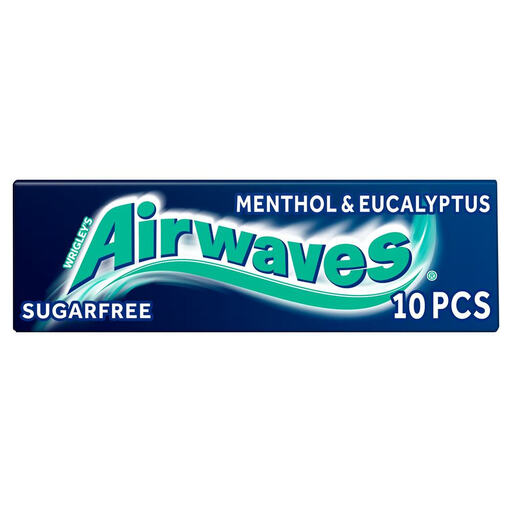 Image unavailable
The chewing gum format and mint-eucalyptus flavour are best suited to someone who enjoys both. The title refers to a single pack.
Before giving it as a gift, check that this specific product is labelled ‘sugar-free’, and read the sweeteners and any warnings.
Under European Regulation (EC) No 1924/2006, published by EUR-Lex, it means the product contains no more than 0.5 g of sugars per 100 g or 100 ml. When shopping in France, look for this label and check the nutritional information for the specific product: a mint flavour alone does not tell you how much sugar it contains.
No: the ‘sugar-free’ label describes the sugar content, not a general health benefit. ANSES notes, among other things, that the evidence it reviewed does not demonstrate that intense sweeteners help with weight control. Choose this confectionery for its recipe and the recipient’s taste, not for any supposed health effect.
This warning relates to excessive consumption of products containing polyols, as set out in European Union labelling rules. It appears, for example, on the E.Leclerc listing for Confiseo sugar-free mint sweets. Read the label on the product you plan to give, especially if it will be eaten regularly.
Choose a lozenge or boiled sweet if the recipient prefers to let a mint dissolve, and only choose chewing gum if she enjoys chewing it. A mini lozenge could be a good choice if you’re looking for something small to tuck into a gift. In every case, check the flavour, ‘sugar-free’ label and ingredients of the exact product.