Shoppers who check the ‘sugar-free’ claim
You want a mint option whose product description and nutritional information you can check, rather than relying on the words on the front of the pack.


For your Easter shopping, first choose between a lozenge to suck and chewing gum, then check the ‘sugar-free’ claim, the ‘of which sugars’ line and the ingredients for the exact product. A declared sugar content of 0 g does not rule out sweeteners or polyols: the format and ingredients matter just as much as the mint flavour.
You want a mint option whose product description and nutritional information you can check, rather than relying on the words on the front of the pack.
You compare the sweeteners and warnings for each product, particularly if polyols cause you discomfort.
Whether you’re looking for something after a meal or to take with you, consider whether you’d rather chew gum or have a lozenge, then choose a quantity that suits your needs.
First decide whether you’d prefer chewing gum or a lozenge to suck. Then compare the ingredients of products that suit your needs, before choosing the flavour and format.
| Criterion | What to check | Who is it for? |
|---|---|---|
| ‘Sugar-free’ claim | The product description and the ‘of which sugars’ line per 100 g. | I want to be able to confirm the sugar content of the product I’m putting in my basket; around 38% of shoppers put this check first. |
| Ingredients and polyols | The list of sweeteners, any polyols mentioned and the warnings on the packaging. | If certain ingredients or a high intake of polyols cause me discomfort, the ingredients matter more than the flavour; this is a priority for around 25% of shoppers. |
| Type and format | Chewing gum or lozenge, mint flavour and the quantity in the pack. | For something after a meal or to take with me, I first look for a format and mint sensation I enjoy; around 25% of shoppers make this their main criterion. |
| Quantity and availability | The net weight or number of pieces, and whether the product you want is available when you shop. | I prefer to add a quantity I expect to use to my basket, without having to switch products once I’m in the shop; this is the priority for around 12% of shoppers. |
The claim alone does not tell you everything about the ingredients. For example, Mentos France lists 0 g of sugars and 66 g of polyols per 100 g for Mentos White Menthe Douce.
Check the ‘of which sugars’ line, polyols and ingredients list separately for the product you’ve chosen.
Warnings matter when several people share a pack or you consume the product frequently. E.Leclerc’s product information for Valda sugar-free pastilles notes that excessive consumption may have a laxative effect.
Choose a quantity that suits how you’ll use it, and keep the packaging so you can check the product-specific information.
A lozenge and chewing gum are used in different ways. Likewise, a claim made for one particular product does not apply to every other mint product.
Start with what you’re looking for, then read the conditions and warnings for the exact product before adding it to your basket.
These brands offer mint products mentioned by Mentos France or listed in Carrefour and Auchan catalogues. Compare the specific products rather than assuming that the same ingredients apply across an entire range.
The range includes mint chewing gum, including Mentos White products.
Sugar-free mint chewing gum is available in Auchan and Carrefour catalogues, among others.
The Carrefour catalogue lists sugar-free chewing gum in several mint flavours.
This selection includes chewing gum and mint lozenges. For your Easter shopping, first compare them by the format you want, then check the pack size and the claims on each pack.
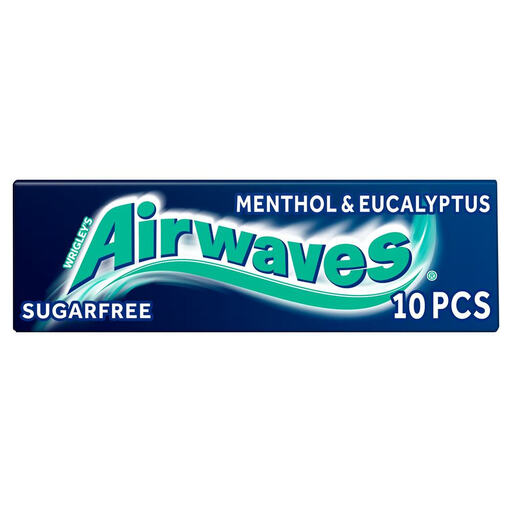 Image unavailable
Worth considering if you’d rather chew mint and eucalyptus-flavoured gum than have a lozenge.
The title indicates an x1 format. If sweeteners matter to you, check the ingredients and warnings on the packaging.
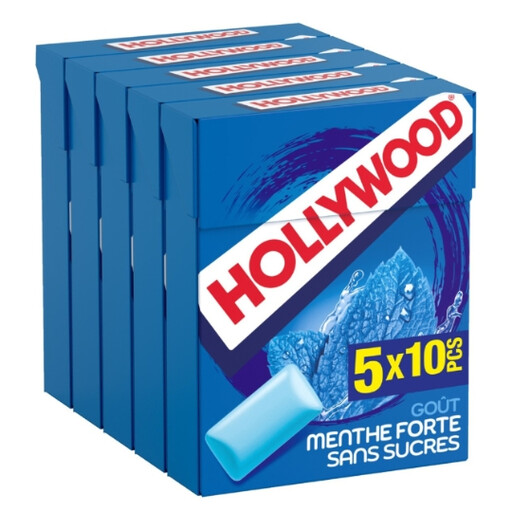 Image unavailable
This format is for shoppers looking for chewing gum described as strong mint.
The title indicates x5; check the contents of each pack, as well as the ingredients and warnings for the variety you receive.
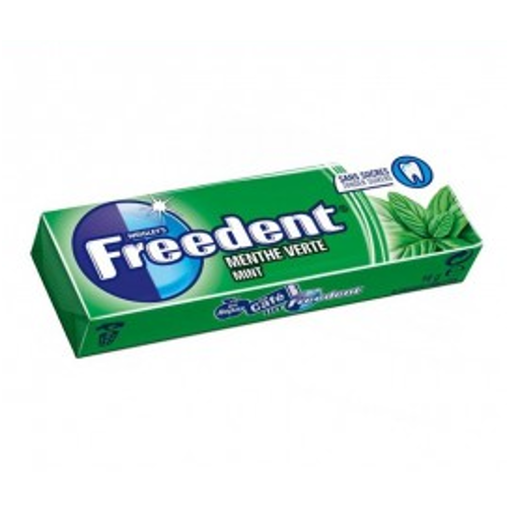 Image unavailable
The 10-piece pack suits anyone choosing a set quantity of mint chewing gum.
The title specifies 14 g. Check the ingredients list and allergens on the packaging of the product you receive.
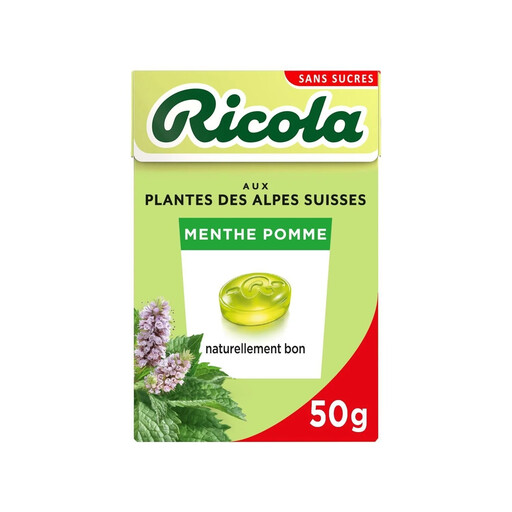 Image unavailable
An option to consider if you’d prefer apple and mint lozenges to chewing gum.
The title indicates a 50 g format. Compare the ingredients list and nutritional information with those of any other lozenges you’re considering.
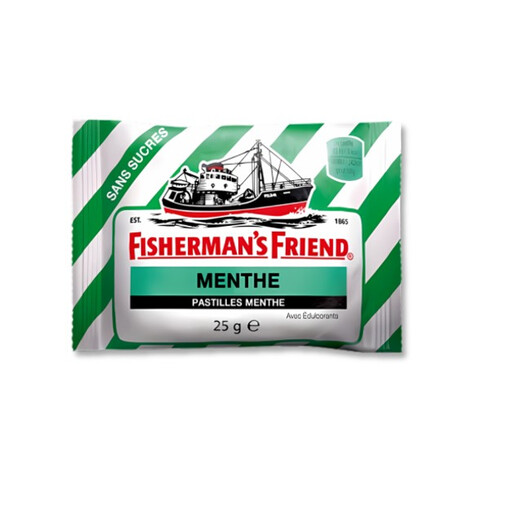 Image unavailable
This mint lozenge format is for shoppers who don’t want chewing gum.
The title indicates 25 g and the S/S variety. Check the ‘of which sugars’ line, ingredients and warnings on the packaging rather than relying on the abbreviation alone.
No. Mentos France lists 0 g of sugars but 66 g of polyols per 100 g for Mentos White Menthe Douce. Check the nutritional values and ingredients: the ‘of which sugars’ line alone does not tell you everything about the product.
The amount and warnings may matter if you consume it often or polyols cause you discomfort. E.Leclerc’s product information for Valda sugar-free pastilles warns that excessive consumption may have a laxative effect; check the information on your own pack.
Follow the instructions for the product you’ve bought. Auchan’s product information for Freedent Refreshers Menthe Verte recommends storing it in a cool, dry place. Keeping the packaging also means you can refer back to the ingredients and warnings.
Not for the same purpose: a throat pastille and confectionery chewing gum are presented differently and have different usage instructions. If you’re simply looking for something to chew after a meal, compare chewing gums by format and ingredients. For a throat pastille, read the instructions for that specific product.