People checking sugar content
You want to check the ‘sugar-free’ claim in the nutritional information, then read the sweetener list rather than relying on the packaging alone.


When ordering groceries for click and collect, choose based on how you’ll use your mint: go for sugar-free chewing gum if you want something to chew after a meal, or a lozenge or hard sweet if you’d rather let a mint dissolve. Before placing your order, check the ‘sugar-free’ claim, ingredients and warnings for the exact product. Neither format is a substitute for brushing your teeth.
You want to check the ‘sugar-free’ claim in the nutritional information, then read the sweetener list rather than relying on the packaging alone.
You’re looking for sugar-free chewing gum to chew when the occasion allows, without treating it as a substitute for brushing.
You’d like to take a lozenge or hard sweet with you and let it dissolve. Remember to check the ingredients and warnings for the product you choose.
Choose this if: you can chew after a meal and are specifically looking for this format.
Bear in mind: this option involves chewing and is not a substitute for dental hygiene.
Choose this if: you’d rather let a mint dissolve, perhaps while travelling or taking a break.
Bear in mind: this format doesn’t offer the same after-meal chewing experience as chewing gum.
| What to consider | What to check before buying | Who is it for? |
|---|---|---|
| Sugars and ingredients | Check the product description, the ‘of which sugars’ figure per 100 g and the sweetener list. ‘Sugar-free’ doesn’t mean ‘polyol-free’. | If I’m looking to avoid sugars, I want to be able to distinguish this claim from other nutritional information. Around 40% of consumers prioritise checking the sugars and ingredients. |
| Chewing after a meal | Check that it’s sugar-free chewing gum, and read the warnings for the recipe. | When I can’t brush my teeth straight after eating, I’m primarily looking for something I can chew. This is the top priority for around 30% of consumers. |
| A format without chewing | Distinguish between lozenges and hard sweets, then check the net weight and the warnings for the product. | For a break or a journey, I’d rather let a mint dissolve than chew it. This is the top priority for around 30% of consumers. |
Once you’ve chosen a format, check that it’s available through your selected click and collect service. A product listing doesn’t necessarily mean that item can be added to your local order.
The sugar-free mint recipes listed by Carrefour, E.Leclerc and Auchan use a range of sweeteners, including polyols. So the sugar claim alone doesn’t tell you everything about the ingredients.
Read the ingredients and nutritional information for the exact product, particularly if you want to avoid a particular sweetener.
The UFSBD distinguishes between chewing sugar-free gum after a meal and your usual dental hygiene routine. A lozenge or hard sweet shouldn’t be treated as a substitute for that chewing-gum use either.
Choose a format to suit the occasion, but keep brushing and cleaning between your teeth as part of your routine.
Auchan and E.Leclerc listings warn that excessive consumption may have a laxative effect. Some products also carry warnings relating to phenylalanine or children’s ages; these don’t automatically apply to all mints.
Check the warnings on the packaging of the variant you’ve chosen before adding it to your order.
Listings include everything from small lozenges to larger bags, but the range available depends on the shop and collection option.
Check the net weight and confirm that the product can be added to your order at your chosen store.
These products show how recipes and pack formats can vary. Check the specific variant and its claims rather than assuming they apply to the whole brand.
Carrefour lists Pure Fresh Mint as sugar-free chewing gum in a box of 50 dragees, weighing 100 g.
Auchan listings include mint chewing gum as well as the brand’s sugar-free mini lozenges.
The brand offers a 150 g bag of sugar-free mint sweets to suck rather than chew.
E.Leclerc lists sugar-free mint hard sweets under this brand, in a 150 g bag.
E.Leclerc lists sugar-free mint lozenges in a 50 g tin.
These products let you compare mints to dissolve with chewing gum. For each one, check the ‘sugar-free’ claim and the warnings for the specific variant before choosing the right option for you.
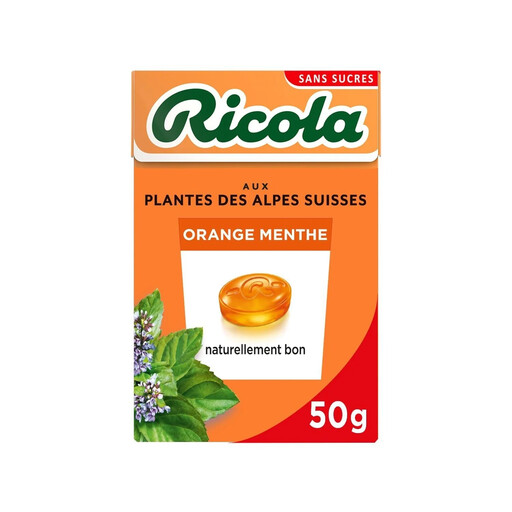 Image unavailable
Worth considering if you’d rather let a lozenge dissolve than chew gum. The title specifies an orange-mint flavour and a 50 g pack; check the sweeteners if you’re keeping an eye on polyols.
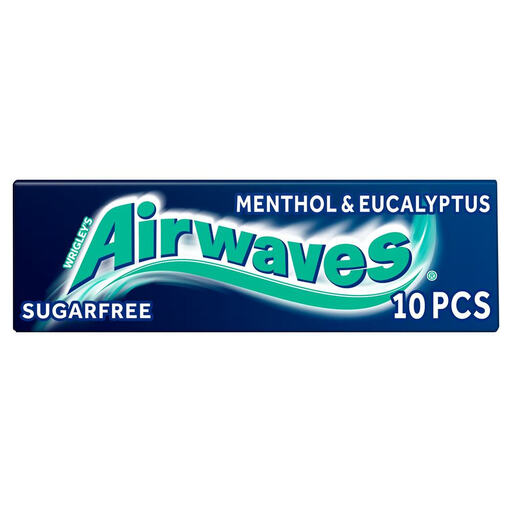 Image unavailable
A chewing format could suit you if you’re looking for gum to chew after a meal. Before buying, check the variant’s ‘sugar-free’ claim, sweeteners and warnings.
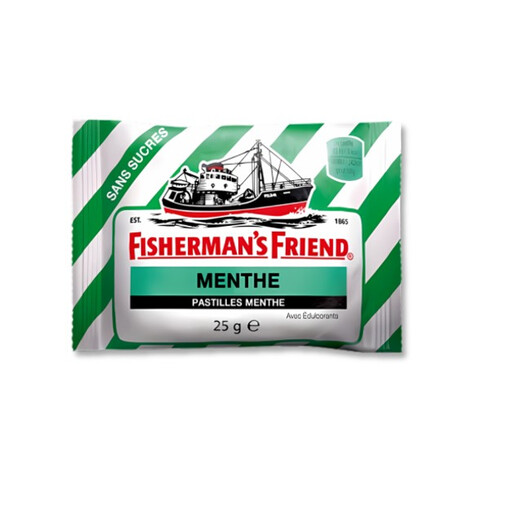 Image unavailable
These 25 g lozenges are an option if you prefer a format that doesn’t involve chewing. Check what ‘S/S’ means, along with the nutritional information and sweeteners, on the exact pack.
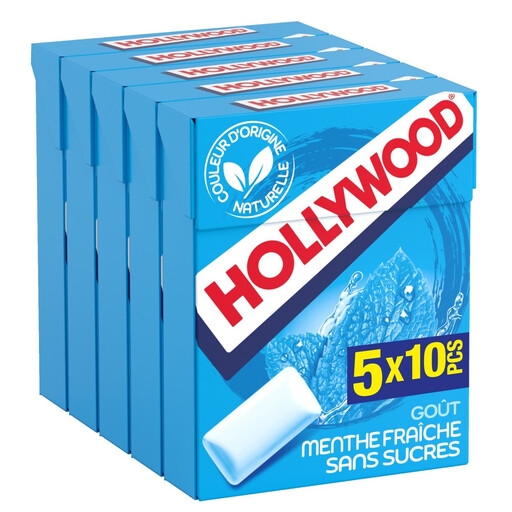 Image unavailable
Worth a look if you’re after mint chewing gum in a multipack. Before placing your order, check the ‘sugar-free’ claim and the number of packs and pieces in the variant on offer.
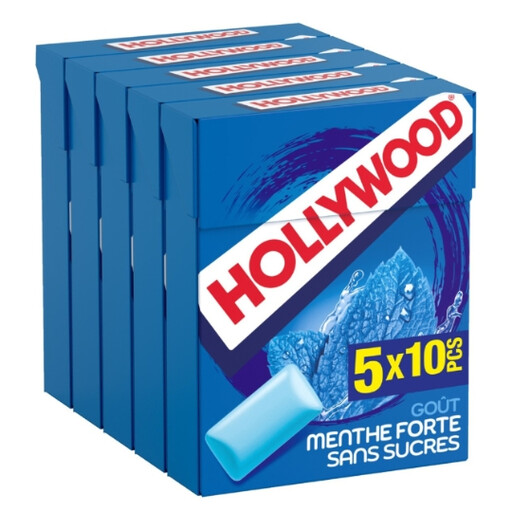 Image unavailable
This strong mint chewing-gum multipack is for anyone who prefers to chew. Check what’s included in the pack, the ‘sugar-free’ claim and the ingredients for your chosen variant, especially if you need to take a phenylalanine warning into account.
No. The sugar-free mint and chewing-gum recipes listed by Carrefour, Auchan and E.Leclerc may contain sweeteners, including polyols. Read the ingredients and the ‘of which sugars’ figure in the nutritional information for the product you choose.
No. The UFSBD describes chewing sugar-free gum after a meal as a possible extra, not a substitute for brushing or cleaning between your teeth. This use involves chewing and doesn’t automatically apply to lozenges.
Some products listed by Auchan and E.Leclerc state that excessive consumption may have a laxative effect. Ingredients and claims vary by product, so follow the information on the pack you buy.
Check the instructions for the exact product before giving it to a child. E.Leclerc says not to give its 50 g Ricqlès lozenges to children under 3 years old; this product-specific restriction doesn’t apply to all sugar-free mints.
Not necessarily. The range depends on the store and collection option. Select your store and check that the product can be added to your order before completing your shop.