Parents keeping an eye on sugar
You’re looking for a mint sweet labelled ‘sugar-free’ for the lunchbox, rather than simply a sweet that tastes of mint.


For a school lunchbox, first choose a format that suits your child and their school’s rules: a hard sweet or lozenge to suck if chewing isn’t allowed, and chewing gum only if it is. Then check the ‘sugar-free’ claim, the list of sweeteners and the warnings on the exact product. A small pack is easier to carry, but you’ll still need to decide how much to take.
You’re looking for a mint sweet labelled ‘sugar-free’ for the lunchbox, rather than simply a sweet that tastes of mint.
You’re choosing between a lozenge, a hard sweet and chewing gum. The school’s rules and how your child will use the product will help you decide.
You want to check the sweeteners, any allergen traces and the warnings on the pack you’re buying, rather than relying on the ‘sugar-free’ claim alone.
Start with the type of sweet your child can have at school, then compare the ingredients and packaging of each product.
| What to consider | What to check | Who is it for? |
|---|---|---|
| Sugar content | The ‘sugar-free’ claim, followed by the ‘of which sugars’ figure per 100 g and the sweeteners in the ingredients list. | I want to tell the difference between a sugar-free recipe and a sweet that’s simply mint-flavoured. Around 36% of consumers put this check first. |
| School-friendly format | The type of sweet and, before choosing chewing gum, whether it’s allowed by the school and suitable for your child. | If chewing isn’t allowed at school, I need to choose a different format. This is the main consideration for around 29% of consumers. |
| Ingredients and warnings | The sweeteners, any stated allergens or traces, and the warnings on the exact product. | If an ingredient or warning matters for my child, the ‘sugar-free’ claim isn’t enough to make a decision. Around 21% of consumers prioritise the ingredients list. |
| Portion and storage | The weight of the pack and whether you can prepare a small portion instead of taking the whole bag. | For an occasional treat, I’d rather choose what goes in the lunchbox than put in a family-size bag. Portion size is the top consideration for around 14% of consumers. |
Flavour doesn’t tell you how much sugar a product contains. France’s DGCCRF reminds shoppers that prepacked food labels include ingredients and nutritional information, among other details.
Check the ‘sugar-free’ claim, the ‘of which sugars’ figure and the sweeteners in the variant you’ve chosen.
E.Leclerc’s product page for Confiseo sweets warns that excessive consumption may have laxative effects. The same warning appears on the Hollywood chewing gum product featured by Joybuy.
Read the warnings on the product you buy and prepare the amount for the lunchbox, rather than putting in a whole family-size bag.
Chewing gum isn’t used in the same way as a lozenge. Whether you can put it in the lunchbox depends on the school’s rules and whether it’s suitable for your child.
Check both before buying. If chewing isn’t allowed, compare lozenges instead.
Auchan’s product page notes that its mint sweets may contain traces of milk. The Hollywood product featured by Joybuy states that it contains a source of phenylalanine.
If your child has an allergy or another specific dietary requirement, check the details on the exact pack before choosing it.
Carrefour offers sugar-free mint sweets in a 150 g bag.
Auchan offers sugar-free mint sweets in a 150 g pack.
E.Leclerc offers Confiseo sugar-free mint sweets in a 150 g bag.
The range includes sugar-free mint mini lozenges and chewing gum, so the format makes a difference when choosing something for school.
Mentos offers products including Pure Fresh Soft Mint sugar-free chewing gum.
These products include chewing gum, lozenges and a soft mint sweet. For a school lunchbox, the ingredients alone aren’t enough: also check which formats are allowed and read the information on the pack you’re giving your child.
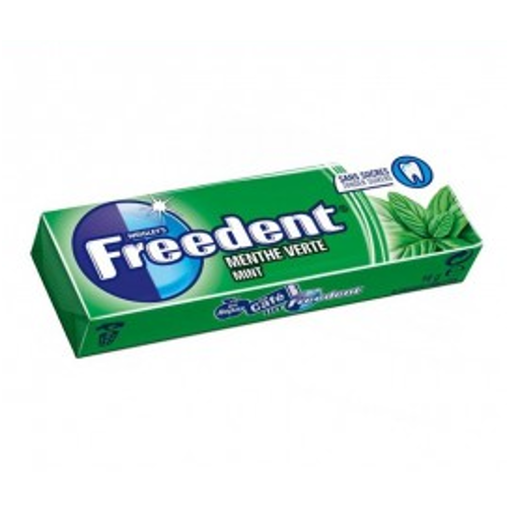 Image unavailable
Worth considering if chewing gum is allowed at school and suitable for your child. The pack contains 10 pieces and weighs 14 g. Check the packaging for the ‘sugar-free’ claim, ingredients and warnings for the variant you buy.
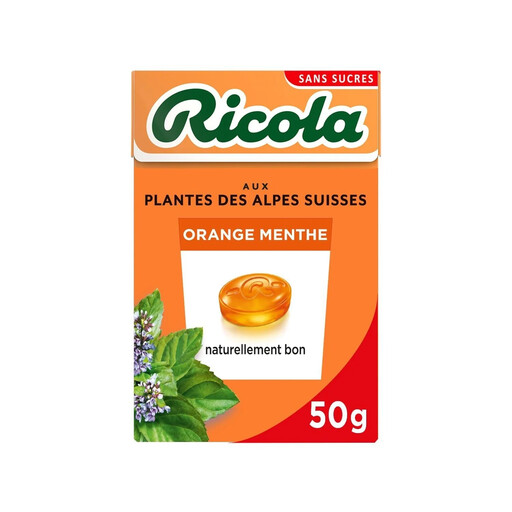 Image unavailable
An option to suck rather than chew, in a 50 g tin. Check the ingredients, warnings and whether these lozenges are suitable for your child before putting them in their lunchbox.
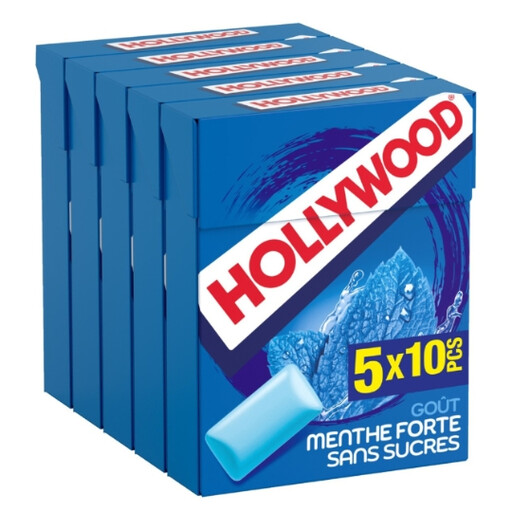 Image unavailable
Only consider this if chewing gum is allowed at school and suitable for your child. The Hollywood product featured by Joybuy states that it contains a source of phenylalanine and warns that excessive consumption may have laxative effects. Check the pack you buy.
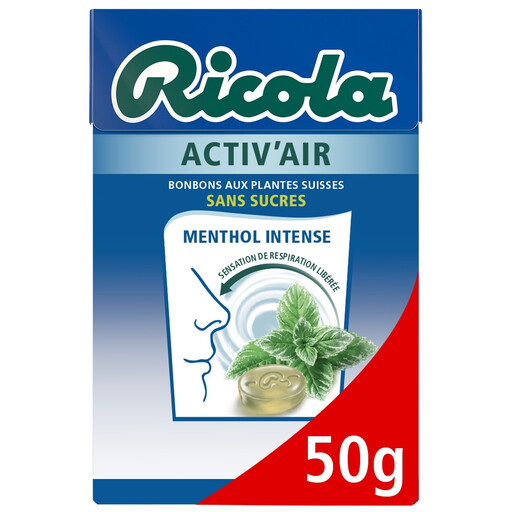 Image unavailable
This 50 g product is described as throat lozenges, not regular mint sweets. Check that they’re suitable for your child, and read the ingredients and warnings on the pack.
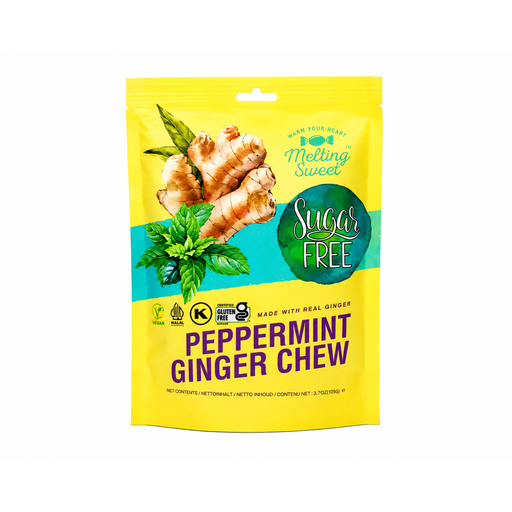 Image unavailable
This is a soft ginger and peppermint sweet, not a lozenge or chewing gum. If you’re considering this 105 g format for the lunchbox, check that it’s suitable for your child and read the pack information before preparing a portion.
No. The products featured by Carrefour and E.Leclerc include maltitols; other recipes may use different sweeteners. Check the ingredients list and nutritional information for the exact product.
No. Assurance Maladie continues to recommend brushing as a way to help prevent tooth decay and advises against snacking between meals. It mentions chewing sugar-free gum for a few minutes after a meal, but not as a substitute for good oral hygiene.
The product page for Confiseo sweets at E.Leclerc and the Hollywood chewing gum product featured by Joybuy both warn that excessive consumption may have laxative effects. Read the warning on the variant you buy before deciding how much to take.