What should you check before buying?
Start with the format and any precautions for children. Then use the nutritional information and ingredients list to compare the products that are suitable for them.
| What matters |
What to check |
Who is it for? |
| Limiting sugar |
Compare the sugar and polyol content in the nutritional information, using the same per-100g basis. |
If your priority is to occasionally replace a sugary sweet, the ‘sugar-free’ claim can help you spot options, but it doesn’t tell you how much to eat. Around 36% of consumers mainly prioritise reducing sugar when making their choice. |
| Choosing a format |
Check the age guidance, how to use it and any precautions given for the chewing gum or lozenge in question. |
If a child can’t use chewing gum or a lozenge in line with the pack instructions, the ingredients alone aren’t enough to decide. The format and how it’s used are the main consideration for around 36% of consumers. |
| Checking the ingredients |
Read the list of sweeteners and any warnings, particularly those relating to polyols or phenylalanine. |
If an ingredient needs to be avoided, you need to identify the exact recipe rather than relying on the ‘sugar-free’ claim alone. This is the main priority for around 28% of consumers. |
Joybuy products to compare
These products include mint chewing gums, herbal lozenges and a soft ginger and peppermint sweet. First, compare the format with the usage guidance for children, then check the ingredients.
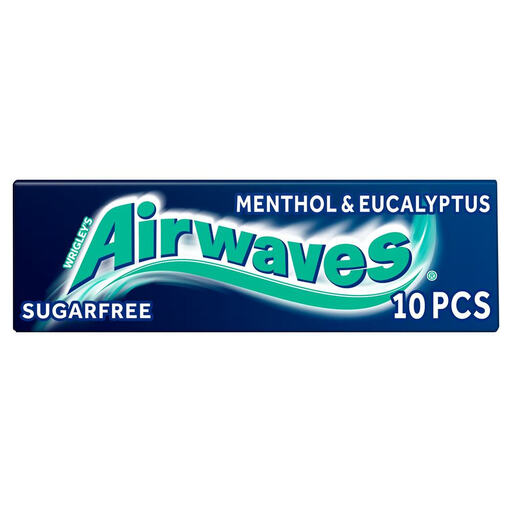 Image unavailable
AIRWAVES Mint Eucalyptus chewing gum
Worth considering if you’re looking for mint and eucalyptus chewing gum rather than a lozenge. This product contains aspartame and states that it is a source of phenylalanine; check the pack for precautions on use by children.
View on Joybuy
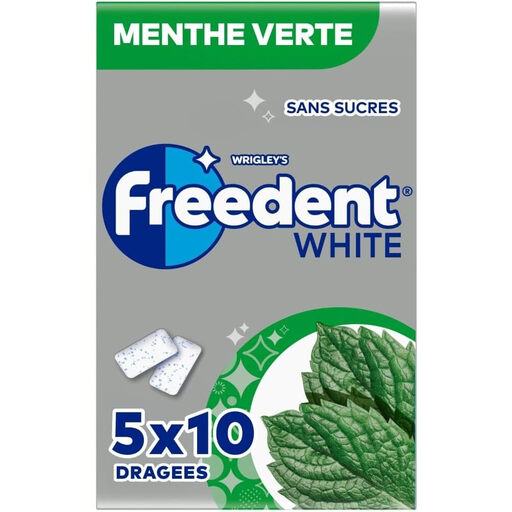 Image unavailable
FREEDENT Whitening Mint chewing gum, 5 pieces
This mint chewing gum is worth comparing with recipes that contain several sweeteners. The fact that it contains xylitol doesn’t mean it’s the only sweetener; also check any precautions on use by children.
View on Joybuy
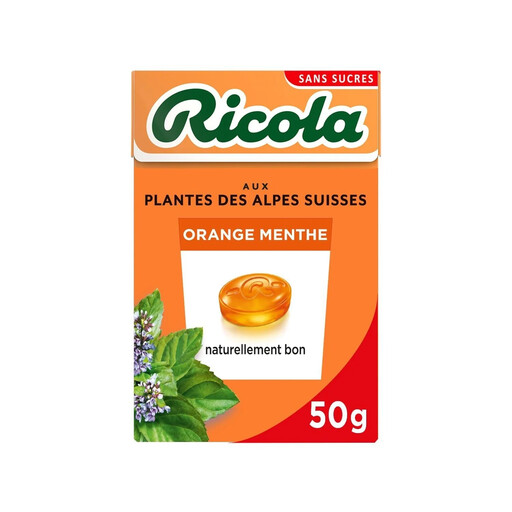 Image unavailable
RICOLA Orange Mint herbal lozenges, 50 g
These orange and mint lozenges are a different format from chewing gum. Before choosing them for a child, check the usage instructions, serving size and warnings on the box.
View on Joybuy
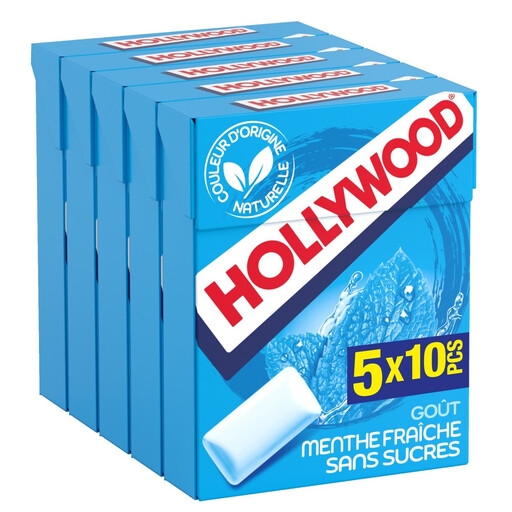 Image unavailable
HOLLYWOOD Fresh Mint chewing gum, pack of 5
Worth comparing if you’re looking for a multipack of mint chewing gum. This is a different product from Hollywood Blancheur 100 % Xylitol; check its own ingredients and warning about excessive consumption.
View on Joybuy
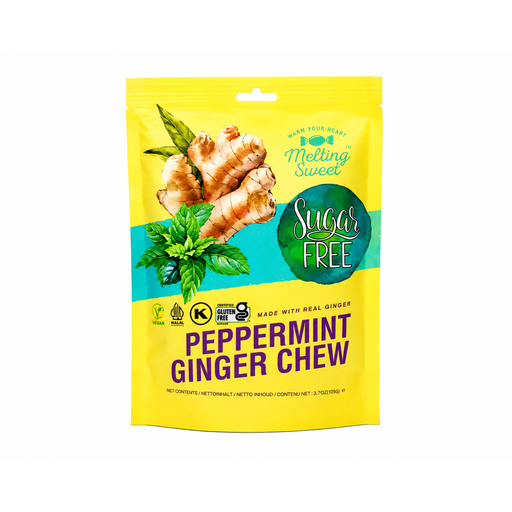 Image unavailable
MELTING SWEET Ginger Chew Peppermint, 105 g
This soft sweet combines ginger and peppermint. It’s neither a hard lozenge nor a mint-only sweet. Check the serving size, any warnings about polyols and the guidance for children.
View on Joybuy
Frequently asked questions
Can a ‘sugar-free’ mint be eaten without limit?
No. The claim doesn’t tell you everything about the product’s composition. For example, the Mentos Pure Fresh Menthe fraîche product page published by Auchan lists 0 g of sugars but 69 g of polyols per 100 g. Check the nutritional information and keep these sweets for occasional consumption.
Does sugar-free chewing gum replace brushing your teeth?
No. L’Assurance Maladie mentions chewing sugar-free gum for a few minutes, while still recommending toothbrushing and dental check-ups as part of its preventative advice.
How can you tell a xylitol recipe from one with several sweeteners?
Read the full ingredients list for the specific product. Hollywood describes Blancheur Menthe Forte as sweetened 100% with xylitol, while the Mentos Pure Fresh Menthe fraîche we reviewed contains, among other ingredients, xylitol, sorbitol, mannitol and aspartame. So the presence of xylitol alone doesn’t mean it’s the only sweetener in the recipe.
What does the warning about polyols mean?
Some products warn that excessive consumption may have a laxative effect. If the product you choose contains polyols, read the warning and consumption guidance on its packaging.
Is chewing gum or a hard lozenge better for a child?
Choose based on the format your child can use and the guidance for the specific product you buy, rather than applying the same age limit to every product. Chewing gum is chewed; a hard lozenge is used differently and doesn’t replace chewing gum.


