What should you look for before choosing?
First decide between a mint to suck and chewing gum: at your gathering, the difference is as much about chewing as it is about the packaging. Then check the ‘sugar-free’ claim and the ingredients of the product you choose.
Sugar-free lozenges or hard sweets
Choose these if: you want a mint to suck, keep with you or offer around the table; Carrefour, for example, stocks a 150 g bag of sugar-free mint sweets.
Check: pack sizes and ingredients vary by product, and some products containing polyols carry a warning about excessive consumption.
Sugar-free mint chewing gum
Choose this if: you prefer to chew after eating; Mentos and Hollywood, for example, both offer sugar-free mint-flavoured products.
Bear in mind: chewing gum isn’t a substitute for a lozenge, and you’ll need to check its ingredients separately.
| Criterion |
What to check |
Who it matters to |
| ‘Sugar-free’ claim |
Check the claim and the ‘of which sugars’ figure per 100 g on the exact product; don’t assume it applies to the whole brand. |
After savoury nibbles, I want to choose a mint that really is labelled ‘sugar-free’, rather than relying on the range name alone. Around 46% of consumers put this criterion first. |
| A format to share that doesn’t need chewing |
Look for ‘lozenges’ or ‘hard sweets’ and check the net weight of the pack. |
When offering mints around the table, I prefer something to suck rather than chewing gum. This is the top priority for around 27% of consumers. |
| Ingredients and warnings |
Read the sweeteners list, check for any ingredients you want to avoid and read the warnings on the pack you choose. |
Before choosing a format, I want to know whether it contains an ingredient I avoid and what precautions are listed on the packaging. Around 27% of consumers prioritise this check. |
Under European Regulation (EC) No 1924/2006, a ‘sugar-free’ claim means the product contains no more than 0.5 g of sugars per 100 g or 100 ml. It tells you neither about all the ingredients nor how the product is intended to be consumed.
Brands and products to know
These examples show how formats and ingredients can differ between specific products; they aren’t a guide to every product from each brand.
Mentos
The brand offers sugar-free mild mint chewing gum, including Pure Fresh and White.
- Mentos France lists 0 g of sugars per 100 g for Pure Fresh Mild Mint and White Mild Mint, with 70 g and 66 g of polyols per 100 g respectively.
- According to Mentos France, classic Mentos Mint contains 69 g of sugars per 100 g, so always check the exact product.
Hollywood
An option to consider if you’re looking for sugar-free mint chewing gum and are happy to chew.
- Carrefour stocks a box of 40 sugar-free Hollywood Strong Fresh Mint pellets.
- The ingredients listed for this product include maltitol, sorbitol, aspartame, acesulfame-K and gelatine. Check the list if you avoid any of these ingredients.
Carrefour
The retailer stocks sugar-free mint sweets in a 150 g bag, a pack size worth considering if you’re serving them around the table.
- The ingredients for this product include maltitols and steviol glycosides from stevia.
- Even if the pack is designed for sharing, remember to read the ingredients and warnings on the bag you choose.
Lozenges and chewing gum available on Joybuy
These products offer two different ways to finish a charcuterie evening: suck a mint lozenge or chew gum. First choose the option that suits you, then compare the variant and pack size listed for each product.
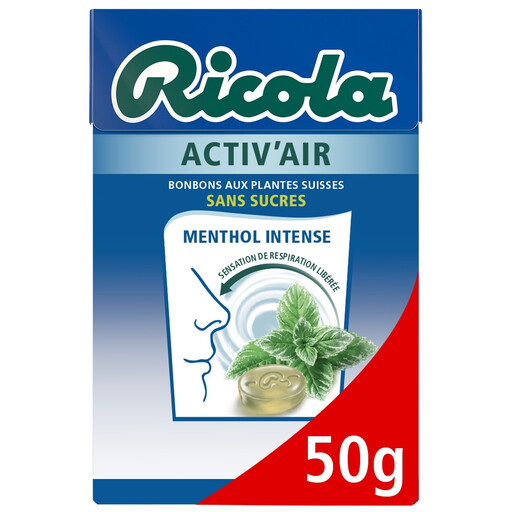 Image unavailable
Ricola Activit'Air Intense Menthol, 50 g
An option to suck if you don’t want to chew after your meal. These are menthol herbal lozenges described as sugar-free; check the ingredients and warnings on the bag.
View on Joybuy
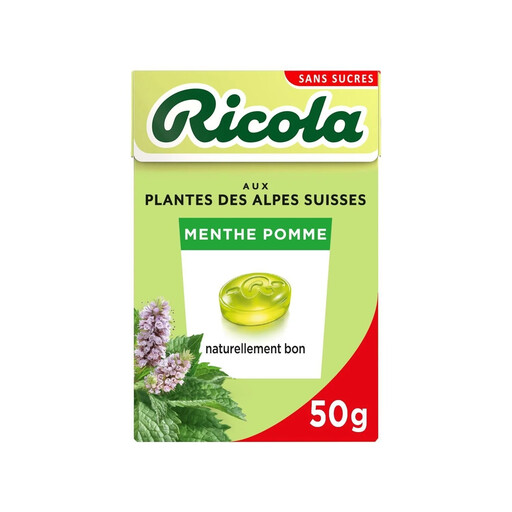 Image unavailable
Ricola Apple Mint sugar-free, 50 g
Lozenges to suck if you prefer an apple and mint flavour to a straightforward menthol mint. The bag is listed as 50 g; check the ingredients if sweeteners are a factor in your choice.
View on Joybuy
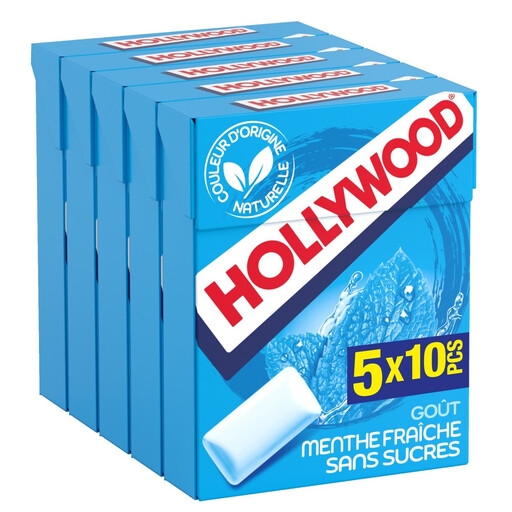 Image unavailable
HOLLYWOOD Fresh Mint chewing gum x5
Worth considering if you’d rather chew mint after eating than offer lozenges to suck. This variant is sold in a pack of 5; check the ‘sugar-free’ claim and the ingredients on the pack you choose.
View on Joybuy
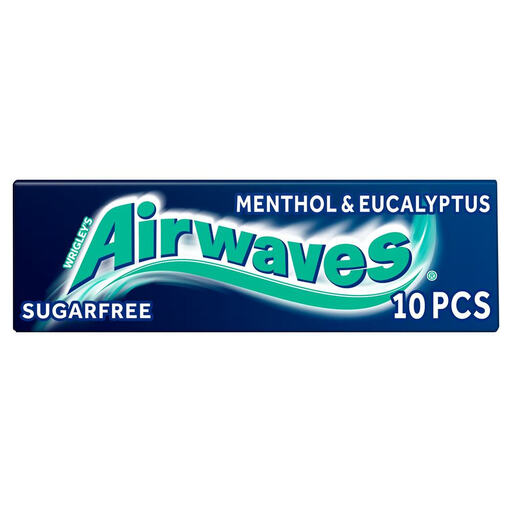 Image unavailable
AIRWAVES Mint Eucalyptus chewing gum x1
This mint and eucalyptus variant is for people who are happy to chew after a meal. Read the ingredients and packaging warnings, particularly if a warning about phenylalanine is relevant to you.
View on Joybuy
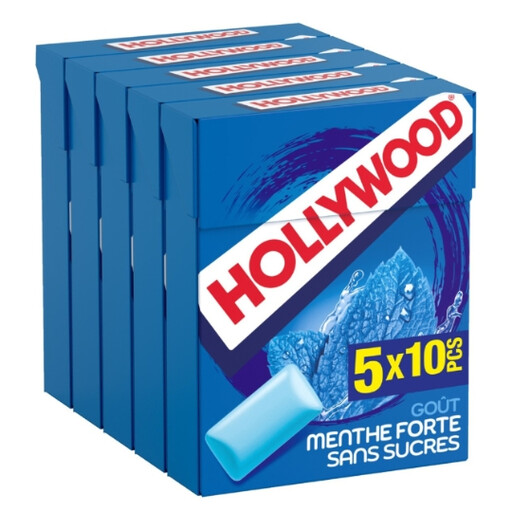 Image unavailable
HOLLYWOOD Strong Mint chewing gum x5
A strong mint variant in a pack of 5 for anyone who prefers chewing gum to a lozenge. The Joybuy listing for this product warns that excessive consumption may have a laxative effect and states that it contains a source of phenylalanine; check these details on the product you receive.
View on Joybuy
Frequently asked questions
What does ‘sugar-free’ mean on a mint sold in France?
Under European Regulation (EC) No 1924/2006, this claim requires the product to contain no more than 0.5 g of sugars per 100 g or 100 ml. It doesn’t, on its own, mean the product is free from sweeteners or polyols, so read the ingredients list too.
Does a sugar-free mint necessarily contain sweeteners?
The ‘sugar-free’ claim alone doesn’t tell you what other ingredients a product contains. Among the products featured here, Carrefour lists maltitols and steviol glycosides in its sugar-free mint sweets; the Hollywood Strong Fresh Mint product stocked by Carrefour lists sorbitol and aspartame, among other ingredients.
What should I choose if I don’t want to chew during the evening?
Choose a sugar-free lozenge or hard sweet rather than chewing gum. If you’re offering them to several people, check the pack size too: Carrefour, for example, stocks a 150 g bag of sugar-free mint sweets.
Should I read the warnings on lozenges and chewing gum?
Yes, as they depend on the ingredients in each product. Some product listings for products containing polyols warn of a laxative effect if consumed excessively; a Joybuy listing for Hollywood chewing gum also states that it contains a source of phenylalanine. Check the information on your packaging.
Does ‘sugar-free’ mean the mint has general health benefits?
No: the claim tells you about the sugar content, not about general health benefits. In 2015, Anses stated that it had no convincing evidence to support encouraging the replacement of sugar with intense sweeteners as a general public health policy.


