After a quick lunch, choose chewing gum if you want something to chew, or a lozenge or sweet if you’d rather let it dissolve. To find a sugar-free option, check the claim on the product and the ‘of which sugars’ line for the specific variant you’re buying: according to the French National Consumer Institute, this claim means no more than 0.5 g of sugars per 100 g or 100 ml in France. When comparing two products, the recipe and allergens matter just as much as the flavour.
Who are these options for?
People looking for a ‘sugar-free’ option
If this claim is your first filter, check it on the specific product you’re thinking of buying, then look at the ‘of which sugars’ line in its nutrition information. ‘No added sugars’ doesn’t meet the same criteria on its own.
People who grab a quick lunch
After a meal, the way you want to enjoy it can guide your choice: chewing gum is chewed, while a lozenge or boiled sweet is left to dissolve. You can then compare the flavour and packaging of products in your chosen format.
People who pay close attention to ingredients
Ingredient lists vary between products, even within the same brand. If an ingredient or allergen is a deciding factor for you, check the packaging of the variant you’ve chosen rather than relying on another recipe in the range.
What should you check before buying?
When choosing a mint to enjoy after lunch, start with the factor that will genuinely guide your decision, then compare the products on the other points.
| Criterion |
What to check |
Who is it for? |
| ‘Sugar-free’ claim |
The exact claim and the ‘of which sugars’ line per 100 g or 100 ml for the variant you’re buying. |
If I want to stick strictly to the ‘sugar-free’ criterion, a similar-sounding claim isn’t enough. Around 31% of consumers put this check first. |
| Ingredients and allergens |
The ingredient list, any declared allergens and product-specific warnings. |
If my decision depends on avoiding an ingredient, I need to read the exact recipe, even if I already know the brand. For around 25% of consumers, ingredient suitability comes first. |
| Mint flavour |
The flavour listed: mild mint, strong mint or a blend with other flavours. |
After a meal, I might prefer a mild mint or look for a stronger menthol taste. Flavour is the top priority for around 25% of consumers. |
| Format |
Chewing gum, a lozenge to suck or a sweet to chew; check that the packaging also suits you. |
If I don’t want to chew gum while I’m out and about, how I consume the sweet becomes the deciding factor. Around 19% of consumers prioritise the format first. |
What common mix-ups should you avoid?
-
Confusing ‘no added sugars’ with ‘sugar-free’
These claims don’t mean the same thing. In France, the National Consumer Institute states that a product labelled ‘sugar-free’ must contain no more than 0.5 g of sugars per 100 g or 100 ml; ‘no added sugars’ doesn’t confirm that threshold on its own.
If this threshold determines your choice, look for the ‘sugar-free’ claim and check the ‘of which sugars’ line on the packaging.
-
Assuming a brand always uses the same recipe
Sweeteners and other ingredients vary from product to product. Documented Mentos and Hollywood products, for example, have different ingredients; don’t use another variant from the same brand as a shortcut when checking allergens.
Read the ingredient list and allergen information again if you switch flavour, format or product.
-
Choosing a flavour before deciding on the type of sweet
Chewing gum, a lozenge to suck and a sweet to chew are used in different ways. A flavour you like won’t make up for a format you don’t want after a meal.
First decide whether you want to chew or let the product dissolve, then compare flavours and recipes in your chosen format.
Brands to consider
The details below relate to specific products, not every sweet from each brand.
Mentos
The range includes mint-flavoured chewing gum and mints; check the type of sweet and recipe for each specific product.
- According to Mentos France, Pure Fresh Menthe Douce contains 0 g of sugars and 70 g of polyols per 100 g.
- Another Mentos product or format may have a different recipe, so check its ingredients and allergens before buying.
Hollywood
Hollywood mint chewing gums are labelled sugar-free, including fresh mint and strong mint flavours.
- The Auchan product listing for a 76.5 g pack of Hollywood mint chewing gum shows less than 0.1 g of sugars and 63 g of polyols per 100 g.
- Ingredients vary by product; one documented Menthe Forte recipe contains gelatine and aspartame, among other ingredients.
Options available on Joybuy
These products cover a few ways to enjoy a mint-flavoured sweet after lunch: chewing gum, lozenges to suck and a soft ginger and peppermint sweet. Compare the format, flavour and label of the specific product before choosing.
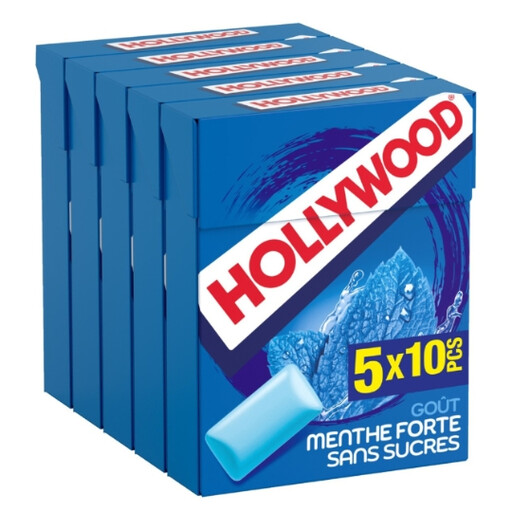 Image unavailable
HOLLYWOOD Strong Mint, pack of 5
Strong mint chewing gum for anyone who prefers to chew after a meal. The product information warns that excessive consumption may have a laxative effect and that it contains a source of phenylalanine; check these warnings on the packaging.
View on Joybuy
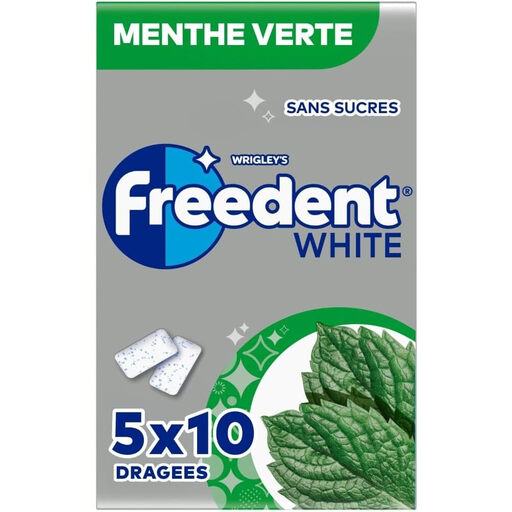 Image unavailable
FREEDENT Whitening Mint, pack of 5
Another mint-flavoured option to chew after lunch. If the ‘sugar-free’ claim or soya content matters to you, check the nutrition claim and allergen information on the specific pack before buying.
View on Joybuy
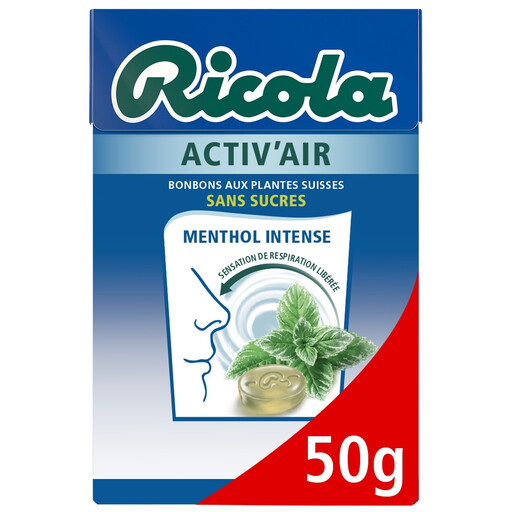 Image unavailable
Ricola Activit'Air Intense Menthol sugar-free, 50 g
Mint lozenges to let dissolve, rather than chewing gum. The product information includes a warning about excessive consumption and notes that it contains a source of phenylalanine. Check the label if these details affect your choice.
View on Joybuy
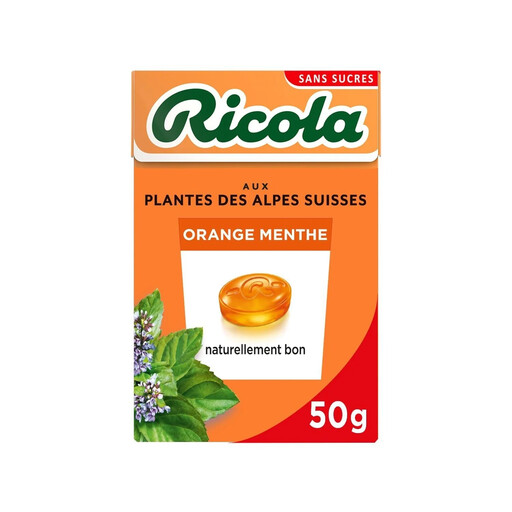 Image unavailable
Ricola Orange Mint sugar-free, 50 g
Sweets to let dissolve if you prefer that to chewing. Their flavour combines orange and mint, so choose this product for that blend rather than if you’re looking for mint on its own.
View on Joybuy
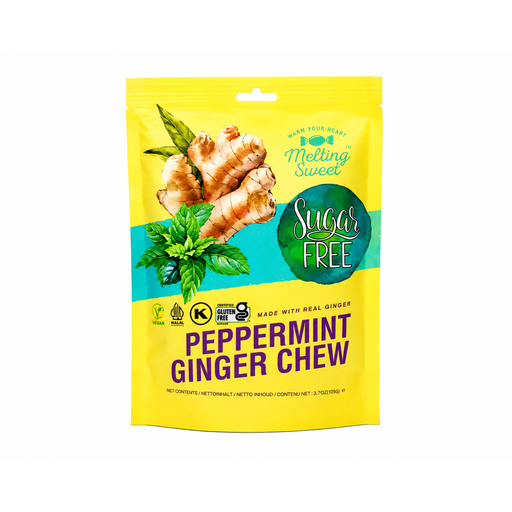 Image unavailable
MELTING SWEET Ginger Chew Peppermint sugar-free, 105 g
A soft sweet to chew, different from chewing gum or a lozenge to suck. The flavour combines ginger and peppermint; check that this blend and the sweeteners listed on the packaging suit your preferences.
View on Joybuy
Frequently asked questions
Are ‘sugar-free’ and ‘no added sugars’ the same thing?
No. According to the French National Consumer Institute, in France the ‘sugar-free’ claim means a maximum of 0.5 g of sugars per 100 g or 100 ml. ‘No added sugars’ doesn’t confirm this level on its own: check the ‘of which sugars’ line if the threshold is important to you.
How can I check the allergens in a sugar-free mint?
Read the ingredient list and allergen information for the product you’re going to buy. The French Directorate-General for Competition Policy, Consumer Affairs and Fraud Control reminds consumers that allergens must be highlighted on the labels of relevant foods. Don’t assume that the ingredients are the same across different flavours or formats.
Do Mentos sweets and Mentos chewing gum have the same recipe?
Don’t assume they do: ingredient lists differ between documented products and formats. If you’re choosing between a sugar-free Mentos sweet and chewing gum, compare both packs, particularly the sweeteners and allergens.
Will a product listed online be available for my lunch break?
Not necessarily. Availability can vary by retailer and store; a Carrefour listing for a sugar-free Mentos sweet showed it as unavailable. Check that your chosen product is in stock when you’re ready to buy.
Do warnings about polyols and phenylalanine apply to all mints?
No, they depend on the recipe. The Joybuy listing for Hollywood Strong Mint says that excessive consumption may have a laxative effect and that the product contains a source of phenylalanine. Check the warnings for each product rather than assuming they apply to the whole category.


