Hosts avoiding added sugars
If you’re sharing milk chocolate over drinks, start by checking the exact wording of the nutrition claim, then look at the amount of sugars shown on the label.


For Friday drinks, first decide what you mean by “less sugar”: a bar labelled “no added sugars” is not necessarily “sugar-free”. Compare the “of which sugars” figure per 100 g, then check the ingredients and allergens before choosing a format that’s easy to share. According to Santé publique France, Nutri-Score is voluntary; if it appears on the packaging, it doesn’t replace these checks.
If you’re sharing milk chocolate over drinks, start by checking the exact wording of the nutrition claim, then look at the amount of sugars shown on the label.
The milky flavour and an easy-to-serve format matter more to you, but a bar divided into portions doesn’t necessarily contain little sugar.
Before serving several guests, you need to be able to check the ingredients and any precautionary ‘may contain’ warnings for each bar.
For drinks and nibbles, start with the need that will really determine your choice: the sugar claim, a format for sharing or your guests’ dietary requirements.
| Criterion | What to check | Who is it for? |
|---|---|---|
| Sugar claim | The exact wording, “sugar-free” or “no added sugars”, and the “of which sugars” figure per 100 g. | If I want to avoid added sugars, I need to distinguish this from looking for sugar-free chocolate. Around 42% of shoppers put this distinction first. |
| Sharing format | The weight of the bar, the number of bars or squares, and the nutrition information per 100 g. | To make it easy to arrange the chocolate on a platter, I look for a format that several people can share. This comes first for around 33% of shoppers. |
| Allergens | Allergens in the ingredients and any ‘may contain’ warnings on the packaging you receive. | If any guests have dietary restrictions, I check each product before serving it. This is the top priority for around 25% of shoppers. |
These are two different claims. Under the EU regulation on nutrition claims, “sugar-free” means a maximum of 0.5 g of sugars per 100 g for a chocolate bar.
Read the full claim and the “of which sugars” figure rather than relying on a single word on the front of the pack.
A “no added sugars” recipe may contain sweeteners and still have a notable energy value. Carrefour’s product listings for Poulain and Gerblé bars show 514 and 499 kcal per 100 g respectively.
Compare sugars, energy and fat per 100 g, as well as the amount you plan to serve.
Carrefour’s product listings for Poulain and Gerblé recipes flag milk, soya or hazelnuts, depending on the product, as well as possible traces of other allergens.
Ask your guests about any dietary requirements, then check the packaging of the bar you’ve chosen.
According to Santé publique France, displaying Nutri-Score is voluntary. A logo on a chocolate bar doesn’t tell you everything about its ingredients or allergens.
Use it as additional information, then check the nutrition information and ingredients.
Carrefour lists a Gerblé milk chocolate bar labelled “no added sugars”, made with sweeteners.
The Poulain milk chocolate bar labelled “no added sugars” and listed by Carrefour is another sweetened recipe to compare.
Some Lindt bars are suitable if you’re looking for milk chocolate to serve or portion out, but they don’t meet the “no added sugars” criterion.
Carrefour’s product listings make it easy to distinguish a standard chocolate bar from products labelled “no added sugars”.
E.Leclerc’s listings for these two bars provide useful comparisons for standard milk chocolate.
This selection mainly includes standard milk chocolates for sharing, as well as a sweetened gianduja. If no added sugars is your main criterion, don’t assume a product meets it based on its format or name alone.
 Image unavailable
This pack of three bars makes it easy to share the chocolate among several guests. If you’re looking to avoid added sugars, this standard recipe doesn’t meet that criterion; also check the packaging for milk, almonds, soya and egg.
 Image unavailable
This pack of three bars is a good choice if you want several bars to share. It doesn’t meet the no added sugars criterion; before serving, check the packaging for milk, hazelnuts, soya and any possible traces.
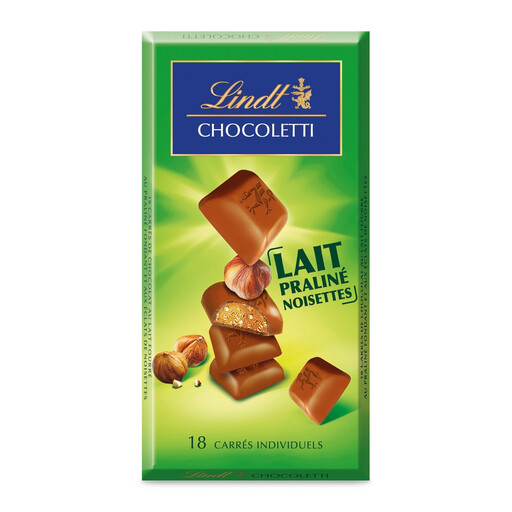 Image unavailable
Consider this product if you’d prefer squares to share rather than a “no added sugars” claim. It doesn’t carry that claim; check the information about nuts, milk, soya and barley before serving.
 Image unavailable
Consider this bar if you’re looking for a maltitol recipe rather than standard chocolate. Despite “Sugar-Free” in its product name, it contains 9 g of sugars per 100 g, so don’t treat it as “sugar-free” under the EU claim. The product listing also warns of a possible laxative effect if consumed in excess; check the information about milk and nuts.
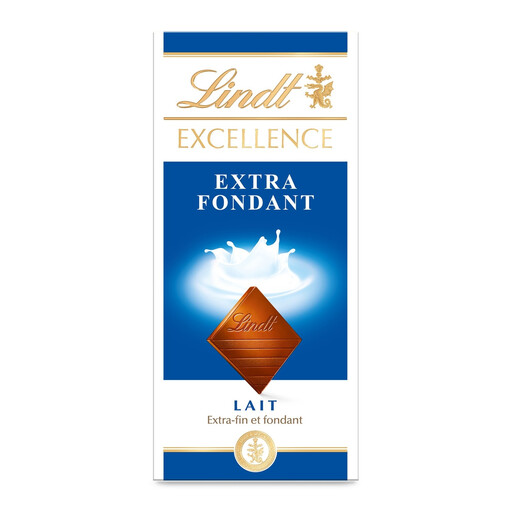 Image unavailable
This bar is suitable for sharing if reducing added sugars isn’t your main priority. It isn’t a no added sugars option; also check the information about milk, barley and soya for any guests who need to avoid them.
No. The EU regulation on nutrition claims sets a maximum of 0.5 g of sugars per 100 g of food for a “sugar-free” claim. “No added sugars” is a different claim: check the “of which sugars” figure and the ingredients, including any sweeteners.
No. The levy described by the French Ministry of the Economy as the “soda tax” applies to sugary drinks, not milk chocolate bars. When choosing a bar, check its ingredients and nutrition information instead.
No. According to Santé publique France, producers display Nutri-Score voluntarily. If it isn’t shown on a bar, its nutrition information and ingredients list are still there for you to check.
Check the packaging for allergens in the ingredients and any precautionary ‘may contain’ warnings. Depending on the product, Carrefour’s listings for Poulain and Gerblé bars with no added sugars flag milk, soya, hazelnuts or warnings about other allergens.