When revising, first choose chewing gum labelled “sugar-free”, then compare the “of which sugars” line, the ingredients and the warnings on the pack. The UFSBD describes chewing gum after eating as a complement to oral hygiene, not a replacement for brushing; gum is not a substitute for a snack when you’re hungry, either.
Who are these criteria useful for?
People who want to limit their sugar intake
If you’re looking for chewing gum rather than a sugary sweet while revising, check the exact wording on the pack and the “of which sugars” line in the nutrition information. The DGCCRF notes that this line appears in the nutrition declaration.
People who chew gum after eating
After a meal or snack, you may want sugar-free gum as part of your usual hygiene routine. The UFSBD describes chewing gum after eating, but not as a substitute for brushing.
People who pay attention to ingredients and how often they chew
You want to check the sweeteners and warnings before choosing, particularly if you chew several pieces of gum throughout the day. The UFSBD highlights the digestive or jaw discomfort that can be associated with chewing too often.
What should you check before buying?
Start by checking that the specific product is labelled “sugar-free”, then compare the recipes based on when you plan to chew the gum and how well you tolerate its ingredients.
| Criteria |
What to check |
Who is it for? |
| Claim and sugars |
Look for “sugar-free” on the specific product and check the “of which sugars” line. The DGCCRF distinguishes this claim from “no added sugars”. |
If I want to limit sugar while revising, I don’t want to choose gum based on ambiguous wording. Around 33% of the consumers concerned put this criterion first. |
| When you chew |
Check that the gum is sugar-free if you plan to chew it after eating. The UFSBD describes chewing it for around 20 minutes after eating, as a complement to brushing. |
After a snack or meal, I’m looking for occasional use rather than a replacement for my usual hygiene routine. Around 45% of the consumers concerned prioritise this use. |
| Ingredients and tolerance |
Check the polyols, sweeteners and warnings on the pack, and take into account how often you chew. |
If I plan to chew regularly, I want to be able to rule out a recipe or frequency that causes me discomfort. This is the top concern for around 22% of the consumers concerned. |
Common misunderstandings to avoid
-
Confusing “no added sugars” with “sugar-free”
These two claims are not interchangeable: “no added sugars” alone doesn’t mean the product meets your requirements for sugar-free chewing gum.
Look for “sugar-free” on the specific product you’ve chosen, then check the “of which sugars” line and the ingredients list.
-
Replacing a snack or brushing with chewing gum
Chewing gum isn’t food when you’re hungry. The UFSBD describes it as a complement after eating, not as a replacement for brushing.
Have a proper snack when you’re hungry and keep up your usual oral hygiene routine.
-
Overlooking polyols and how often you chew
The “sugar-free” claim doesn’t tell you everything about the recipe. Some products contain a significant amount of polyols per 100 g; the UFSBD also notes that chewing too often can be associated with digestive or jaw discomfort.
Check the ingredients and warnings on the pack, and take any discomfort into account when deciding how often to chew.
-
Assuming one product’s recipe applies to an entire brand
The “100% Xylitol” formula listed by Hollywood Gum applies to Hollywood Blancheur, not to every Hollywood flavour and format.
Check the exact product name and ingredients, particularly if you switch flavour or pack size.
Brands to compare
Hollywood
The range includes Hollywood Blancheur 100% Xylitol and mint-flavoured products.
- Hollywood Gum labels its Blancheur 100% Xylitol product “sugar-free” and states that it contains 67 g of polyols per 100 g.
- This recipe doesn’t automatically apply to other flavours or formats, so compare their labels.
Freedent (Wrigley’s)
Carrefour France features a Freedent Refreshers spearmint product labelled “sugar-free”.
- The flavours and pack sizes let you compare several versions of the brand.
- Whitening claims made for Freedent White in a product description shouldn’t be taken as a proven result. Check the product and its label without assuming it will have an effect.
Stimorol
Auchan lists a sugar-free mint Stimorol product in a box of 50 pieces.
- For this product, Auchan lists 0.5 g of sugars and 60.8 g of polyols per 100 g.
- These figures don’t apply to other Stimorol recipes, so check the pack you choose.
Milliways
Carrefour France describes a sugar-free Milliways product made with a plant-based gum base.
- The type of gum base may be a useful ingredient criterion if it matters to you.
- On its own, this doesn’t establish a nutritional or dental benefit. Check the product’s ingredients.
Mentos
According to Auchan, a mint-flavoured Mentos Air Action product combines a liquid centre with a recipe that includes xylitol.
- The ingredients list lets you check which sweeteners are used in this product.
- Auchan’s product information also uses the claim “no added sugars”. Before choosing it based on this criterion, check that the pack says “sugar-free”.
Chewing gum available on Joybuy
These mint-flavoured chewing gums come in several formats to consider for revision sessions. Before choosing, check the “sugar-free” claim, ingredients and pack contents on each product.
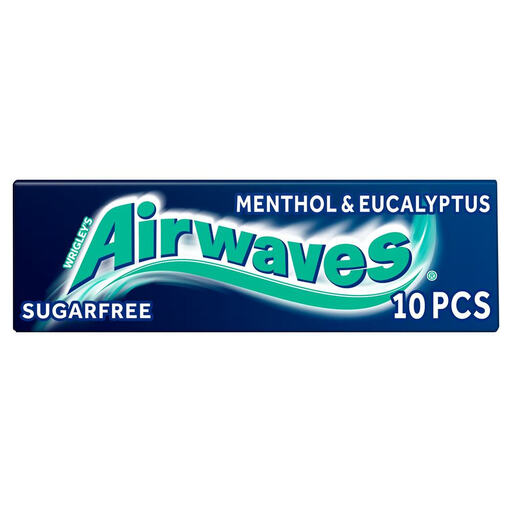 Image unavailable
AIRWAVES Mint Eucalyptus x1
Worth considering if you’re looking for a mint and eucalyptus flavour while revising.
Check the “sugar-free” claim and the warnings on the pack, especially if you need to avoid a source of phenylalanine.
View on Joybuy
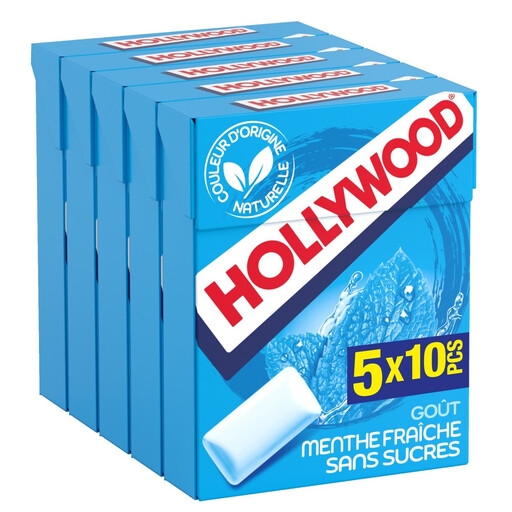 Image unavailable
HOLLYWOOD Fresh Mint, pack of 5
Consider this if you prefer a fresh mint flavour and a multipack.
To compare recipes, check the “sugar-free” claim, ingredients and warnings on the pack you choose.
View on Joybuy
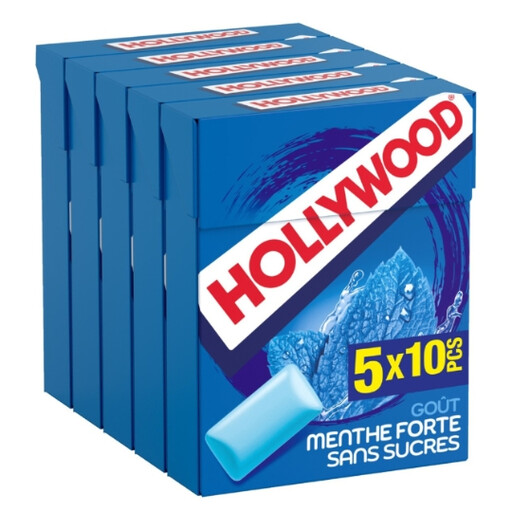 Image unavailable
HOLLYWOOD Strong Mint x5
Worth comparing if you’re looking for a strong mint flavour in a pack of 5.
Check the “sugar-free” claim and the warnings on the pack, particularly those relating to phenylalanine and excessive consumption.
View on Joybuy
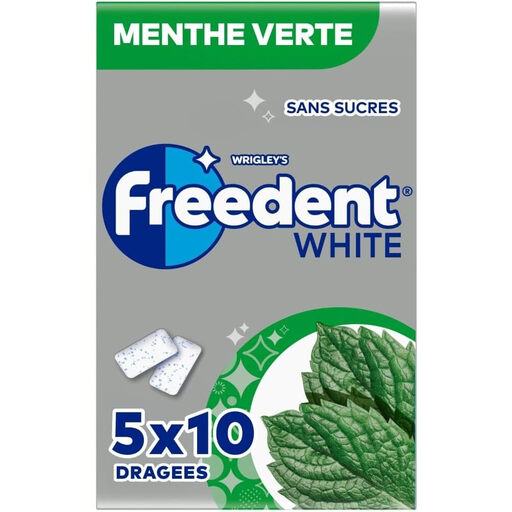 Image unavailable
FREEDENT Whitening Mint, pack marked “5 Pieces”
Worth considering if you’re looking for mint-flavoured Freedent gum, without assuming an effect from the name Whitening.
Check the number of pieces before buying: the title and pack description don’t match. If you avoid a particular substance, also check the “sugar-free” claim and the ingredients.
View on Joybuy
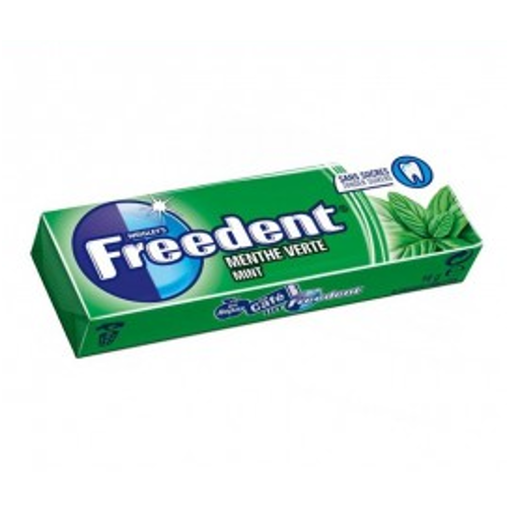 Image unavailable
FREEDENT Spearmint, 10 pieces, 14 g
Consider this if a pack of 10 spearmint pieces suits your revision breaks.
Check the “sugar-free” claim and the ingredients list on the pack. If you’re comparing polyols, refer to the nutrition information for the product you receive.
View on Joybuy
Frequently asked questions
Can sugar-free chewing gum replace a snack while revising?
No. Chewing gum doesn’t replace the food in a snack or breakfast when you’re hungry. Manger Bouger distinguishes between snacking when you’re not hungry and having a snack to tide you over until your next meal.
Does “no added sugars” mean “sugar-free”?
No, these are separate claims. The DGCCRF explains that “no added sugars” has its own specific conditions. To choose according to this article’s criterion, look for “sugar-free” on the specific product and check the “of which sugars” line.
When should you chew sugar-free gum after eating?
The UFSBD describes chewing gum for around 20 minutes after eating as a complement to oral hygiene. It doesn’t replace brushing your teeth.
How should you take chewing frequency into account?
Read the warnings on the pack and look out for any digestive or jaw discomfort. The UFSBD advises chewing no more than 5 to 6 pieces of sugar-free gum a day. This is its usage advice, not a general legal limit.
Why check the sweeteners in sugar-free gum?
The “sugar-free” claim doesn’t tell you which substances are used in the recipe. The European Food Safety Authority explains that sweeteners are used in products such as chewing gum, and that additives must appear in the ingredients list. Check it if you want to avoid a particular substance.


