
Livraison le jour même ou le lendemain

Qualité garantie

Débloquez vos offres de bienvenue: Livraison GRATUITE | Jusqu'à -80 % | 30 jours d'essai gratuits à JoyPlus
Téléchargez l'application
Cutting down on sugar doesn’t mean giving up on bubbly drinks. Sugar-free fizzy drinks are now available in individual sizes, family bottles, cans and fruity pouches. But a tempting label or the simple word ‘zero’ isn’t enough to make an informed choice.
Three common pitfalls keep cropping up:
To compare a zero-sugar soda, start by looking at the ‘of which sugars’ line and the energy value, usually given per 100 ml. The Coca-Cola Zero, Pepsi Max and several sugar-free sparkling lemonades featured in this selection all show 0 g of sugars per 100 ml.
This figure alone won’t tell you about the taste, the sweeteners used or the presence of caffeine. Cross-check it with the ingredients list and the total volume of the container. A 330 ml can, a 1.5 l bottle and a 200 ml pouch clearly serve different purposes.
A sugar-free cola typically offers tangy, caramelised notes, often with caffeine. A sugar-free sparkling lemonade focuses more on citrus or fruity flavours. The Calypso Apple Oasis and Berry Bloom references, for example, combine lemonade with apple or red berry scents.
If you fancy a change from cola, a sugar-free fruity drink like Sweet16 can be an interesting alternative. These Korean drinks come in 200 ml pouches and are poured over ice, as stated on the product page. Several flavours are available, including grape, pomegranate, pear and blueberry.
The right size depends mainly on how often you drink:
Also remember to check the best-before date, storage conditions and the recommended time after opening. An opened can quickly loses its fizz, while a family bottle needs a bit more organisation to keep its sparkle.
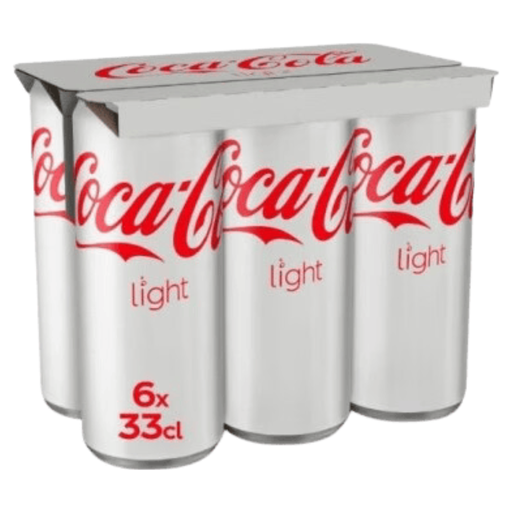
Why this choice suits this profile: with six 330 ml cans, this pack lets you try a sugar-free cola in a standard size without building up too much stock from the start.
The total volume is clearly stated: 6 × 330 ml. The label shows 0 g of sugars per 100 ml and specifies the presence of aspartame and acesulfame-K.
Individual cans, 0 g of sugars per 100 ml according to the product page, and a stated origin of France.
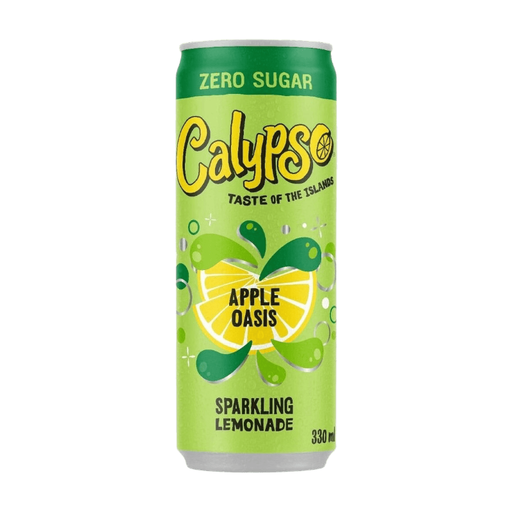
Why this choice suits this profile: its apple-lemon combination and 330 ml size will appeal to those looking for a fruity alternative to classic cola.
The product page details the sweeteners used, the absence of sugars and the 2 kcal per 100 ml. The stated flavour profile is based on apple, lemon and natural flavourings.
A 330 ml can, 0 g of sugars per 100 ml and a recipe using sucralose and acesulfame-K.
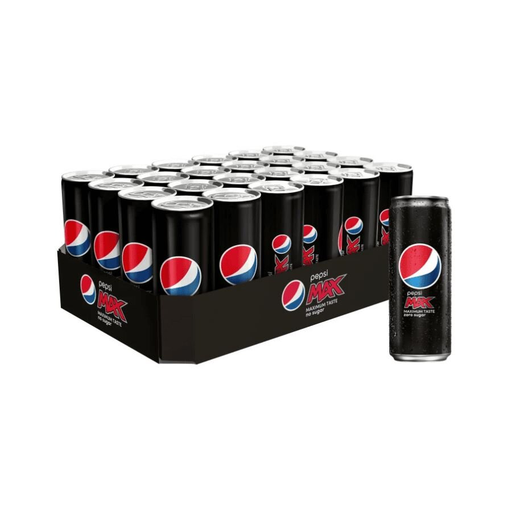
Why this choice suits this profile: the 24-can pack is ideal for offices, events and households that want to stock up on individual drinks.
The total quantity and number of cans are clearly stated. The product page shows 0 g of sugars per 100 ml and mentions a source of phenylalanine from aspartame.
24 cans of 330 ml, a stated manufacture in France and easy storage in a cool, dry place.
We’ve put together a full, real-time updated list of products that meet these strict selection criteria and European safety regulations.
Not necessarily. A drink can show 0 g of sugars while still having a low energy value, for example 1 or 2 kcal per 100 ml. Always check the nutrition table of the product you choose rather than relying solely on its brand name.
After opening, put the bottle in the fridge and follow the recommendations on the packaging. For many products, it’s best to drink it within two to three days to preserve the taste and fizz. Individual cans avoid this issue if you drink them in one go.
The recipes may contain caffeine, aspartame or a source of phenylalanine. People with phenylketonuria, children and pregnant women should check the label and follow the advice that applies to their situation. If you have any health-related questions, please consult a healthcare professional.