Anyone preparing sweets to share
If several people will help themselves from the same selection, keep the packaging so everyone can check the ingredients, allergens and warnings for each variety.


For a festival sharing selection, choose sweets labelled “sugar-free”, and check their ingredients, allergens and any warnings about polyols. Fruity, herbal or caramel flavours suit different preferences. Nutri-Score is optional in France, so it’s no substitute for checking the nutritional information per 100 g.
If several people will help themselves from the same selection, keep the packaging so everyone can check the ingredients, allergens and warnings for each variety.
If this label guides your choice, remember that it doesn’t tell you everything about the product’s nutritional make-up. Also compare the “of which sugars” figure per 100 g and the ingredients list.
Fruity, caramel, mint or liquorice flavours can help guide your choice. Then check the specific recipe: two sweets labelled “sugar-free” don’t necessarily have the same ingredients.
For a selection to share, start by checking the “sugar-free” label, then look at the ingredients for each variety and the information you’ll need when handing them out.
| What to check | What to look for | Who is this for? |
|---|---|---|
| “Sugar-free” label | Look for the label, then check the “of which sugars” figure per 100 g and the ingredients. In the European Union, the regulation on nutrition claims sets a maximum of 0.5 g of sugars per 100 g or 100 ml for this claim. | When choosing sweets to hand out, I want to understand what the label on the packet guarantees. Around 33% of consumers make this their priority. |
| Ingredients and allergens | Check the label for each flavour and keep the varieties identifiable. The sugar-free caramel sweets featured by Auchan contain fresh cream and skimmed milk. | When sharing sweets, I need to be able to check the ingredients for each variety so I can answer questions from everyone taking part. Around 25% of consumers prioritise this. |
| Polyols and warnings | Look out for ingredients such as maltitol or isomalt, and read the packet warnings before deciding how much to serve. | If a bag is left out during the event, I want to take the warnings into account before people help themselves to more. Around 25% of consumers prioritise this. |
| Nutritional information | Compare the nutritional values per 100 g of similar products; use Nutri-Score only if it appears on the packaging. The DGCCRF states that it is voluntary in France. | I want to compare sweets beyond their “sugar-free” label, even if not all of them display a Nutri-Score. Nutritional information is the top priority for around 17% of consumers. |
The legal limit for sugars tells you nothing on its own about the sweet’s other ingredients, carbohydrates or energy value.
Read the nutritional information per 100 g and the ingredients list rather than relying solely on the front of the packet.
According to the DGCCRF, Nutri-Score is voluntary in France. Its absence is therefore not enough to rule out a product; the nutrition declaration applies to the relevant prepacked foods.
If it is displayed, use it as additional information and compare the nutritional values per 100 g as well.
E.Leclerc’s product listing for Confiseo herbal sweets warns that excessive consumption may have laxative effects. This warning would be less visible if the sweets were poured into an unlabelled container.
Keep the warning available and serve portions rather than putting out a large bag without any information.
The sugar-free caramel recipe featured by Auchan contains dairy ingredients. The “sugar-free” label tells you nothing about allergens.
Check each variety and keep the sweets separate so their ingredients remain identifiable.
The details below apply to the specific varieties mentioned, not to every product from each brand.
A fruit-flavoured sugar-free hard sweet, sold by Carrefour in a 150 g bag.
A sugar-free herbal hard sweet, sold by E.Leclerc in a 150 g bag.
Auchan’s sugar-free range includes caramel, herbal and liquorice flavours.
A sugar-free herbal sweet option for anyone looking for flavours such as liquorice.
This selection includes lemon and ginger sweets alongside several small boxes of Ricola herbal sweets. To put together a sharing selection, choose your preferred flavours first, then check the ingredients and warnings on each packet.
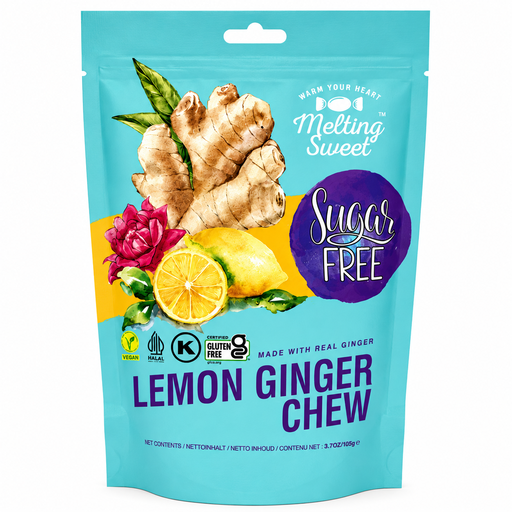 Image unavailable
This lemon and ginger flavour is a good fit for a selection that goes beyond hard herbal sweets.
The bag contains 105 g of sweets labelled sugar-free. The product listing warns of possible laxative effects if consumed excessively, so keep this warning visible when sharing.
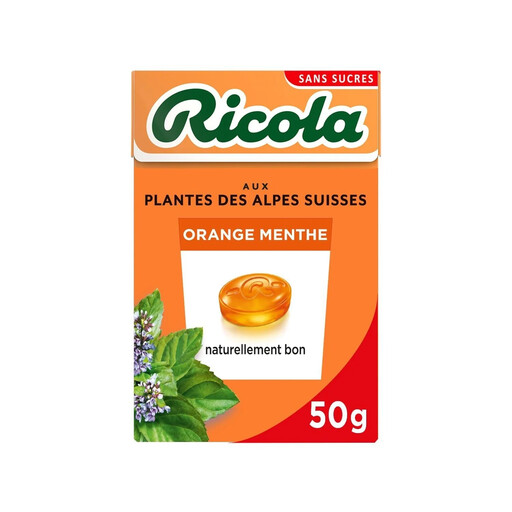 Image unavailable
The orange and mint flavour is for anyone who likes a fruity note paired with mint.
This variety comes in a 50 g box and contains isomalt, according to its product listing. Check the ingredients and warnings on the box you buy before putting it out for people to share.
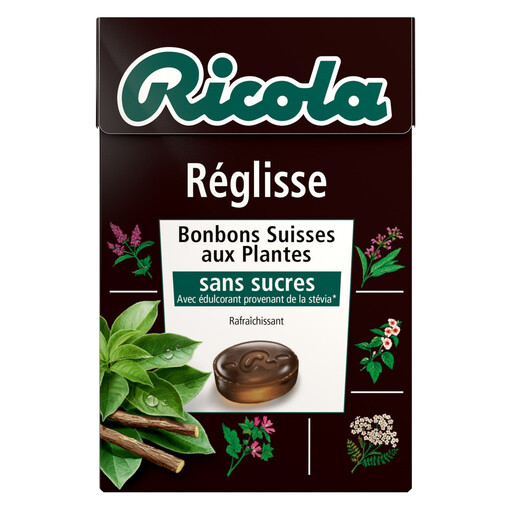 Image unavailable
This box is a good choice for anyone who prefers liquorice to a mix of fruity flavours.
It contains 50 g of sweets labelled sugar-free. The product listing for this variety names soya, so check the label before sharing with anyone who has an allergy.
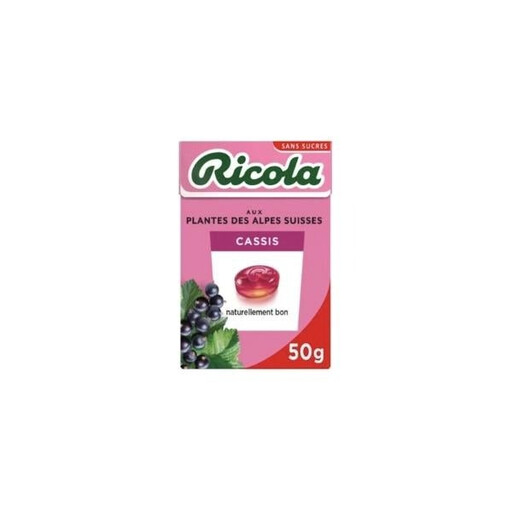 Image unavailable
Blackcurrant brings a fruity flavour to the herbal sweets in your selection.
This variety comes in a 50 g box and contains isomalt, according to its product listing. Store the box away from heat and moisture, as directed.
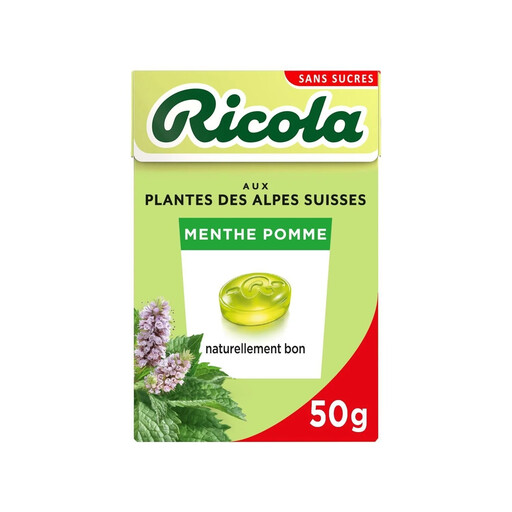 Image unavailable
The apple and mint flavour suits a selection for people who enjoy both a fruity note and mint.
The box contains 50 g of sweets labelled sugar-free; the product listing names isomalt among the ingredients. Keep the packaging so everyone can check the ingredients.
No. The DGCCRF says Nutri-Score is voluntary in France, while a nutrition declaration is required for the relevant prepacked foods. If it appears on the packet, use it alongside the nutritional information and ingredients. Its absence does not mean the product is non-compliant.
In the European Union, the regulation on nutrition claims allows this label when a product contains no more than 0.5 g of sugars per 100 g or 100 ml. It doesn’t mean the sweet contains no sweeteners, carbohydrates or energy: check its ingredients and nutritional information too.
Some recipes contain polyols such as maltitol or isomalt. E.Leclerc’s product listing for Confiseo herbal sweets warns that excessive consumption may have laxative effects. When sharing, keep this information accessible and bear portion sizes in mind.
Keep each variety identifiable in its packaging and check its ingredients list before serving. The sugar-free caramel sweets featured by Auchan contain fresh cream and skimmed milk, among other ingredients. Don’t assume that the same ingredients apply to the other flavours.
Follow the storage instructions on the packet you choose. Auchan’s product listing for the caramel variety says to store it away from heat and moisture. Keep the packaging closed and store it accordingly during the event.