Anyone looking for a “sugar-free” claim
Your priority is to choose a product that meets the threshold for this claim, rather than one simply described as lower in sugar. EU regulations set this threshold at 0.5 g of sugars per 100 g.


If you’re looking for genuinely “sugar-free” sweets for Easter, start by checking the exact claim. Under EU regulations, “sugar-free” means no more than 0.5 g of sugars per 100 g. “No added sugars” and “reduced sugars” have different criteria. If you’re choosing sweets to share, check the ingredients, warnings and pack size too.
Your priority is to choose a product that meets the threshold for this claim, rather than one simply described as lower in sugar. EU regulations set this threshold at 0.5 g of sugars per 100 g.
Whether you’re planning an Easter egg hunt or sharing sweets, the packaging matters just as much as being able to check the ingredients, allergens and warnings for the product you’re handing out.
You may prefer a recipe with reduced sugars, while accepting that it won’t necessarily meet the “sugar-free” criteria. The Haribo Croco Baby product listing illustrates the difference.
When shopping for Easter, first check whether the sugar content meets your requirements, then look at the recipe and pack size of the product you’ve chosen.
| What to look for | What to check | Who is it for? |
|---|---|---|
| “Sugar-free” claim | The exact claim and the “of which sugars” line per 100 g. EU regulations set the “sugar-free” threshold at 0.5 g of sugars per 100 g. | If I’m looking for genuinely “sugar-free” sweets, simply choosing a reduced-sugar product won’t meet my needs. Around 40% of consumers put this strict criterion first. |
| Ingredients | The ingredients list, including sweeteners, and any warnings specific to the product. | I may prioritise no added sugars, but I want to understand the recipe before choosing. Checking the ingredients is the priority for around 30% of consumers. |
| Pack size for sharing | The net weight, as well as the ingredients, allergens and warnings that need to remain accessible while sharing. | For an Easter egg hunt, I first look for packaging that’s suitable for handing out, while keeping the information on the pack in mind. Sharing is the main priority for around 20% of consumers. |
| Preference for avoiding intense sweeteners | The sweeteners listed in the ingredients and the actual sugar content per 100 g, even if the recipe is described as reduced in sugars. | If I’m mainly avoiding intense sweeteners, I may be happy to choose a sweet that still contains sugars. Around 10% of consumers prioritise this type of recipe. |
A product labelled “no added sugars”, such as the Rebelle sweets featured by Carrefour, doesn’t automatically meet the criteria for a “sugar-free” claim.
If meeting this threshold is important to you, check the claim and the “of which sugars” line per 100 g on the product you’re buying.
The DGCCRF describes Nutri-Score as a voluntary label. So, the absence of the logo is not in itself a regulatory failing or a judgement on the sweet.
If it’s displayed, use it to compare similar products. In all cases, check the ingredients and nutritional information.
E.Leclerc’s product listing for Confiseo sugar-free herbal sweets warns that excessive consumption may have a laxative effect.
Read the warnings on the pack you’ve chosen and keep it close by if you’re handing out sweets at an Easter egg hunt.
Haribo describes Croco Baby as a recipe with reduced sugars, but states that it contains 35 g of sugars per 100 g. It isn’t a “sugar-free” product.
If a reduced-sugar recipe suits you, still compare its “of which sugars” figure per 100 g with your original requirements.
Carrefour lists Rebelle sweets with a “no added sugars” claim.
E.Leclerc lists Confiseo sugar-free herbal sweets in a 150 g bag.
Haribo describes Croco Baby as a reduced-sugar sweet with no sweeteners.
Carrefour’s online sweets section features a range of confectionery and pastilles from different brands.
These ginger sweets and blackcurrant pastilles carry a “sugar-free” claim. For your Easter selection, compare the pack sizes and check the “of which sugars” figure, ingredients, allergens and warnings on each pack.
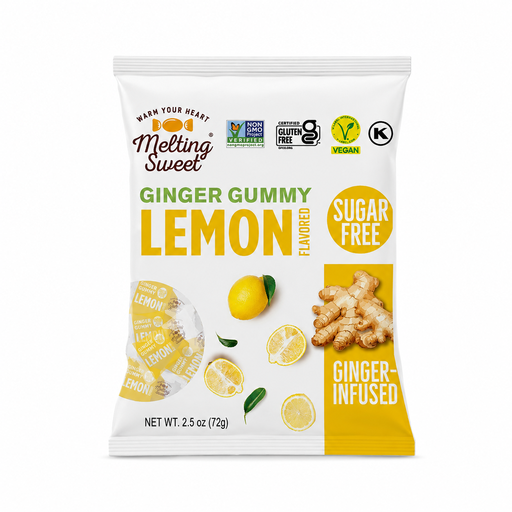 Image unavailable
If you’d like to add ginger and lemon sweets to your selection, this 72 g pack carries a “sugar-free” claim. Before handing them out, check the ingredients, allergens and warnings on the pack.
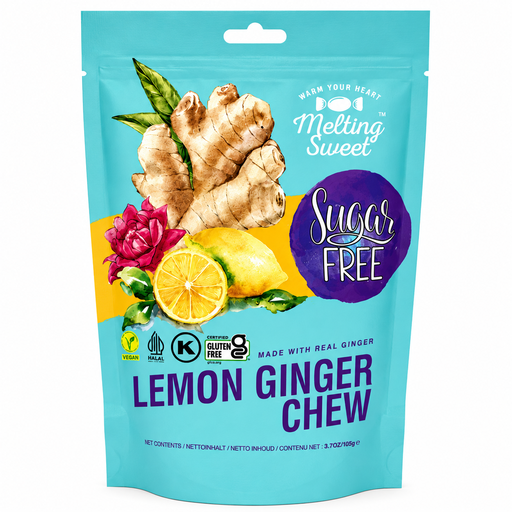 Image unavailable
If you’re looking for a 105 g pack for your selection, these lemon and ginger chews carry a “sugar-free” claim. Check the ingredients and any warnings on the pack before sharing them.
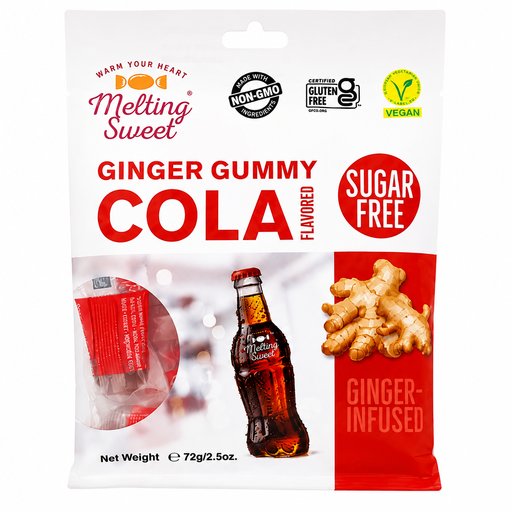 Image unavailable
This 72 g option may suit you if you’re looking for cola-flavoured sweets to add variety to your Easter selection. It carries a “sugar-free” claim. Check the sugar content, ingredients and warnings on the pack for this specific variety.
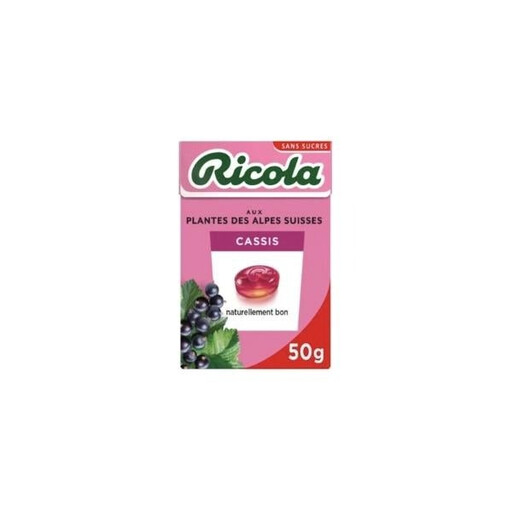 Image unavailable
If you’d prefer pastilles to gummy sweets in your Easter selection, this blackcurrant variety carries a “sugar-free” claim and comes in a 50 g pack. Check the ingredients, allergens and warnings for the variety you buy.
No. The DGCCRF states that Nutri-Score is voluntary. If it appears on two similar products, it can help you compare them; its absence doesn’t, on its own, tell you whether a sweet is suitable or compliant.
No. Under EU regulations, “sugar-free” means no more than 0.5 g of sugars per 100 g or 100 ml. “No added sugars” doesn’t guarantee that this limit is met. Check the “of which sugars” line for the product you’ve chosen.
Follow the warning for that product and keep the pack close by when sharing. E.Leclerc’s listing for Confiseo sugar-free herbal sweets notes that excessive consumption may have a laxative effect.
No. The “sugar-free” claim describes the sugar content, not the sweet’s role in a meal. Manger Bouger recommends limiting sugary products, particularly in children’s diets.