
Livraison le jour même ou le lendemain

Qualité garantie

Débloquez vos offres de bienvenue: Livraison GRATUITE | Jusqu'à -80 % | 30 jours d'essai gratuits à JoyPlus
Téléchargez l'application
Energy drinks in cans, vitamin waters, fruity beverages… the range of sugar-free drinks has never been wider. Whether you're a busy adult, a student, or someone who works out regularly, buying in bulk can simplify your shopping and bring down the cost per unit. But you still need to take the time to read the label before filling your basket.
A drink can be labelled "no added sugars" while still containing the naturally occurring sugars found in fruit juices. This is particularly true of a fruity drink like Joker Vitamin Water & Fruit Drink Lemon & Lime: it contains 2.9 g of sugars and 13 kcal per 100 ml, despite having no added sugar.
On the other hand, a zero-sugar energy drink may contain sweeteners such as sucralose or acesulfame-K. If you're looking to limit your sugar intake, check the "of which sugars" line, but also the full ingredients list.
The can size can easily mislead you. A 500 ml can showing 30 mg of caffeine per 100 ml delivers around 150 mg of caffeine – almost twice as much as a 250 ml format.
When the regulatory threshold is reached, energy drinks must carry a warning about their high caffeine content. They are not recommended for children, pregnant or breastfeeding women, or people sensitive to caffeine. So compare the amount in each can, not just the value per 100 ml.
A pack of 24 cans can be a good choice for regular consumption at the office or the gym. On the flip side, it takes up more space and needs to be stored properly. Also think about comparing the total volume: 24 × 330 ml equals 7.92 litres, while 12 × 500 ml comes to 6 litres.
To avoid waste, choose the format based on your actual consumption and the best-before date printed on the packaging.
To compare calorie-free drinks or very low-calorie options, start by looking at the energy per 100 ml and per serving. As a guide, these products show very different profiles:
A drink labelled "no added sugars" therefore doesn't have the same profile as a sugar-free drink. This distinction matters, especially if you're looking for a daily alternative to fizzy drinks.
A sugar-free energy drink may contain caffeine, taurine, ginseng, L-carnitine or B vitamins. The presence of vitamins doesn't make it a food supplement and is in no way a medical endorsement.
To compare products on an objective basis, look mainly at the amount of caffeine per container:
People sensitive to caffeine can opt for a vitamin drink without stimulants, such as Vitamin Well Zero Lemon. Also avoid accumulating caffeine sources throughout the day and always follow the warnings on the product.
For work, travel or fitness sessions, several factors are worth comparing:
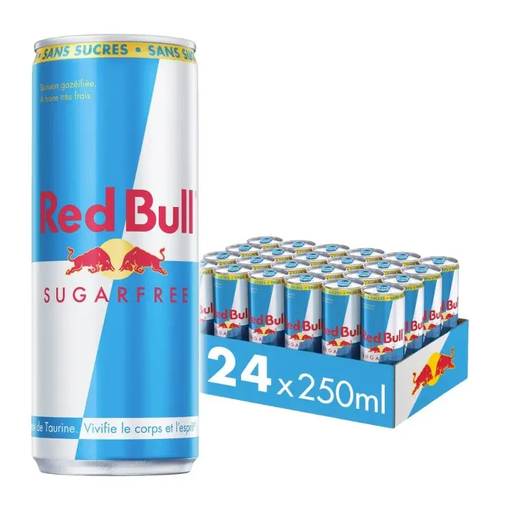
Why this choice suits this profile: The 250 ml format is easy to carry, while the pack of 24 cans works well for planned consumption at home or in the office.
The listing shows 0 g of sugars and 2 kcal per 100 ml. However, the caffeine content should still be taken into account before each purchase.
Compact cans, 24 units per pack, 0 g of sugars per 100 ml and a formula containing taurine and B vitamins.
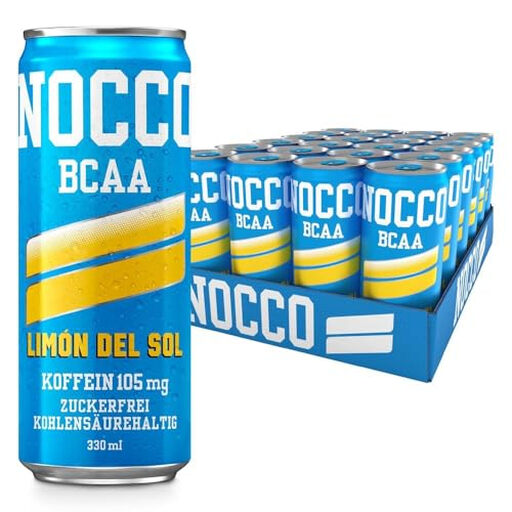
Why this choice suits this profile: Its 330 ml format combines a sugar-free BCAA drink with a stated caffeine content of 105 mg per can.
The listing clearly distinguishes the BCAA, caffeine and vitamins. However, you still need to check that this composition matches your intended use.
0 g of sugars, 4 kcal per can, 2,500 mg of BCAA stated per container and a pack of 24 cans.
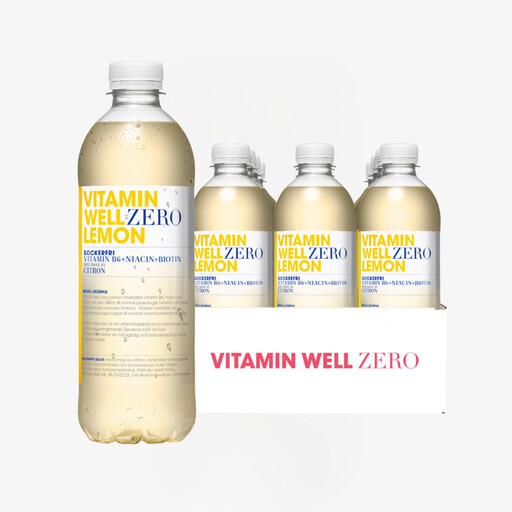
Why this choice suits this profile: Still and caffeine-free, this drink is suitable for people looking for flavoured hydration at work, on the go or throughout the day.
The absence of caffeine prevents confusion between a vitamin drink and an energy drink. The listing also shows 0 kcal and 0 g of sugars per 100 ml.
12 bottles of 500 ml, still drink, vitamins and minerals listed on the label, caffeine-free.
We've put together a comprehensive, real-time updated list of products that meet these strict selection criteria and comply with European safety regulations.
No. In zero-sugar energy drinks, sweeteners usually replace the sugar, which often reduces the energy content. However, a drink containing juice may show natural sugars and more calories, even without added sugars. Always check the nutritional information panel.
Before opening, follow the conditions stated on the packaging: most cans and bottles should be kept in a cool, dry place away from sunlight. After opening, some drinks need to be refrigerated and consumed within 24 hours. For Joker bottles, the listing recommends consumption within three days of opening.
They may both be free of sugars, but their format, flavour and caffeine content per container differ. A 250 ml Red Bull Sugarfree and a 500 ml Monster don't deliver the same total dose. Always compare the volume, caffeine, sweeteners and price per litre before making your choice.