
Livraison le jour même ou le lendemain

Qualité garantie

Débloquez vos offres de bienvenue: Livraison GRATUITE | Jusqu'à -80 % | 30 jours d'essai gratuits à JoyPlus
Téléchargez l'application
In the drinks aisle, the "?sugar-free?" label has become a go-to benchmark. Yet, behind this promise lies a much more nuanced reality. Between disappointing flavours, opaque ingredient lists, and calories playing hide-and-seek, finding a sugar-free drink that combines enjoyment with transparency can feel like an uphill battle. The challenge isn't just to avoid sugar, but to find a genuinely refreshing and pleasant drink without falling for the most common marketing traps.
Before you decide, here are the two key pitfalls to watch out for?:
To make an informed choice, don't just trust the big promise on the bottle. A few seconds spent analysing the ingredient list and the nutritional panel can make all the difference. Here are the key points to examine closely.
Not all drinks with sweeteners are created equal. The type of sweetening agent plays a crucial role in the taste and mouthfeel.
A well-designed recipe often combines several sweeteners to create a rounded flavour profile and avoid the "chemical" effect of a single, poorly managed ingredient.
A true 0-calorie drink shows an energy value close to zero per 100?ml. Two lines on the nutritional panel deserve your full attention?:
This simple check is enough to sort a refreshing low-calorie drink from a product that plays on words by replacing one type of sugar with another.
Forget endless lists. Here are our targeted suggestions, designed for specific tastes and needs.
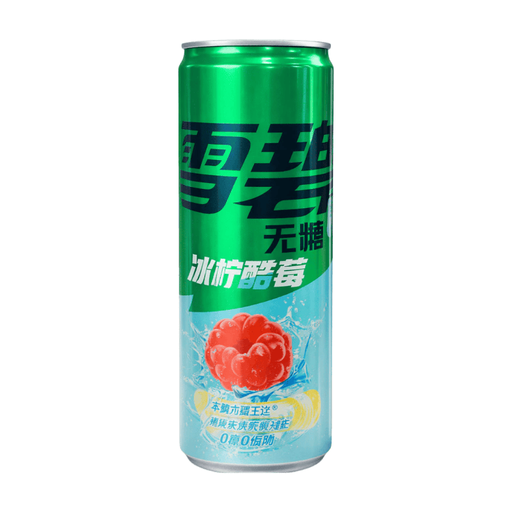
Why it's a match: For those seeking the fizzy, nostalgic pleasure of a sugar-free soda, but with a touch of originality. This version combines the zest of lemon with the sweetness of raspberry for a 100% pleasure, zero-guilt experience.
It bypasses the aftertaste pitfall with a masterful recipe that balances fruity flavours and freshness, erasing any artificial perception. The deal is clear : zero sugar and zero calories.
A direct and effective alternative to classic sodas. The " ice " or " iced " mention promises an extra icy kick, ideal for hot days or for post-workout recovery.
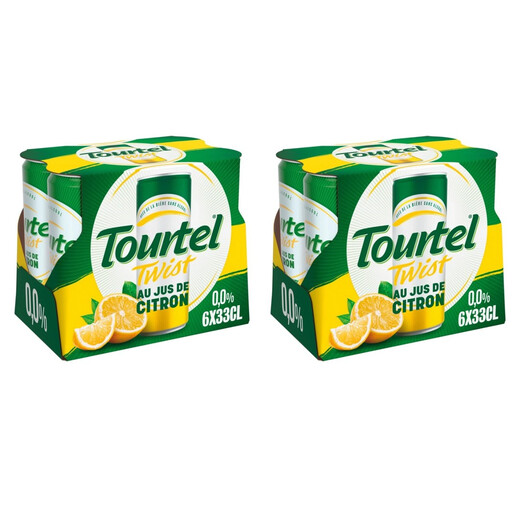
Why it's a match: Ideal for those looking for an alcohol-free and sugar-free drink for social gatherings. It offers a more grown-up alternative to sodas, with the zest of a flavoured beer, but without the alcohol or added sugars.
Many non-alcoholic beers compensate for a lack of body with sugar. Not this one : the formula is explicitly " sugar-free " and relies on sucralose. The result : just 9 kcal per 100 ml.
Very low in calories and made in France. Its fruity notes on a de-alcoholised beer base make it a more sophisticated option than a simple soda for an aperitif. Perfect with some salty snacks.
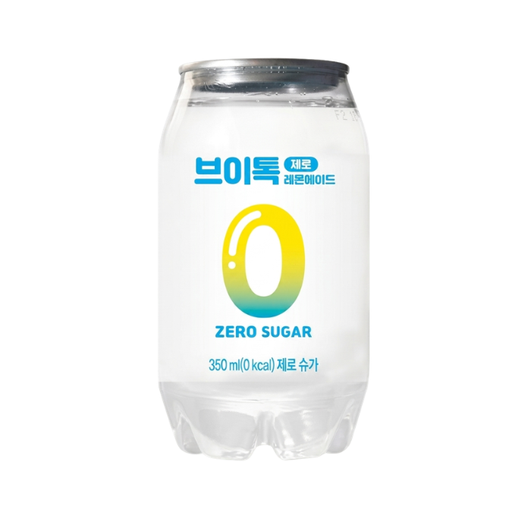
Why it's a match: For those tired of the classics and who want a true 0-calorie drink with an exotic twist. This Korean lemonade offers an intense citrus flavour and a crystal-clear ingredient list.
The " 0 kcal " promise holds true for the entire bottle, a fact rare enough to be highlighted. It uses erythritol, a sweetener with a very neutral taste, which allows it to dodge the chemical aftertaste trap.
The winning combo : zero calories, zero sugar, and a citrus flavour that's as fizzy as it is refreshing. Its Korean origin makes it a sharp, trendy choice for the curious.
Discover our complete selection of drinks that tick all the boxes: flavour, transparency, and zero hassle.
Yes, but with a regulatory nuance. In Europe, a product can be labelled "?zero calorie?" or "?no energy value?" if it contains less than 4?kcal per 100?ml. This value is so low that it's considered negligible in the context of a balanced diet. Hence the importance of always checking the nutritional panel to find out the exact value.
Sweeteners authorised in France and the EU have all been approved by health authorities, provided the acceptable daily intake (ADI) is respected. However, tolerance is individual. Some people may react poorly to certain polyols (like xylitol) if consumed in large quantities. Moderation and listening to your body therefore remain the best guides.
Sugar is a natural preservative. Its absence therefore makes these drinks more fragile once opened. The best practice?? Keep the bottle tightly closed in the refrigerator and drink it within 24 to 48 hours to best preserve its flavour and freshness.