
Livraison le jour même ou le lendemain

Qualité garantie

Débloquez vos offres de bienvenue: Livraison GRATUITE | Jusqu'à -80 % | 30 jours d'essai gratuits à JoyPlus
Téléchargez l'application
Cutting down on sugar in drinks isn’t just about spotting the words “zero sugar” on a can. Sweeteners, naturally occurring fruit sugars, caffeine and family-sized formats can all change the picture considerably. Whether you’re at home, in the office, playing sport or on the go, the smart move is to read the label carefully.
A fruit juice with no added sugar can still contain the sugars naturally present in the fruit. JOKER No Added Sugar Mixed Fruit Juice, for example, contains 9.2 g of sugar and 39 kcal per 100 ml. So it’s not a zero-sugar drink, even though no sugar has been added to the recipe.
The same logic applies to nectars. Don Simon Disfruta Pomegranate Nectar No Added Sugar contains 4.7 g of sugar per 100 ml, despite having no added sugar.
Sugar-free drinks typically replace sucrose with sweeteners. Aspartame, acesulfame-K, sucralose or steviol glycosides can affect the taste, so it’s worth a close look at the label.
VITA 0 SUGAR drinks, for instance, contain aspartame, acesulfame-K and sucralose. They also carry the mandatory warning “contains a source of phenylalanine”. Anyone affected should take this into account before buying.
A multi-pack of sugar-free drinks can lower the price per can, but it also takes up more space and might encourage mindless drinking. Check the total volume, the number of servings and the best-before date. For occasional use, a few single cans or a smaller pack will often be more suitable.
Start by looking at the nutritional information per 100 ml, then scale the figures up to the actual volume you’re drinking. A 330 ml can contains more than three times the amount listed for 100 ml.
By way of comparison, Pepsi Max Zero Sugar shows 0 g of sugar and 0.4 kcal per 100 ml, while Joker Engagé Multi-Fruit contains 11 g of sugar and 48 kcal per 100 ml.
For a fizzy drink, a sugar-free lemonade or a sugar-free iced tea, check which sweeteners are used. Some people prefer to avoid aspartame, while others are mainly looking for a caffeine-free recipe.
Cola-style sodas and some sugar-free energy drinks contain caffeine. NOCCO Lemon Del Sol provides 105 mg of caffeine per 330 ml can, plus vitamins and BCAA. That’s an amount worth watching, especially if you also drink coffee, tea or other caffeinated products during the day.
The format should fit your daily routine:
Once opened, some juices and nectars need to be kept in the fridge and consumed within three to five days. Fizzy drinks in individual portions are generally easier to manage: no need to keep an open bottle chilled.
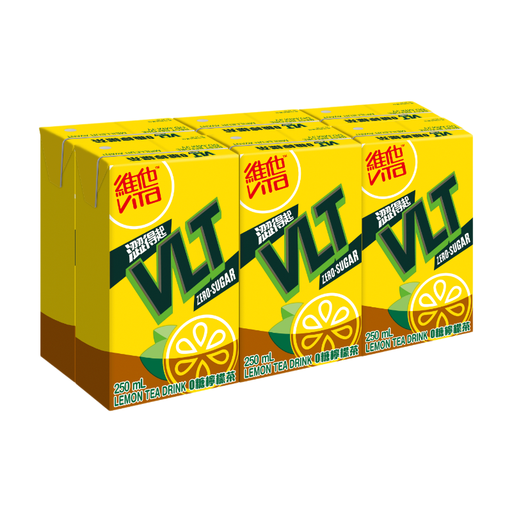
Why this choice suits this profile: This pack of six 250 ml cartons lets you try a sugar-free iced tea without committing to a large volume straight away. The cartons are easy to store in the fridge or a lunch bag.
The nutritional panel shows 0 g of sugar and 0 kcal per 100 ml. However, the presence of sweeteners and the source of phenylalanine should still be noted.
Six individual 250 ml portions, black tea and lemon recipe, ready-to-drink.
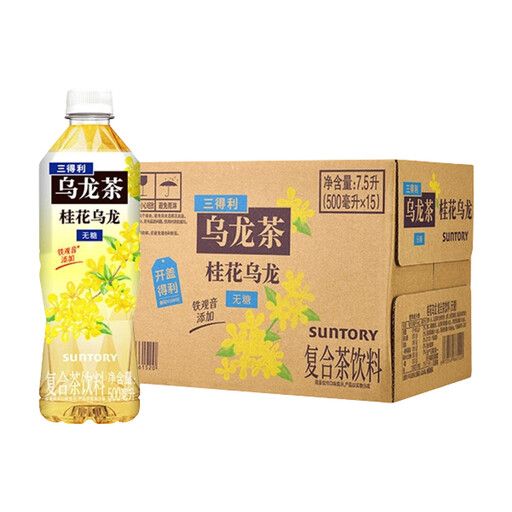
Why this choice suits this profile: This osmanthus oolong tea is aimed at those looking for a sugar-free drink with a more distinctive flavour profile than a standard soda or lemonade.
The product page states 0 g of sugar and 0 kcal per 100 ml, without adding any medical claims or unverifiable benefits.
Fifteen 500 ml bottles, oolong tea and osmanthus, a practical format for storing at home.
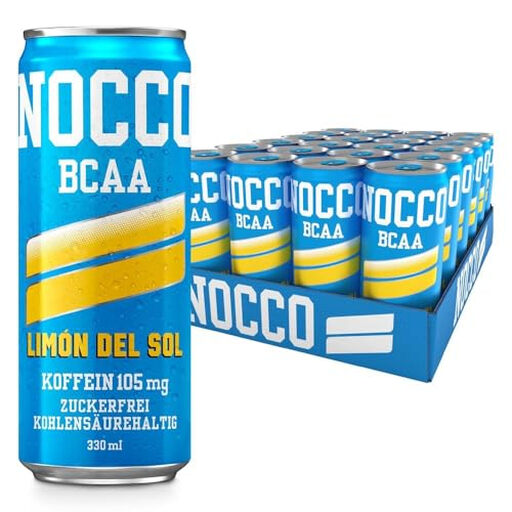
Why this choice suits this profile: This pack of 24 330 ml cans is ideal for anyone looking for a sugar-free energy drink to support their workouts or busy days.
The product page states 0 g of sugar and 4 kcal per can, but also 105 mg of caffeine. A useful detail to avoid confusing a sugar-free drink with one that’s suitable for all times of day.
24 cans, 2,500 mg of BCAA per can according to the product page, sugar-free and lightly carbonated recipe.
We’ve put together a comprehensive, real-time selection of products that meet these exacting standards, in line with European safety regulations.
When a drink carries the “zero sugar” claim, the nutritional panel must confirm a very low sugar content. However, be careful not to confuse sugars with sweeteners: a drink can contain no sugar at all while still tasting sweet thanks to these ingredients.
A sugar-free soda is typically made from carbonated water, flavourings, acidulants and sweeteners. A juice with no added sugar, on the other hand, contains the sugars naturally present in the fruit. The nutritional panel makes the distinction clear, especially the “of which sugars” line.
Always follow the instructions on the packaging. Juices and nectars generally need to be kept in the fridge and consumed within three to five days. For fizzy drinks, keeping them cold and drinking them quickly after opening helps preserve the taste and the fizz.