
Livraison le jour même ou le lendemain

Qualité garantie

Débloquez vos offres de bienvenue: Livraison GRATUITE | Jusqu'à -80 % | 30 jours d'essai gratuits à JoyPlus
Téléchargez l'application
Cutting back on traditional fizzy drinks doesn’t mean giving up on taste. From zero-sugar drinks and cold infusions to Japanese teas and vitamin drinks, there’s plenty to choose from. But marketing claims can make it hard to know what you’re getting: a drink described as “light” may still contain sugar, while a sugar-free recipe could combine several sweeteners or have a high caffeine content.
Here’s what to check before you buy, along with a selection to suit different everyday needs.
These terms don’t mean the same thing. Under EU regulations, the claim “sugar-free” means a product contains no more than 0.5 g of sugars per 100 ml. “No added sugars” doesn’t rule out sugars that occur naturally in the ingredients.
For calorie-free drinks, check the energy value per 100 ml and, for single-serve formats, per bottle or can. A drink containing 1 kcal per 100 ml provides around 3.3 kcal in a 330 ml can. The difference is minimal, but checking the label helps you avoid rough estimates.
A herbal infusion made with natural flavourings won’t necessarily have the same profile as a tea made with just one ingredient. Check the full ingredients list: sugar, syrup, concentrated juice, sweeteners, caffeine and preservatives can all significantly affect the final product.
Organic teas and infusions should also display the EU organic logo and the code of the certifying body. This certification relates to how the ingredients are produced; it doesn’t make any promise about wellbeing or medical benefits.
Buying in bulk can bring down the price per serving, but you’ll need enough space and should be able to drink it regularly. Open bottles and cans often need to be kept in the fridge and consumed quickly. If you want a drink to take with you, compare the volume, total weight and ease of carrying it, rather than looking at the pack price alone.
If you’re replacing a fizzy drink, always compare the figures per 100 ml. A lightly sweetened iced tea such as WANT WANT Ice Black Tea contains 4.2 g of sugars and 19 kcal per 100 ml. It’s therefore a low-sugar drink, not a zero-sugar one.
By contrast, Coca-Cola Zero is listed as containing 0 g of sugars and around 1 kcal per 330 ml can, according to the information provided. Its recipe includes aspartame, acesulfame-K and steviol glycosides. If you need to monitor your phenylalanine intake, take note of the aspartame warning.
Sugar-free fizzy drinks and lemonades often use sucralose, acesulfame-K or erythritol. Taste and tolerance can vary from person to person. For so-called functional drinks, focus on the actual amounts of vitamins, minerals and caffeine per serving.
Vitamin Well Zero Lemon and Zero Raspberry contain vitamins and minerals listed on the label. This information describes the product’s composition, but is no substitute for medical advice or a varied diet. Energy drinks such as Monster Ultra White deserve particular attention because they’re listed as containing 150 mg of caffeine per 50 cl can.
A cold infusion adds flavour to water without adding sugar. Unsweetened Japanese tea is a ready-to-drink option, while a herbal teabag is more practical at home or at work. For Asian instant drinks, check the recommended quantity and the number of servings per pack.
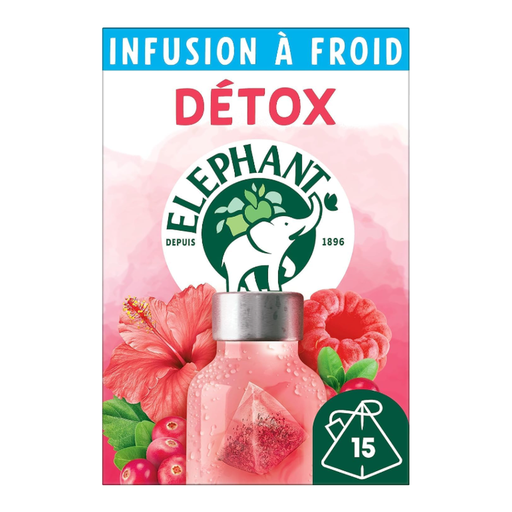
Why it suits this need : This box is an easy way to try sugar-free drinks in the form of a cold infusion, with no special equipment needed. Simply leave one teabag to infuse in 500 ml of cold water for five minutes.
The product details describe a recipe with no sugar, calories or caffeine. So this isn’t a sweetened iced tea simply being marketed as light.
15 biodegradable, compostable pyramid teabags, according to the product information, with notes of cranberry, raspberry and hibiscus.
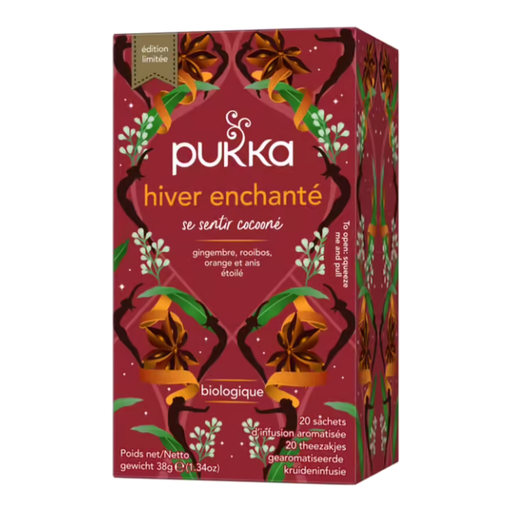
Why it suits this need : If you enjoy thoughtfully crafted herbal blends, you’ll appreciate this organic mix, with notes of ginger, orange, aniseed and rooibos.
The product details state that the ingredients are 100 % organically grown and that the recipe is naturally caffeine-free.
20 individually wrapped teabags, organically grown ingredients and a blend made without added sugar, according to the information provided.
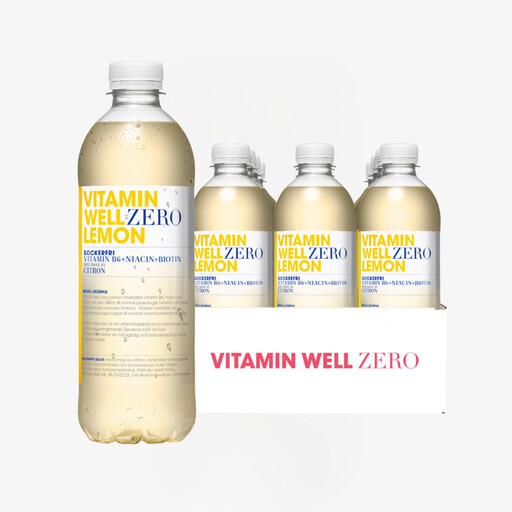
Why it suits this need : A pack of 12 50 cl bottles is handy for the office, on the go or for spreading your drinks over several days.
The product details state that it contains 0 g of sugars, 0 kcal and 0 g of carbohydrates per 100 ml. The individual bottles also make it easier to manage portions.
Lemon and lime flavourings, vitamins C, D, B6 and B12 listed in the ingredients, and bottles made from 100 % recycled plastic according to the product details.
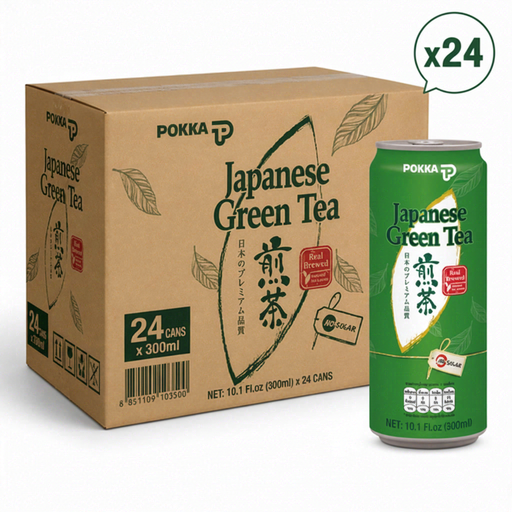
Why it suits this need : This ready-to-drink Japanese tea is ideal if you want to swap a sugary drink for a simple option to take with you.
The product details describe a drink made with freshly brewed green tea, with no sugar or calories, and no syrup or sweetener listed.
A ready-to-drink format, 300 ml per bottle according to the description, and a short ingredients list of water, green tea and vitamin C.
We’ve brought together a complete selection, updated in real time, of products that meet these exacting criteria and European food safety rules.
Not necessarily. Sweeteners, flavourings and some other ingredients may provide a small amount of energy. Check the “energy” value per 100 ml and take account of the total amount you drink.
They can be part of a varied routine, but water is still the best choice for simple hydration. Alternating between water, unsweetened tea, infusions and sugar-free drinks can also help keep things interesting. For caffeinated and energy drinks, keep an eye on your total caffeine intake throughout the day.
Follow the instructions on the packaging. Many ready-to-drink products need to be refrigerated after opening and consumed within 24 to 72 hours. Keep tea bags and dried infusions in a dry place at room temperature, away from strong smells.