
Livraison le jour même ou le lendemain

Qualité garantie

Débloquez vos offres de bienvenue: Livraison GRATUITE | Jusqu'à -80 % | 30 jours d'essai gratuits à JoyPlus
Téléchargez l'application
Cutting down on sugar doesn’t have to mean giving up refreshing drinks. Sodas, zero colas, green tea, Asian beverages or plant-based alternatives can all have a place at home, in the office or at an event. The trick is to look beyond the big promises on the packaging and read the label carefully.
A sugar-free soda may contain aspartame, acesulfame-K, cyclamate or steviol glycosides. These ingredients replace sugar, but they don’t replicate the taste of a classic drink exactly. The “zero” claim primarily indicates the absence of sugars and a very low energy value according to the nutritional table: it doesn’t guarantee a recipe free from additives.
If you need to avoid aspartame, look out for the phrase “contains a source of phenylalanine”, which appears on several Coca-Cola Zero and Coca-Cola Light products.
The term “Light” can give the impression of a reduced-calorie drink. However, the right habit is to check the values per 100 ml and per serving. A 33 cl can of Coca-Cola Light, showing around 1 kcal and 0 g of sugars, can’t be compared in the same way to a plant-based drink or a sweetened tea.
A large multipack often brings the unit price down, but it takes up more space and assumes you’ll drink it regularly. Mini cans and individual cartons, on the other hand, are better suited for occasional consumption or portion control.
Once opened, fizzy drinks generally need to be kept in the fridge and consumed quickly to preserve their taste and fizz. Always check the date and the instructions on the packaging.
To compare sugar-free drinks, start with the “carbohydrates” and “of which sugars” lines. A truly sugar-free drink should show a zero value or meet the regulatory thresholds for the claim used. To compare several products objectively, always base it on the same quantity: 100 ml, one can or one glass.
Be wary of drinks that seem light but contain sugar or syrup. MOGU MOGU blackcurrant with nata de coco, for example, contains 13 g of sugars per 100 ml. Its appeal lies in its texture and pieces of nata de coco, not in being sugar-free.
The ingredients list helps you tell the difference between a sweetened fizzy drink, a plain tea or a plant-based drink. Sugar-free Coca-Cola products contain sweeteners and caffeine. A soya drink, meanwhile, contains soya, an allergen that must be clearly labelled.
For Asian drinks, also check the country of origin, the responsible operator in the European Union and the storage instructions. This information is particularly useful when the product is imported.
Plain green tea, like Otsuka Do Yunomi, has a particularly simple composition: green tea leaves, with no sugar shown in the nutritional values. Just be careful not to confuse it with a pre-sweetened tea drink.
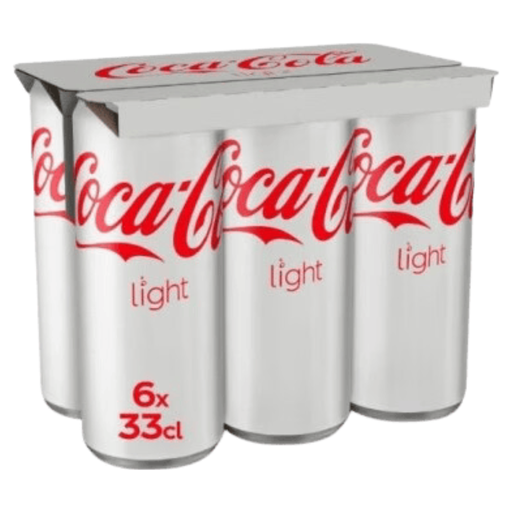
Why this choice suits this profile: The pack of six 33 cl cans lets you try the drink without buying a large volume straight away. A practical format for home and the office.
The nutritional table shows 0 g of sugars and around 1 kcal per 33 cl can. However, the presence of sweeteners and phenylalanine should still be noted.
Individual cans, 0 g of sugars according to the product sheet, and easy storage in a cool, dry place.
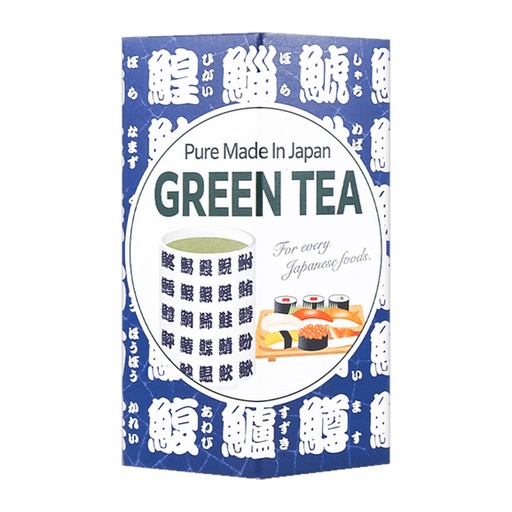
Why this choice suits this profile: This Japanese green tea in bags is aimed at those looking for a short ingredients list and a careful preparation, whether at home or at work.
This product doesn’t rely on the promise of a “miracle” drink: its composition is simply green tea leaves. The infusion needs to be prepared yourself.
Around ten 3 g bags, 0 g of sugars indicated per serving, and a format that’s easy to take with you.
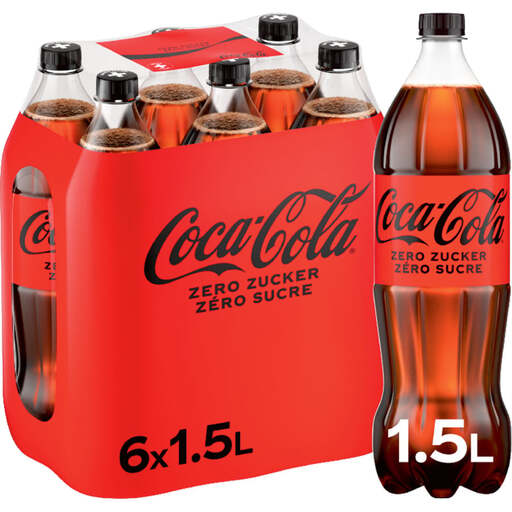
Why this choice suits this profile: This large pack of bottles is aimed at households that drink cola regularly or host meals and gatherings.
The total volume is clearly stated: six 1.5 L bottles. This lets you compare the price per litre and avoid confusing a promotional offer with genuine savings.
0 g of sugars per 100 ml according to the product sheet, and bottles suitable for serving at the table or sharing.
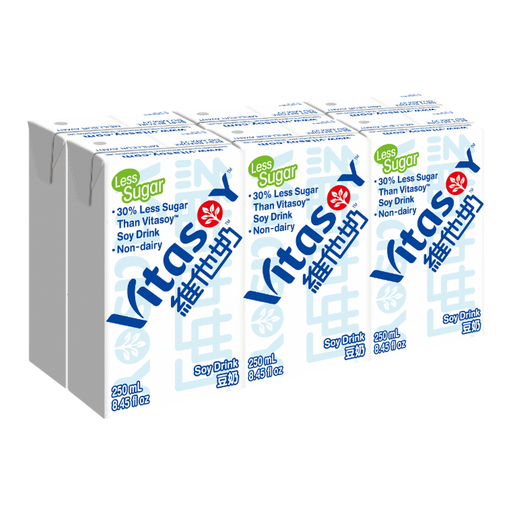
Why this choice suits this profile: The six individual cartons slip easily into a bag and work just as well with breakfast as with a break during the day.
The phrase “less sugar” doesn’t mean “sugar-free”. The product sheet clearly shows the presence of sugar and soya: two things to check before ordering.
Six 250 ml servings, a soya-based drink and a practical format that needs to be refrigerated after opening.
Some products show 0 g of sugars per 100 ml, including several Coca-Cola Zero and Coca-Cola Light options featured here. However, always take the time to check the label on the product you receive: recipes, formats and distribution markets can vary.
Both are sugar-free fizzy drinks, but their recipe and taste profile differ. Coca-Cola Zero is generally associated with the original taste of Coca-Cola, while Coca-Cola Light is based on a distinct formulation. The choice therefore comes down to your personal preference and which sweeteners you’re happy with.
An opened fizzy drink should be kept in the fridge and ideally consumed within two to three days, following the manufacturer’s instructions where necessary. Plant-based drinks and ready-to-drink teas may have different guidelines. For imported products, rely on the use-by date or best-before date shown on the packaging.