
Livraison le jour même ou le lendemain

Qualité garantie

Débloquez vos offres de bienvenue: Livraison GRATUITE | Jusqu'à -80 % | 30 jours d'essai gratuits à JoyPlus
Téléchargez l'application
Sugar-free drinks can serve very different needs: accompanying a meal, occasionally replacing a classic fizzy drink, stocking up at home, or offering a refreshing option at a gathering. The problem is that the packaging doesn't always tell the full story. Between "sugar-free", "no added sugars" and "low in calories", the nuances can genuinely change the product you end up choosing.
Before you head to the checkout with a multipack, there are three traps that are particularly easy to avoid.
To compare zero-sugar fizzy drinks, a zero-sugar lemonade or a calorie-free soft drink, start by checking the "of which sugars" line on the nutritional information panel. Several products labelled as sugar-free show 0 g of sugars per 100 ml, with a very low energy value.
Conversely, "no added sugars" does not necessarily mean "sugar-free". The Don Simon Disfruta multi-fruit nectar, for example, contains 4.2 g of sugars and 20 kcal per 100 ml. Joker multi-fruit juices also contain the sugars naturally present in the fruit, with around 47 to 48 kcal per 100 ml depending on the variant.
A sugar-free recipe may contain aspartame, acesulfame-K, sucralose, steviol glycosides or other approved sweeteners. This is generally what allows it to maintain a sweet taste despite having 0 g of sugars.
Products containing aspartame must display a warning about being a source of phenylalanine. This is the case for several VITA products and the zero-sugar colas featured here. People with phenylketonuria should therefore read the label carefully and, if necessary, seek advice from a healthcare professional.
Caffeine is also worth a look. A sugar-free energy drink like NOCCO Lemon Del Sol contains 105 mg of caffeine per 330 ml can, according to its product listing. So it's in a different league to a simple sugar-free iced tea.
For everyday use, look at both the total volume and the number of units:
A product showing 0 kcal is not automatically the best choice in every situation. Taste, fizz, caffeine, the type of sweetener and the packaging can all matter just as much.
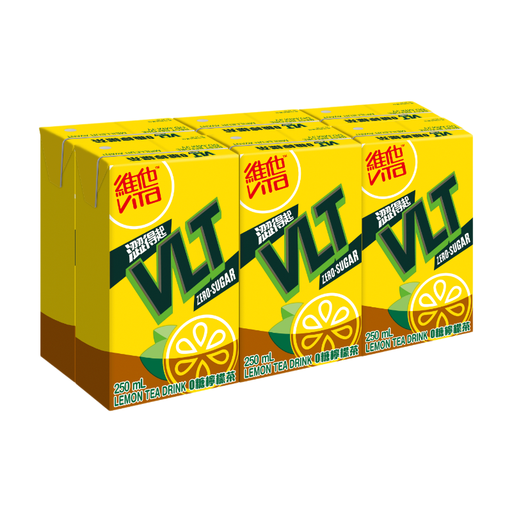
Why this choice suits this profile: With six 250 ml cartons, this multipack lets you try lemon tea without committing to a large quantity straight away.
The listing states 0 g of sugars and 0 kcal per 100 ml. However, the presence of sweeteners and the phenylalanine warning should still be checked.
Black tea and lemon, six individual portions, ready-to-drink format.
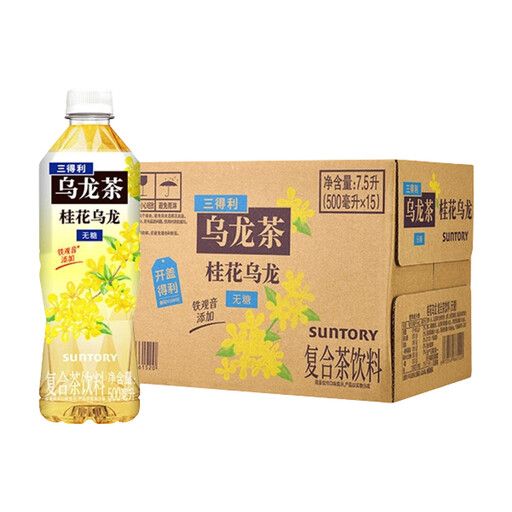
Why this choice suits this profile: This multipack of 15 x 500 ml bottles is aimed at those who enjoy a more distinctive tea-based drink than standard fizzy drinks.
The listing states 0 g of sugars and 0 kcal per 100 ml, with no medical claims to extrapolate beyond this data.
Oolong tea, osmanthus aroma, 500 ml bottles and a total volume of 7.5 L.
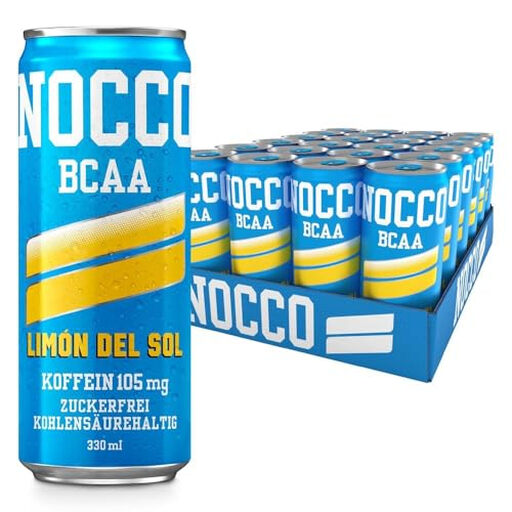
Why this choice suits this profile: Its 24-can multipack targets consumers looking for a sugar-free energy drink with caffeine and added ingredients.
The caffeine content is stated as 105 mg per can. This helps avoid confusing this functional drink with a simple fizzy drink.
0 g of sugars, 4 kcal per can, 2,500 mg of BCAA and six vitamins listed on the product page.
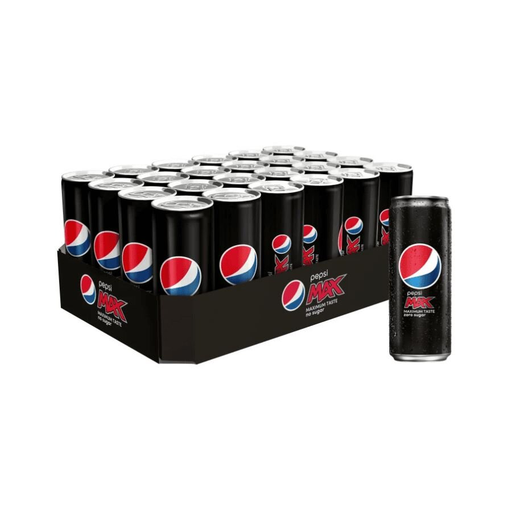
Why this choice suits this profile: With 24 x 330 ml cans, this pack is suitable for meals, sharing and building up a stock.
The nutritional information shows 0 g of sugars and 0.4 kcal per 100 ml. The listing also notes the presence of caffeine and a source of phenylalanine.
330 ml cans, family pack, fizzy drink and easy storage at room temperature.
We've compiled a comprehensive, real-time selection of products that meet these exacting criteria and comply with European safety regulations.
No. It all depends on the recipe and the ingredients used. Many zero-sugar fizzy drinks show between 0 and 2 kcal per 100 ml, whereas a drink containing fruit or juice can be more calorific, even without added sugars. The key habit to adopt: check the "energy" line on the nutritional information panel.
No. A multi-fruit juice with no added sugars can contain the sugars naturally present in the fruit. Zero-sugar fizzy drinks generally use sweeteners to maintain a sweet taste while showing 0 g of sugars. So they don't serve the same purpose.
Before opening, follow the date and storage conditions stated on the packaging. A cool, dry place away from light is often recommended. After opening, put bottles in the fridge when the product page advises it and consume them within the stated time, usually two to five days depending on the product.