
Livraison le jour même ou le lendemain

Qualité garantie

Débloquez vos offres de bienvenue: Livraison GRATUITE | Jusqu'à -80 % | 30 jours d'essai gratuits à JoyPlus
Téléchargez l'application
Cutting down on sugar has become a priority for many of us, whether for health reasons, to manage our weight, or simply as a personal choice. In response to this trend, supermarket shelves are overflowing with drinks and treats labelled "sugar-free". But how do you navigate this jungle of options? As the Head of Product Curation at Joybuy, I'm here to help you decode the labels and make the right choices.
The sheer number of options can quickly lead to disappointment. Here are the most common pitfalls to avoid:
To make an informed choice, focus on a few key criteria.
Relying on the packaging alone isn't enough. To find the perfect gem, whether it's a healthy drink alternative or a confection, you need to play detective and inspect the label.
Not all sugar substitutes are created equal. Their type directly influences not only the taste but also your digestion.
Beyond the "sugar-free" claim, the product's overall composition says a lot about its quality.
The packaging is also a purely practical consideration. An individual can is perfect for a refreshing on-the-go break, while a 75 cl bottle is ideal for the dinner table. For drinks with friends, a pack of alcohol-free and sugar-free beer is a smart and sociable option.
To put theory into practice, here is our selection of products that tick all the boxes and meet specific needs.
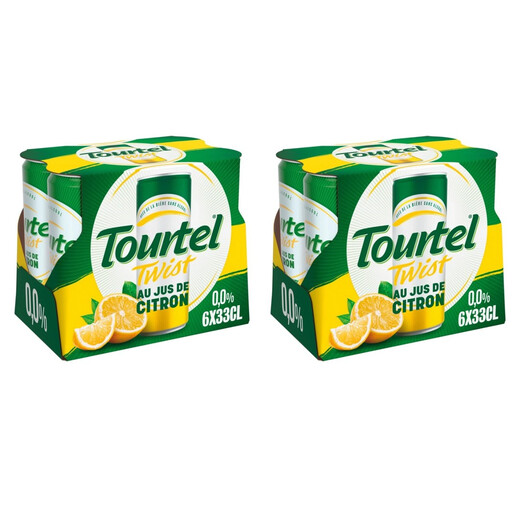
Why it's a great choice: It's the perfect alternative for a refreshing, adult-style aperitif without the alcohol or sugar. Ideal for raising a glass with everyone without compromising on your dietary goals.
The taste is perfectly balanced thanks to real lemon juice and sucralose, which eliminates any chemical aftertaste. It's a genuinely low-calorie drink (only 9 kcal/100 ml).
It combines the character of an alcohol-free beer with the zesty freshness of lemon. And it's all made in France.
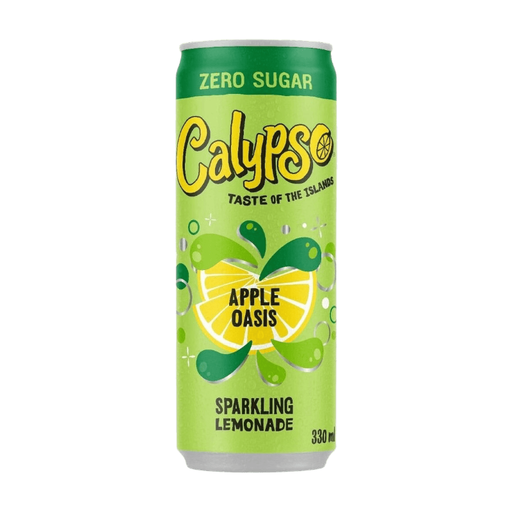
Why it's a great choice: Perfect for fans of fruity sodas who want an indulgent alternative for their refreshment break. Its can format is ultra-convenient for taking anywhere.
This sugar-free lemonade is a true zero-calorie drink. The combination of sucralose and acesulfame K ensures a clean and direct sweet taste, without the associated sugar and calories.
A unique flavour combination of crisp apple and zesty lemon. A fizzy, thirst-quenching drink with no sugar, no carbs, and no fat.
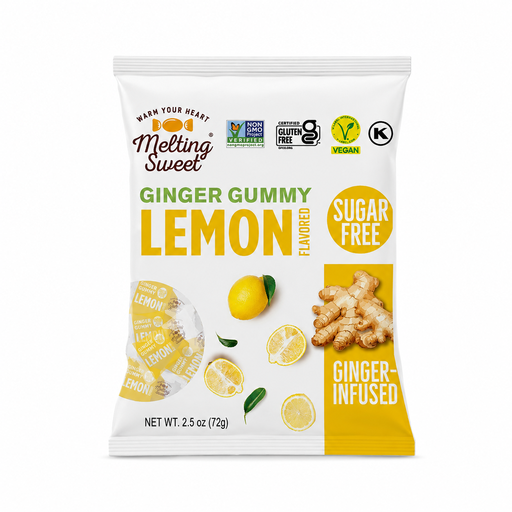
Why it's a great choice: For those looking to satisfy a sweet craving with a treat that has a more mature and original flavour. These gummies offer a complex and pleasant taste, a far cry from classic sweets.
The packaging is very transparent. This is indeed a sugar-free sweet made with polyols, and the warning about potential laxative effects from excessive consumption is clearly stated.
Contains 5% real ginger for an authentic and natural kick. The individual pouch is perfect for controlled, on-the-go consumption.
We've put together a complete selection of products that meet our demanding selection criteria.
Replacing classic sodas with a sugar-free or zero-calorie drink does help reduce your overall calorie intake, which is a key factor in weight management. Of course, this must be part of a balanced diet and a healthy lifestyle. These drinks aren't a miracle solution, but they are an excellent tool for indulging without the guilt.
The most common ones are sucralose, acesulfame-K, aspartame, and steviol glycosides (from stevia). In confections like sugar-free gummies, you'll mostly find polyols (maltitol, sorbitol, isomalt...). It's worth noting that when consumed in excess, the latter can cause digestive issues. A warning is always present on the relevant packaging.
They can be a good option for limiting their sugar intake, as long as they are consumed in moderation. Be sure to check the ingredient list to avoid certain artificial colourings (the warning "may have an adverse effect on activity and attention in children" is mandatory for some of them). The warning about the laxative effects of polyols applies just as much to younger children.