
Livraison le jour même ou le lendemain

Qualité garantie

Débloquez vos offres de bienvenue: Livraison GRATUITE | Jusqu'à -80 % | 30 jours d'essai gratuits à JoyPlus
Téléchargez l'application
Navigating the beverage aisle can be a real headache when you're trying to cut down on sugar. Between labels full of promises and marketing jargon, it's easy to feel lost. The appeal of a sugar-free drink is stronger than ever, but not all options are created equal. Some products, despite being marketed as healthy alternatives, can hide unexpected calories or simply disappoint with their taste.
As a product expert at Joybuy, my mission is to help you see things more clearly. Let's break down the most common pitfalls together, so you can make an informed choice that truly fits your expectations and lifestyle.
Before you fill your cart, it's crucial to understand the subtleties hidden behind the packaging.
To make the right choice, focus on two key criteria that determine the quality and suitability of a light drink.
The taste profile of a sugar-free drink largely depends on the sweetener used. Here are the most common ones:
Identifying the sweetener on the label will help you anticipate the taste and choose a drink that matches your preferences.
The world of sugar-free drinks extends far beyond sugar-free sodas. Exploring different categories can open up new possibilities:
Rather than an endless list, we've selected a few products that perfectly meet specific needs, based on the criteria we've just discussed.
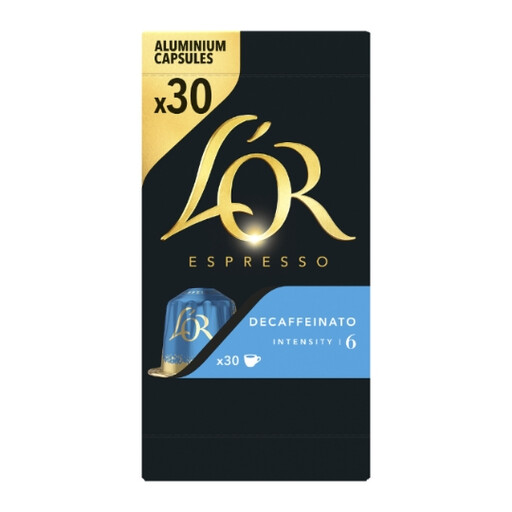
Why we recommend it: Ideal for those who love the ritual of a good post-dinner espresso, but without the caffeine. It allows you to enjoy a true moment of relaxation without compromising your sleep quality.
This coffee is a true zero-calorie and sugar-free product. It delivers on its promise: only the coffee's aromas are preserved, with no unnecessary additives.
It offers all the aromatic richness of a genuine espresso, with its notes of cocoa and dried fruit, in a convenient decaffeinated format.
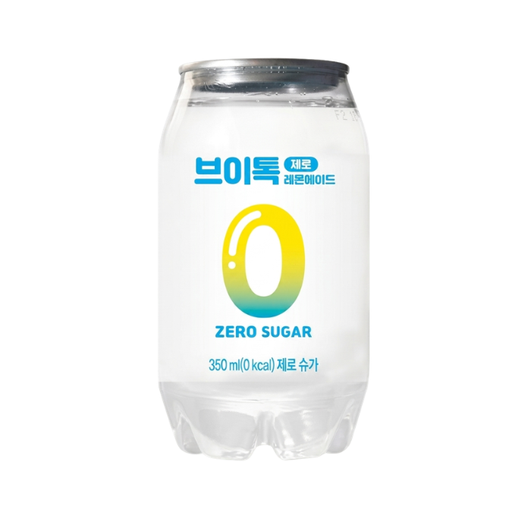
Why we recommend it: For those who want the pleasure of a fizzy, flavourful soda, but without the sugar or calories. It's the perfect modern and thirst-quenching alternative to classic sugary drinks.
The 0 kcal claim is clearly displayed and delivered. The drink uses erythritol, a sweetener that provides a clean, sweet taste without the chemical aftertaste often associated with other substitutes.
A sparkling drink with a great tangy lemonade taste, truly zero-calorie, that offers a refreshing break anytime during the day.
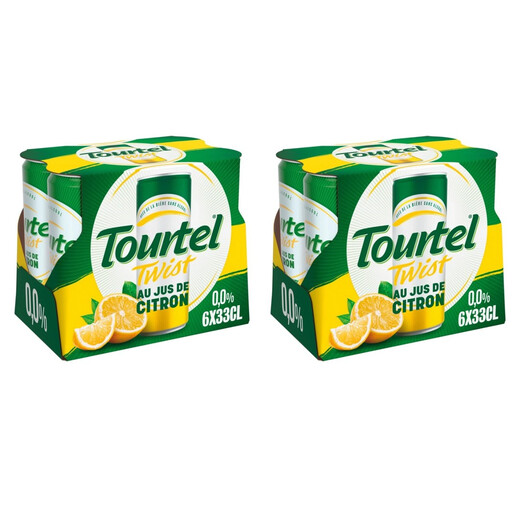
Why we recommend it: Perfect for social gatherings when you want a festive drink without alcohol or sugar. It's the ideal alternative for a guilt-free toast.
This alcohol-free and sugar-free beer is also very low in calories (only 9 kcal/100ml). Its composition is transparent, combining the pleasure of a flavoured beer with the benefits of a healthy drink.
It combines the freshness of lemon with the character of a beer, all with 0.0% alcohol and no added sugars.
We have compiled a complete and up-to-date list of products that meet these selection criteria and current regulations.
Generally, yes. Drinks containing sweeteners like stevia, erythritol, or sucralose have little to no impact on blood sugar, making them compatible with a ketogenic diet. However, it's always recommended to check the label to ensure there are no hidden carbohydrates.
A "sugar-free" drink contains less than 0.5g of sugar per 100ml. However, it can still contain calories from other sources. A low-calorie drink, on the other hand, must contain fewer than 20 kcal per 100ml. Therefore, a product can be "sugar-free" without necessarily being "low-calorie," and vice versa.
A decaffeinated coffee is not completely devoid of caffeine, but it contains only a trace amount. The decaffeination process removes over 97% of the caffeine, leaving only a minimal residual dose. This makes it perfectly suitable for evening consumption or for people who are very sensitive to its effects.