
Same-day & Next-day Delivery

Quality Guaranteed

Unlock Your Welcome Offers: FREE Delivery | Up to 80% OFF | Free 30-day JoyPlus trial
Download the APP
With an overwhelming number of options on the market, finding a sugar-free drink that delivers on both taste and transparency can be a real challenge. Labels often make bold claims with terms like "light," "zero," or "natural," but the reality is usually more complex. As a Product Expert at Joybuy, my role is to help you see through the noise and make informed choices. Here are the most common traps to watch out for and the key criteria to check.
Beverage marketing is often misleading. Trusting front-of-pack promises without checking the details is a recipe for disappointment.
To avoid being misled, simply focus on two or three key points on the label. These indicators will give you a clear picture of what you're actually drinking.
The distinction is fundamental. A drink can be:
Don't rely solely on the big marketing claims on the packaging. The nutritional information panel is your best friend. Always check the energy value per 100?ml. A truly "light" or "zero" drink will show a kilocalorie (kcal) count close to zero. This allows you to objectively compare a sugar-free soda with a fruit nectar, for example.
A short, understandable ingredient list is often a sign of quality. If you're looking for a more natural drink, opt for products with as few additives, colourings, or preservatives as possible. You'll often find a common base: water, fruit juice from concentrate, natural flavours, and a sweetener.
There's a sugar-free drink for every craving. Here are a few options that meet specific needs, selected based on the criteria we've just covered.
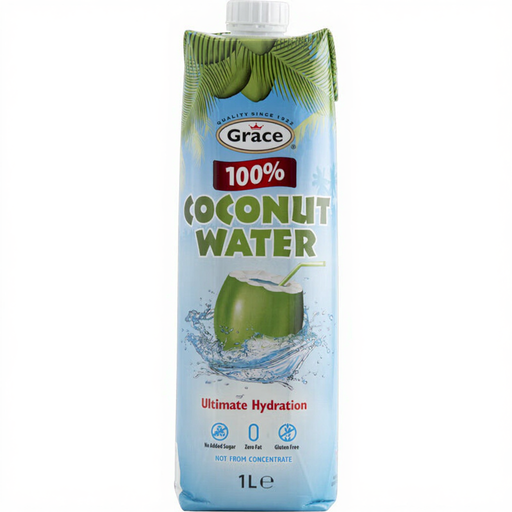
Why we love it : Perfect for those seeking an ultra-simple drink with just one ingredient: coconut water. It's a pure source of hydration, free from additives, sweeteners, or artificial flavours, providing only the fruit's natural sugars.
There's no lengthy ingredient list or flavours masking a complex formula here. The transparency is absolute.
A 100% pure coconut water composition. Simple, no-frills hydration at its best.
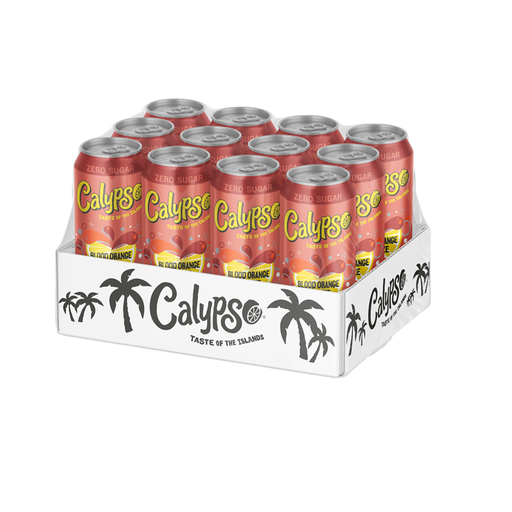
Why we love it : It delivers all the pleasure of a fizzy, intensely flavoured drink, but without the sugar or calories. The ideal choice for a refreshing, indulgent break that won't add to your calorie count.
Its "Zero Sugar" claim is unambiguous: the drink is sweetened (with sucralose and acesulfame-K) and contains no hidden sugars, unlike some misleadingly "light" juices.
Zero calories, zero sugar. An intense taste and bubbles for completely guilt-free enjoyment.
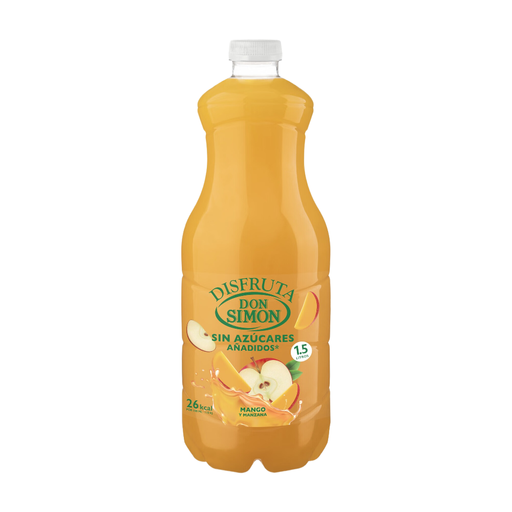
Why we love it : It combines the sweetness of fruit without any added refined sugar. An excellent alternative for nectar lovers who want to control their added sugar intake while accepting a moderate calorie count (26 kcal/100ml).
The "No Added Sugar" label is honest: the sweet taste comes exclusively from the fruit. This avoids the trap of hidden glucose syrups found in many other fruit drinks.
An authentic fruity taste with 50% fruit juice, and a sugar content limited to what's naturally present in the fruit.
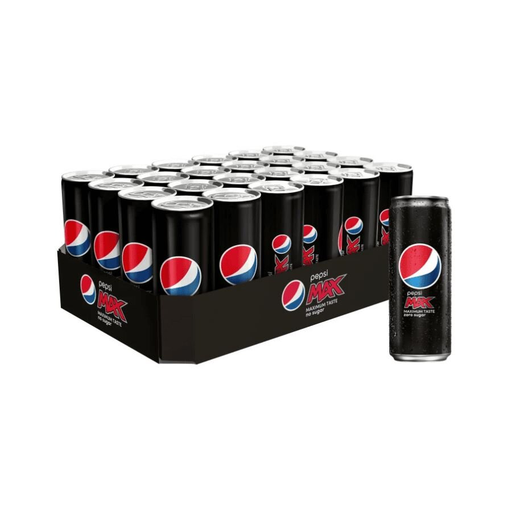
Why we love it : An economical and convenient pack format, ideal for families or for always having a sugar-free soda on hand. The iconic cola taste is all there, but without the calories from sugar.
This product gets straight to the point: a zero-sugar soda, with no ambiguity. The pack format helps manage consumption and avoid impulse buys.
An economical format (24-pack) and a timeless cola flavour, all with zero sugar and a virtually non-existent calorie count.
We have curated a full range of products that meet these quality standards.
A "sugar-free" drink contains a tiny amount of sugar (less than 0.5g/100ml) and gets its sweet taste from sweeteners. A "no added sugar" drink has not had any refined sugar added, but it does contain the natural sugars from its ingredients (like those from fruit). Its calorie count can therefore be higher.
Sweeteners authorised in Europe (such as aspartame, sucralose, and stevia) have all been approved by health authorities. They are considered safe, provided the recommended daily intake is not exceeded. Their consumption remains a personal choice, depending on individual preferences and sensitivities.
Most drinks, especially juices and sodas, should be kept in the refrigerator after opening. It is best to consume them within 2 to 4 days to best preserve their taste and fizziness. The best course of action is always to follow the specific instructions on the packaging.