To add chocolate to a Christmas bake, first choose an ingredient that suits the recipe — chocolate chips, a bar or cocoa powder — rather than an assortment box. Then compare the sugar claim, nutritional values per 100 g, ingredients and allergens: ‘no added sugar’ does not mean ‘sugar-free’ or ‘calorie-free’. An assortment box may still be suitable if the ingredients in each chocolate and how it behaves in the recipe are right for your intended use.
Who is this choice for?
People keeping an eye on declared sugars
If you’re making a Christmas dessert with less added sugar, check the exact claim on the packaging, then look at the ‘of which sugars’ line per 100 g. The phrase ‘sugar free’ is no substitute for this information.
People following a specific recipe
Chocolate chips to stir into a mixture, a bar to chop and cocoa powder all serve different purposes. Choose the format to suit the step specified in your recipe.
People who check what they serve to guests
Some products contain maltitol or soya, and allergens and possible ‘may contain’ warnings vary from product to product. Check the packaging of the product you’re using before making a dessert to share.
What should you check before buying?
Start by considering what the chocolate needs to do in your recipe, then compare the sugar claims and the ingredients in the product you’re considering. With an assortment box, you’ll need to check each piece you plan to use.
Chocolate chips
Choose these if: the recipe calls for pieces to be stirred straight into a mixture.
Check: the ingredients and amount of polyols, even if the stated sugar content is low.
Chocolate bar
Choose this if: you want to chop the chocolate or your recipe calls for it to be melted.
Limitation: a bar intended for eating isn’t necessarily designed for baking, so check that it’s suitable for your recipe.
Unsweetened cocoa powder
Choose this if: your recipe uses cocoa powder in a mixture or cream and lets you measure the other ingredients separately.
Limitation: cocoa powder isn’t a like-for-like substitute for melted chocolate; follow the quantities specified in your recipe.
| Criteria |
What to check |
Who is this for? |
| Sugar claim |
Compare the exact claim, the ‘of which sugars’ line per 100 g and the ingredients list. |
If the declared sugar content is your main concern for a recipe, the claim on the front isn’t enough: around 36% of consumers make this their top priority. |
| Baking format |
Check whether the recipe calls for chocolate chips, chocolate to chop or melt, or cocoa powder. |
When you need to stir in pieces or make a melted mixture, the format affects how you prepare it. This is the top priority for around 29% of consumers. |
| Polyols and allergens |
Read the ingredients, allergens and warnings, particularly those about excessive consumption of polyols. |
If you’re sharing the dessert, knowing exactly what each product contains matters more than its format for around 21% of consumers. |
| Taste and nutritional values |
Check the energy, sugars and fat per 100 g, as well as the amount used in the recipe. |
To get the taste and texture you want without judging the product on sugar alone, around 14% of consumers put this balance first. |
Mistakes to avoid
-
Using an assortment box as baking chocolate
Filled chocolates or pieces with different ingredients can make it harder to measure quantities and identify what each one contains.
For a recipe, choose a format with ingredients suited to the intended use. If you use an assortment, check each chocolate you add.
-
Assuming a low sugar content means fewer calories
Product listings checked at Auchan show 454 kcal per 100 g for a Gerblé no-added-sugar bar and 513 kcal per 100 g for a Karéléa sugar-free bar.
Compare the nutritional information per 100 g and the amount your dessert actually calls for, rather than relying on the claim on the front of the pack.
-
Forgetting about polyols and allergens
According to its Auchan product listing, Sainte Lucie chocolate chips contain maltitol and soya lecithin; the packaging warns that excessive consumption may have a laxative effect.
Check the ingredients, allergens and warnings on the product you buy, especially if you’re switching products for a recipe intended to serve several guests.
Brands to know for these formats
These examples refer to specific products, not every product made by each brand.
Gerblé
A dark chocolate bar with no added sugar to consider if your recipe calls for chocolate to break up or melt.
- Carrefour and Auchan product listings describe a bar containing at least 51% cocoa.
- The product contains maltitol and has 1.5 g of sugars per 100 g according to the product listing; check its allergen information too.
Karéléa
A 72% cocoa dark chocolate bar for recipes suited to this format.
- The Auchan product listing gives maltitol and inulin among its ingredients.
- This isn’t a chocolate chip format; check the nutritional values and ingredients list before adding it to a recipe.
Sainte Lucie
Dark chocolate chips listed by Auchan for baking cakes.
- Their format suits recipes that call for chocolate chips rather than a bar to chop.
- The product listing states that they contain 49.5% maltitol and soya lecithin, and includes a warning about excessive consumption.
Joybuy products for these recipes
This selection includes cocoa powder for recipes that call for this format, and a dark chocolate bar to consider when your recipe uses chocolate to chop or melt. Check the ingredients and directions for the exact product before use.
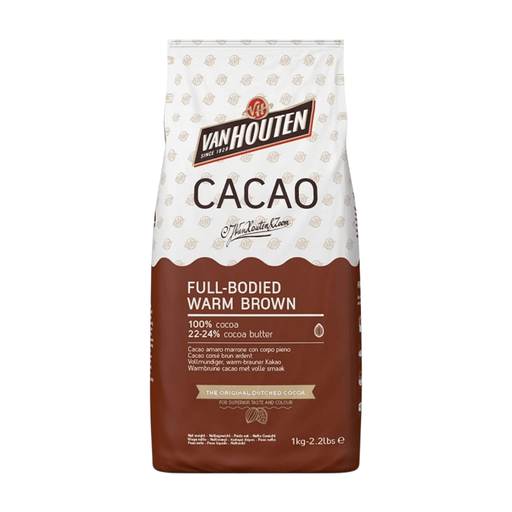 Image unavailable
VAN HOUTEN VH1F cocoa powder 14.7% 1 kg
This format suits recipes that call for cocoa powder rather than pieces of chocolate. The title states ‘14.7%’, while a product description says ‘100% cocoa’: check the packaging to see what this percentage refers to before choosing this product.
View on Joybuy
 Image unavailable
POULAIN Fine Dark 70% dark chocolate bar 100 g
Consider this bar if your recipe calls for dark chocolate to chop or melt. Check how it behaves in the recipe, as well as the sugar claim, ingredients and allergens on the packaging.
View on Joybuy
Frequently asked questions
Does ‘no added sugar’ mean ‘sugar-free’?
No. Carrefour’s product listing for the Gerblé bar explains that naturally occurring sugars may still be present in a product with no added sugar. To compare products, check the ‘of which sugars’ line per 100 g and the ingredients list.
Does a box of chocolates in France have to display the Nutri-Score?
No. According to the DGCCRF, a nutrition declaration is compulsory for prepacked food, while displaying the Nutri-Score is voluntary. If it appears on the packaging, consider it alongside the product’s nutritional information and ingredients.
Does the tax on sugary drinks apply to a box of chocolates?
No. The scale published by the Bulletin officiel des finances publiques covers levies on non-alcoholic drinks, not boxes of chocolates, chocolate bars or chocolate chips.
What should you check before using maltitol chocolate chips for a group?
Read the ingredients, allergens and warnings for the product you’ve chosen. The Auchan product listing for Sainte Lucie chocolate chips states that they contain soya lecithin and warns that excessive consumption may have a laxative effect.


