If you’re looking for a round biscuit for an afternoon snack, first distinguish between ‘sugar-free’ and ‘no added sugars’: according to Anses, the latter does not rule out sugars that occur naturally. Then compare the ‘of which sugars’ figures per 100 g, the ingredients and the allergens. If a Nutri-Score is displayed, remember that it doesn’t replace this information.
Who might find these criteria useful?
People keeping an eye on their sugar intake
When choosing a biscuit for an afternoon snack, it’s important to distinguish the wording on the pack from the amount of sugars listed per 100 g. As Anses points out, ‘no added sugars’ does not mean ‘sugar-free’.
People checking ingredients and allergens
A recipe that meets your sugar criteria may still contain sweeteners or ingredients you want to avoid. The Gerblé products featured by the brand include recipes with maltitol or maltitols, so check the specific product and its allergens.
People preparing a snack to take with them
The number of biscuits in each sachet can be just as important as the pack size when you’re planning a portion. Auchan, for example, offers a Gerblé plain biscuit with no added sugars in individual sachets. However, the packaging alone doesn’t tell you its nutritional values.
What should you check before choosing?
Start with the exact claim on the biscuit, then compare it with the nutrition declaration and ingredients list for the product you’re planning to buy.
| Criteria |
What to check |
Who is it for? |
| Sugar content |
Compare the ‘of which sugars’ figures per 100 g and distinguish between ‘sugar-free’ and ‘no added sugars’. |
For my afternoon snack, I want to know what a biscuit actually contains, beyond the claim on the front of the pack. Around 50% of consumers put sugar content at the top of their list of criteria. |
| Ingredients and allergens |
Read the ingredients list, paying particular attention to polyols or sweeteners, as well as any allergens highlighted. |
I may be looking for a less sugary recipe while still needing to avoid a particular ingredient. For around 30% of consumers, ingredient suitability comes before other criteria. |
| Other nutritional values and pack format |
Check the fat, saturated fat and salt figures per 100 g. If you’re taking your snack with you, check how many biscuits are in each sachet too. |
If I’m preparing a snack to take with me, packaging matters, but I also want to check the other nutritional values. Around 20% of consumers prioritise this combination of criteria. |
Common mix-ups to avoid
-
Confusing ‘no added sugars’ with ‘sugar-free’
Anses explains that a product with no added sugars may still contain sugars that occur naturally in its ingredients.
Check the exact wording, then look at the ‘of which sugars’ figures per 100 g before comparing two recipes.
-
Relying on the Nutri-Score alone
The DGCCRF states that the Nutri-Score is voluntary in France, while the nutrition declaration on pre-packed foods includes values per 100 g, among other details. A letter doesn’t tell you which ingredients or allergens a product contains.
Use the Nutri-Score if it appears on the product, then read the nutrition table and the label.
-
Overlooking sweeteners in a less sugary recipe
Gerblé lists maltitols in its dark chocolate rice cakes, while the product details for the plain biscuits featured by Auchan also list maltitol. So a sugar-related claim doesn’t tell you everything about the recipe.
If you avoid these ingredients, check the list on the packaging of the product you choose.
Brands to consider
KARELEA
Worth a look if you’re specifically after a round biscuit carrying a ‘sugar-free’ claim.
- Carrefour offers KARELEA sugar-free round biscuits in a 125 g pack.
- Before choosing this product, check the ingredients, allergens and other nutritional values on the packaging.
Gerblé
Its ‘no added sugars’ recipes are worth considering if rice cakes or plain biscuits could be an alternative to round biscuits.
- Gerblé describes its dark chocolate rice cakes as having ‘no added sugars’ and displays a Nutri-Score C for this product. Auchan offers its plain biscuits in individual sachets.
- Both recipes list maltitols or maltitol. Check the ingredients and allergens of the product you choose.
St Michel
A brand of classic biscuits that can provide a useful comparison if you’re looking for this particular type of biscuit.
- Carrefour includes St Michel chocolate biscuits in its range of round biscuits, shortbread and plain biscuits.
- To see whether a particular product meets your sugar criteria, compare the label on that specific product rather than relying on the brand name.
Biscuits available on Joybuy
These two products are biscuits for an afternoon break, rather than round biscuits. The first has ‘no added sugars’ in its name. For both products, start your comparison with the label.
 Image unavailable
KRISPROLLS Swedish wholemeal biscuits with no added sugars, 425 g
Worth considering if you’re happy to swap a round biscuit for a Swedish biscuit as an afternoon snack. The pack contains 425 g. To assess its sugar content, check the ‘of which sugars’ figures per 100 g and read the ingredients on the packaging.
View on Joybuy
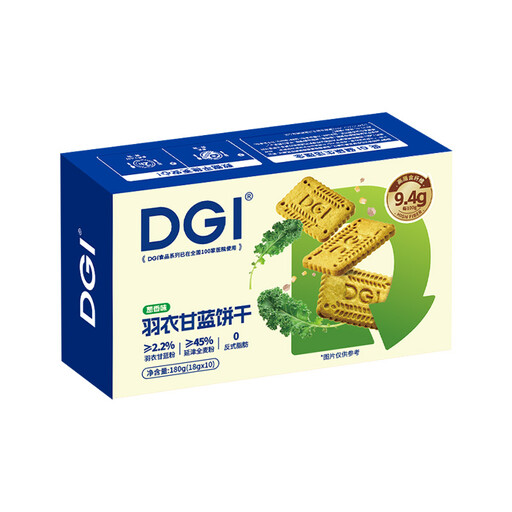 Image unavailable
DGI Kale Cookies, green onion flavour, 180 g
Consider these if green onion flavour appeals to you for an afternoon snack instead of a sweet biscuit. The pack contains 180 g. Before comparing them with other biscuits, check the sugars per 100 g, the ingredients list and the allergens for this product.
View on Joybuy
Frequently asked questions
Is the Nutri-Score compulsory on biscuits sold in France?
No. According to the DGCCRF, the Nutri-Score is a voluntary label, separate from the nutrition declaration required for pre-packed foods. If it isn’t shown, compare the values per 100 g and check the ingredients list.
Does ‘no added sugars’ mean a biscuit contains no sugars?
No. Anses points out that sugars may occur naturally in the ingredients of a product with no added sugars. The ‘of which sugars’ figure shows the amount declared per 100 g.
How should you compare packs with different portion sizes?
First compare the nutritional values per 100 g, the basis for presenting information on pre-packed foods as specified by the DGCCRF. Then check the stated portion size or the number of biscuits in each sachet if you’re preparing a snack to take with you.
Should you check the allergens in a less sugary biscuit?
Yes. The DGCCRF specifies that allergenic ingredients must be highlighted in the ingredients list. Read the label on the product you buy: a claim about sugars doesn’t tell you which allergens it contains.


