People looking for a ‘sugar-free’ claim
You want to tell this claim apart from ‘no added sugar’ or ‘reduced sugar’, while also checking sweeteners, nutritional information and allergens.


To enjoy with your morning coffee, first decide whether you’re looking for ‘sugar-free’, ‘no added sugar’ or ‘reduced sugar’, depending on what you want to avoid. These claims aren’t interchangeable. Then compare the sugars line, energy, ingredients and allergens for the exact product, rather than assuming the claim alone tells you about its overall nutritional quality.
You want to tell this claim apart from ‘no added sugar’ or ‘reduced sugar’, while also checking sweeteners, nutritional information and allergens.
You’d like to enjoy a biscuit with your coffee without choosing a recipe that contains added sugars. Any naturally occurring sugars and the ingredients list also matter when making your choice.
You don’t need a ‘sugar-free’ claim, but want to compare the ingredients and allergens before choosing a biscuit for the morning.
Start with the claim that meets your requirements for sugars, then compare the recipes and nutritional information per 100 g.
| Priority | What to check | Who it’s for |
|---|---|---|
| Restricting sugars | Look for the exact claim on the packet and check the ‘sugars’ line in the nutritional information. | I want a biscuit labelled ‘sugar-free’ to have with my coffee, without confusing this requirement with the absence of other ingredients I may need to check. Around 38% of consumers would make this their top priority. |
| A recipe with no added sugars | Read the ingredients and check whether the product contains sweeteners or naturally occurring sugars. | If I want to avoid added sugar while choosing a biscuit I enjoy with coffee, I’m happy for naturally occurring sugars to still be present. This would be the main priority for around 37% of consumers. |
| Ingredients and allergens | Compare the ingredients, allergens and nutritional information per 100 g for the exact product. | I may be happy with a ‘reduced sugar’ biscuit if its ingredients meet my requirements, while understanding that it may still contain sugar. Around 25% of consumers would favour this compromise. |
‘No added sugars’ doesn’t rule out naturally occurring sugars. Carrefour France also lists brown cane sugar in the recipe for its Carrefour Bio biscuits, which are described as reduced in sugars.
Decide whether you’re looking for ‘sugar-free’, ‘no added sugar’ or reduced sugars, then check the ingredients and the ‘sugars’ line on the packet you choose.
Carrefour France lists 419 kcal and 15 g of fat per 100 g for Karéléa speculoos carrying the ‘sugar-free’ claim.
Compare energy, fat and sugars per 100 g, then consider how much you plan to serve with your coffee.
The Karéléa and Dukan recipes described by Carrefour France contain sweeteners. Ingredients and allergens vary from one product to another.
Read the ingredients list and allergen information on the exact packet, especially if you need to avoid a particular ingredient.
Carrefour France labels its Karéléa speculoos ‘sugar-free’.
Carrefour France lists a Gerblé almond financier and a chocolate-filled cake labelled ‘no added sugar’.
Carrefour France describes Dukan oat bran and coconut biscuits as ‘no added sugar’.
Carrefour France describes its whole oat Carrefour Bio biscuits as ‘reduced sugar’.
These products offer different options to enjoy with coffee: a spring onion-flavoured biscuit, wholemeal biscuits labelled ‘no added sugar’ and a pineapple cake described as ‘Reduced Sugar’. First choose the type of biscuit or cake you’d like, then check the claim on the packet.
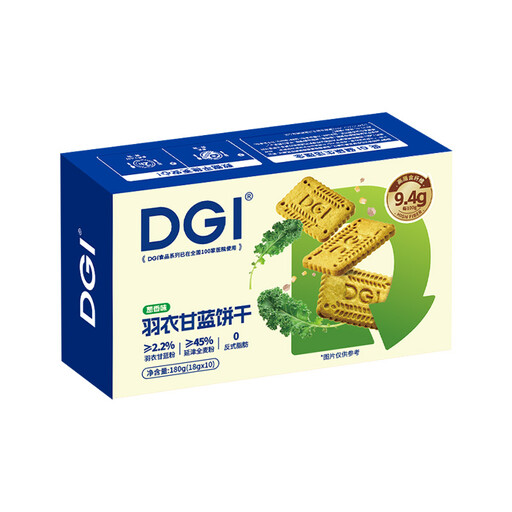 Image unavailable
Worth considering if you’d prefer a spring onion flavour with your coffee. The pack is listed as 180 g. Check its nutritional information and ingredients if your choice depends on the sugar content.
 Image unavailable
For anyone looking for wholemeal biscuits labelled ‘no added sugar’ rather than a pineapple cake. The pack is listed as 425 g. This claim doesn’t mean the product is sugar-free.
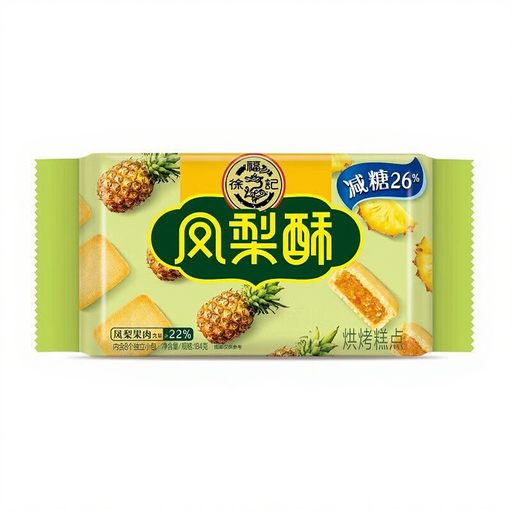 Image unavailable
For anyone who prefers pineapple cake in individual sachets: the 184 g pack contains eight. ‘Reduced Sugar’ doesn’t mean ‘sugar-free’, so check the sugar content and what the claim is being compared with before making your choice.
No. ‘No added sugar’ doesn’t rule out naturally occurring sugars, as Carrefour France points out for its Dukan coconut biscuits. If you’re looking for a ‘sugar-free’ claim, check that it appears on the exact product.
No. The ‘sugar-free’ claim doesn’t tell you how much energy the biscuit contains. Carrefour France lists 419 kcal and 15 g of fat per 100 g for the Karéléa speculoos in question. Compare the full nutritional information for the products you’re considering.
Check the ingredients and any ‘may contain’ warnings on each packet. The Karéléa, Dukan and Carrefour Bio products described by Carrefour France list different ingredients or traces, including wheat, milk, eggs, soya, nuts or sesame, depending on the product.
No. Carrefour France lists brown cane sugar among the ingredients of its whole oat Carrefour Bio biscuits, which are described as reduced in sugars. For any other product, check the ‘sugars’ line and ingredients list rather than treating the two claims as equivalent.