Anyone looking for ‘sugar-free’ biscuits
If this claim is your deciding factor, distinguish it from ‘no added sugars’ and check the amount of sugars per 100 g. The plain and coconut shortbread biscuits featured by Gerblé are labelled ‘sugar-free’.


For a match night, choose a biscuit labelled ‘sugar-free’ if avoiding sugars is your priority. ‘No added sugars’ and ‘reduced sugar’ meet different needs and do not mean the same thing. Compare the ‘sugars’ per 100 g, the ingredients, allergens and serving format. In France, the Nutri-Score can help you assess a product when it is displayed, but its use is voluntary, unlike the nutrition declaration required for prepacked foods.
If this claim is your deciding factor, distinguish it from ‘no added sugars’ and check the amount of sugars per 100 g. The plain and coconut shortbread biscuits featured by Gerblé are labelled ‘sugar-free’.
When serving biscuits during the match, flavour, texture and packaging can matter just as much as reducing sugar. Gerblé’s cocoa and hazelnut-filled biscuits are labelled ‘no added sugars’, while Auchan Less Sugar cocoa-orange biscuits come in individual packets.
This means checking the ingredients, not just the amount of sugars. The Gerblé ‘sugar-free’ recipes mentioned here use maltitol, while Auchan describes its Less Sugar cocoa-orange biscuits as sweetener-free. Their product information nevertheless lists 12 g of sugars per 100 g.
For biscuits to serve while you watch the match, decide on your priority first, then compare labels on the same per-100 g basis.
| What matters to you | What to check | Who is it for? |
|---|---|---|
| No sugars | The exact claim on the packet and the ‘sugars’ per 100 g. | For match night, I want a ‘sugar-free’ biscuit, not simply a less sweet recipe. Around 31% of consumers would put this distinction at the top of their list of needs. |
| Flavour and sharing | The flavour, texture and number of packets or portions. | If I’m putting biscuits out during the match, I’ll prioritise a flavour that suits my guests and a format that’s easy to serve. This would be the top priority for around 23% of consumers. |
| No sweeteners | The ingredients list, especially maltitol, followed by the amount of sugars per 100 g. | I prefer to avoid sweeteners, even if the biscuit still contains sugars. Around 23% of consumers would make this their top priority. |
| Nutrition and allergens | The nutrition information per 100 g and the allergens listed on the packet. | Before serving biscuits to a group, I want to compare the nutritional values and check the allergens. This would be the main concern for around 23% of consumers. |
These claims are not interchangeable. Auchan’s product information for its Less Sugar cocoa-orange biscuits lists 12 g of sugars per 100 g.
If you’re specifically looking for ‘sugar-free’ biscuits, check the claim on the packet and the ‘sugars’ line in the nutrition table.
The product may still contain sugars. Gerblé lists 3.9 g of sugars per 100 g for its cocoa and hazelnut-filled biscuits, despite the ‘no added sugars’ claim.
Compare the amount of sugars per 100 g before choosing biscuits for your platter.
The Gerblé ‘sugar-free’ biscuits mentioned here use maltitol and contain wheat. Other allergens or traces vary by recipe.
Read the ingredients and allergen information on the packet you’re serving, particularly if several people will be sharing the biscuits.
According to Santé publique France, displaying the Nutri-Score is voluntary. The DGCCRF distinguishes this logo from the nutrition declaration required for prepacked foods.
Use the Nutri-Score to compare similar biscuits when it appears, then check the values per 100 g and the ingredients.
Gerblé’s range includes both ‘sugar-free’ biscuits and a ‘no added sugars’ recipe.
This range may appeal if you’d rather choose a recipe described as sweetener-free than a ‘sugar-free’ biscuit.
E.Leclerc lists breakfast biscuits with chocolate chips under this brand, described as lower in sugar.
These two products offer different flavours and formats for a match-time snack. Check the label before choosing: a ‘no added sugars’ claim or a savoury flavour doesn’t prove that a biscuit is ‘sugar-free’.
 Image unavailable
Worth considering if you’d like to serve a crunchy biscuit during the match and are looking for a ‘no added sugars’ claim. This doesn’t mean ‘sugar-free’: compare the ‘sugars’ per 100 g and check the allergens and pack size before serving to a group.
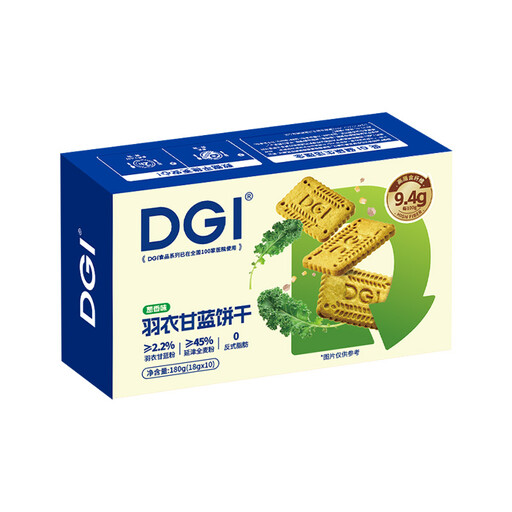 Image unavailable
Worth considering if you prefer a savoury flavour for a match-time snack. The flavour alone doesn’t mean the biscuits contain no sugars. Information for this product mentions maltitol and warns of a laxative effect if consumed in excess. Read the label, including the allergen information, before sharing.
No. Santé publique France says that producers display Nutri-Score voluntarily. The DGCCRF states that a nutrition declaration is required on prepacked foods. If the logo isn’t there, check the nutrition information per 100 g directly.
No. Sugars may be present even if they weren’t added during production. Gerblé’s cocoa and hazelnut-filled biscuits are labelled ‘no added sugars’, but their product information lists 3.9 g of sugars per 100 g.
Check the number of packets or portions, then choose how many to put out. Auchan’s Less Sugar cocoa-orange biscuits come in four packets of four biscuits. For other products, check the packaging of the one you choose.
Yes. The ‘sugar-free’ claim doesn’t tell you about allergens. The Gerblé recipes mentioned contain wheat, and other allergens or traces vary by biscuit. Read the packet for the product you’re serving.
No. The claim relates to sugars, not to the full nutritional profile. To compare biscuits of the same type, check the energy, fat, fibre and salt per 100 g, as well as the portion size you’ll be serving.