People stocking a communal tin
If several colleagues help themselves from the same tin, the sugar content per 100 g makes it easier to compare packs of different sizes. Individually wrapped portions can also make sharing easier.


When stocking a communal office biscuit tin, start by comparing the ‘of which sugars’ figure per 100 g. A ‘reduced sugars’ claim depends on a comparison product, while ‘sugar-free’ is a reason to check the ingredients too. Then choose a format that’s easy to share, check the allergens in each recipe and use Nutri-Score as an additional guide if it appears on the pack — it isn’t compulsory.
If several colleagues help themselves from the same tin, the sugar content per 100 g makes it easier to compare packs of different sizes. Individually wrapped portions can also make sharing easier.
A low declared sugar content doesn’t tell you which ingredients have been used. For example, the product information for Gerblé’s Chocolate Chip Cocoa Cookie lists maltitol and polyols, so check the specific recipe before sharing it.
To help everyone identify ingredients they need to avoid, keep the pack information accessible beside the tin. The DGCCRF reminds consumers that allergens in prepacked foods must be highlighted in the ingredients list.
| What matters | What to check | Who is it for? |
|---|---|---|
| Sugar content | The ‘of which sugars’ figure per 100 g, and the product used as a reference for any claimed reduction. | If I’m comparing several recipes for the tin, I want to know their declared sugar content rather than rely on a claim on the pack. Around 42% of consumers concerned would prioritise this first. |
| Sweeteners and polyols | The ingredients list and, where provided, the amount of polyols in the nutritional information. | Before offering my colleagues a lower-sugar recipe, I want to know whether it contains alternative sweetening substances. This would be the main concern for around 33% of consumers concerned. |
| Sharing and allergens | The number of portions or individual sachets, as well as the allergens and traces listed on the pack. | For a help-yourself tin, I’m looking for a format that’s easy to share and clear information that everyone can read. Around 25% of consumers concerned would prioritise this shared need. |
The DGCCRF states that displaying Nutri-Score is voluntary in France. So, its absence alone doesn’t tell you whether a biscuit is suitable for the tin.
If it is displayed, use it alongside the nutritional values, ingredients list and allergen information.
A ‘reduced sugars’ claim refers to a comparison product. On its own, it doesn’t tell you how much sugar is in the biscuit you’re considering buying.
Read the details accompanying the claim, then compare the ‘of which sugars’ figure per 100 g across the products you’re considering.
A recipe labelled as low in or free from sugars may contain sweeteners or polyols. Its allergens and any traces also depend on the specific product.
Keep the pack beside the tin so colleagues can check the ingredients and allergens before helping themselves.
Gerblé’s range includes several recipes described as reduced in sugars, sugar-free or with no added sugars.
This range includes biscuits described as reduced in sugars, including a cocoa and orange recipe available in individual sachets.
Carrefour product information can help you check the details of specific products in the biscuit aisle, including Gerblé products.
These products offer dry options to consider for an office tin. They also include crispbreads and a product described as crispbread, so check that the texture is right for what you want to offer.
 Image unavailable
Worth considering for a shared tin if crispbread suits you better than traditional biscuits. The product information lists 1.1 g of sugars per 100 g; check the nutritional values and allergens on the pack you buy.
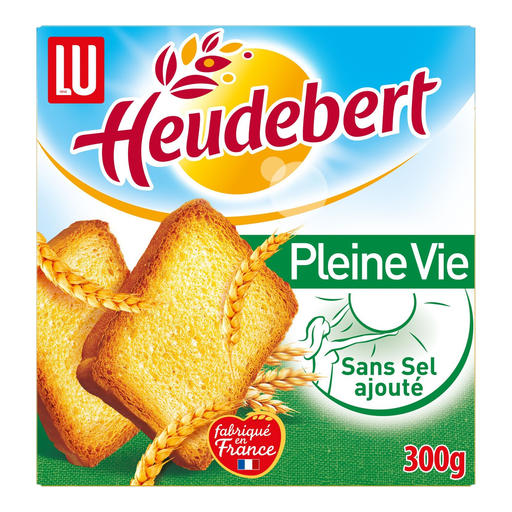 Image unavailable
Worth considering if rusks, rather than biscuits, are a good fit for the office tin. The product information lists 4.8 g of sugars per 100 g and doesn’t describe this product as ‘reduced sugars’; check the pack size and allergens on the packaging.
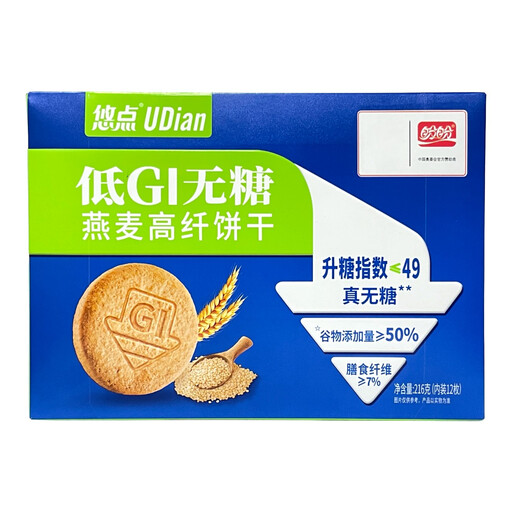 Image unavailable
If you’re looking for oat biscuits for the tin, check the label on this product carefully before buying. Its product information describes it as ‘sugar-free’ while listing 11.7 g of sugars per 100 g; it also mentions maltitol and allergens.
No. The DGCCRF says that Nutri-Score is voluntary. When comparing prepacked biscuits, also read the nutrition declaration, ingredients list and allergen information, whether or not the logo appears on the pack.
No, these claims aren’t interchangeable. Check which one actually appears on the pack, compare the ‘of which sugars’ figure per 100 g and read the ingredients. If a reduction is claimed, check the product used for comparison too.
Keep the packaging of the product you bought close by and easy to read. The DGCCRF says that allergens must be highlighted in the ingredients list of prepacked foods; a claim about sugars doesn’t replace this check.
Follow the storage instructions and date shown on each pack. For Auchan Less Sugar cocoa and orange biscuits, Auchan recommends keeping the product away from heat and humidity before opening. Keep the packaging information accessible after filling the tin.