
Livraison le jour même ou le lendemain

Qualité garantie

Débloquez vos offres de bienvenue: Livraison GRATUITE | Jusqu'à -80 % | 30 jours d'essai gratuits à JoyPlus
Téléchargez l'application
Between white sugar, brown sugar, soft brown sugar, icing sugar and Asian sugar, the differences go beyond colour. Texture, composition, pack size and storage conditions all have a direct impact on your cooking results. To avoid buying a product that is unsuitable for your needs, it is better to start with how you intend to use it rather than being guided by a marketing claim.
1. Confusing colour with composition.
Brown or black sugar is not necessarily less processed or more nutritious. Its colour may come from molasses or even a colouring, as shown in some ingredient lists. Take the time to check the composition and stated origin on the packaging.
2. Choosing a grain size that does not suit the recipe.
Granulated sugar is suitable for many everyday uses, but it can sometimes dissolve slowly in a cold cream or drink. Fine caster sugar, on the other hand, mixes more easily into batters, meringues and drinks. Often containing added starch, icing sugar is mainly intended for decoration, icing and very smooth preparations.
3. Underestimating pack size and moisture.
A 5 kg bag may be suitable for a family that bakes regularly or for a catering professional, but you will need to store it somewhere dry and in an airtight container. Small sachets of vanilla sugar or individual portions limit exposure to moisture, while sugar cubes make it easier to control quantities at the table.
For versatile everyday use, white granulated sugar and caster sugar work equally well in coffee, tea and stewed fruit as they do in cake batters and certain cooked preparations. The finer the grain, the faster it dissolves — a useful advantage in cold drinks and delicate desserts.
Icing sugar is ideal for dusting, making icing or creating certain creams. If you are looking for pure sucrose, check whether starch has been added. For hot drinks, sugar cubes and sticks make it easier to control the amount you add.
A product simply called ‘sugar’ may contain only sucrose, whereas vanilla or flavoured sugar contains additional ingredients. For example, ALSA Sucre Vanillé des Isles combines cane sugar, starch, exhausted vanilla pod and natural vanilla extract. The Dr. Oetker Vanillasugar 10 g product, meanwhile, lists sugar and vanillin.
Statements such as ‘may contain traces of milk, eggs or nuts’ deserve particular attention if the product is intended for someone with an allergy. For black sugar, brown sugar and soft brown sugar, also check the proportion of molasses and whether any colouring has been added.
Compare the price per kilogram, rather than looking only at the price of the pack. A 300 to 500 g format is practical for trying an Asian sugar, panela or flavoured sugar. A 1 kg pack is better suited to regular family use. Professional formats, such as 5 kg granulated sugar or 600 x 5 g sticks, meet very different needs.
Store sugar in a cool, dry place away from direct sunlight. Once opened, an airtight container helps prevent clumping. This is particularly useful for icing sugar, brown sugar and sugar cubes.
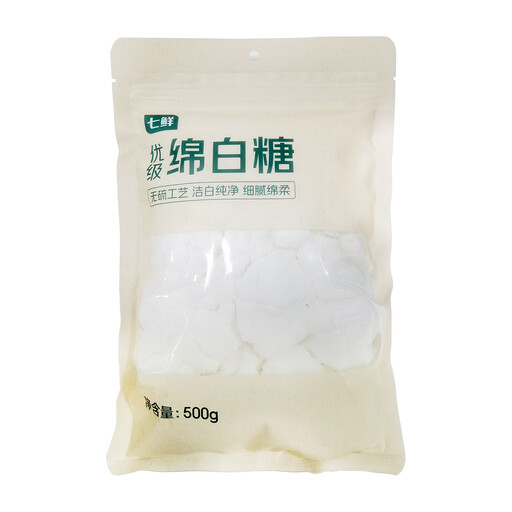
Why this choice suits this profile : Its 500 g format lets you start with fine caster sugar for cakes, biscuits and drinks without taking up too much cupboard space.
The product listing presents a fine white sugar with no declared allergens, rather than a flavoured blend with more limited uses.
Fine grain, 500 g format and listed uses in baking, cooking and drinks.
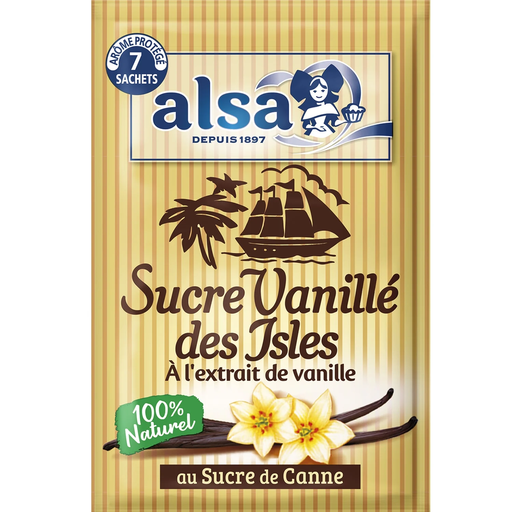
Why this choice suits this profile : The individual sachets add a touch of vanilla to cakes, tarts, yoghurts and fromage frais, with particularly simple portion control.
The composition is detailed, and the seven hermetically sealed sachets help preserve the aroma once the pack has been opened.
7 x 53 g, cane sugar and natural vanilla extract according to the product listing.
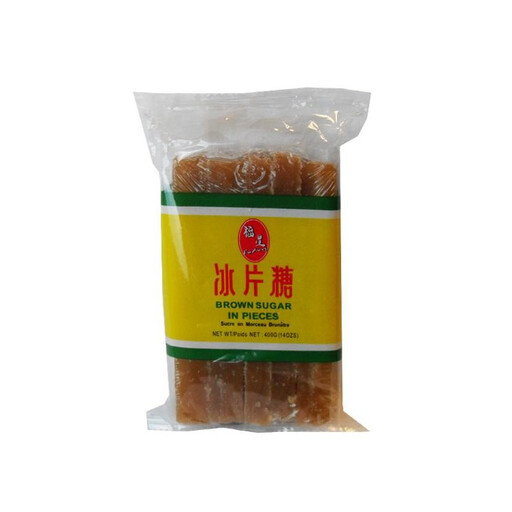
Why this choice suits this profile : This traditional Chinese brown sugar is suitable for Asian dessert soups, ginger tea, syrups and certain savoury and sweet preparations.
The product listing specifies its uses, ingredients and method for dissolving it in hot liquids, making it easier to choose beyond classic recipes.
400 g format, cane sugar, molasses and possible uses in baking, cooking, cocktails and hot drinks.
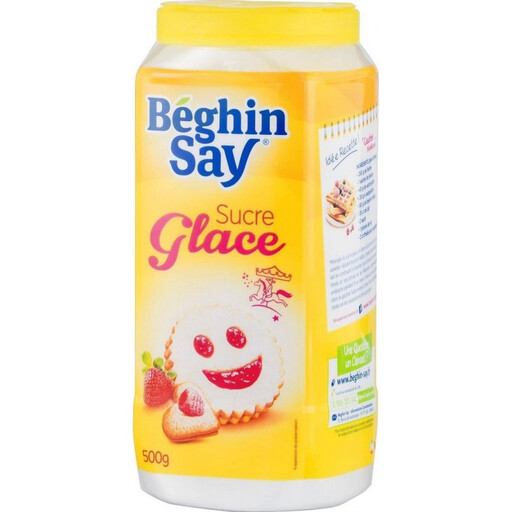
Why this choice suits this profile : Its very fine texture is ideal for icing, decorations, doughnuts and making homemade sugar paste.
The stated composition clearly distinguishes the sugar from the 3% corn starch, which is an important consideration depending on the recipe.
500 g, extra-fine texture and listed uses for dusting, icing and decorations.
We have put together a complete, real-time updated list of products that fully meet these strict selection criteria and European safety regulations.
Not always. Brown sugar and soft brown sugar can add a deeper colour and a different molasses note. In a dough or batter, they may also slightly alter the texture. For a specific recipe, it is best to use the type of sugar stated or test an equivalent quantity.
Keep the pack closed in a dry place, away from steam from a kettle or dishwasher. After opening, transfer the sugar to an airtight container. This method is particularly effective for brown sugar, black sugar and sugar cubes.
Dry sugar generally keeps for a very long time, but the date shown on the packaging remains the reference. Before using it, check its appearance, smell and the condition of the pack. For flavoured products such as vanilla sugar, take particular care to keep the packaging airtight to help preserve the aroma.