People keeping an eye on sugar content
You want to compare biscuits or crispbreads to take with you without relying solely on a claim on the packaging. The DGCCRF says that nutritional values per 100 g make it easier to compare products.


For a picnic, choose biscuits or crispbreads by checking the sugar content per 100 g, then the portion you plan to take, rather than relying on the claim on the front of the pack. It’s also worth choosing a format that’s easy to protect and share. Check the ingredients, allergens and storage instructions for the specific product you’re considering.
You want to compare biscuits or crispbreads to take with you without relying solely on a claim on the packaging. The DGCCRF says that nutritional values per 100 g make it easier to compare products.
You’re looking for portions that are easy to hand out and packaging that protects the contents in your bag. Some Auchan and Bjorg products come in individually wrapped or freshness sachets.
You’re buying for someone who needs to avoid certain ingredients. Always check the ingredients list and allergen information for the exact product, even if it’s described as lower in sugar.
When comparing two products of the same type, start with the nutritional information per 100 g, then look at the format and ingredients list. If you’re putting together a snack with crispbreads, remember to factor in what you add to them, too.
| What to check | What to look for | Who is it for? |
|---|---|---|
| Sugar content | Compare the ‘of which sugars’ figure per 100 g for products of the same type, then consider the amount you expect each person to eat. Also check any other nutritional values that matter to you. | If my main aim is to limit sugar, I want to know what’s in my portion, not just what the pack claims. Around 36% of consumers make this their top priority. |
| Taking them along and sharing | Check the number of portions, whether there are individual sachets, and how the product can be protected from heat, moisture and knocks. | When sharing a snack in the park, I’d rather be able to hand out portions without leaving an open packet in my bag. This is the top priority for around 29% of consumers. |
| Ingredients and allergens | Check the ingredients list and any ‘may contain’ warnings on the exact pack, taking into account the dietary restrictions of everyone who’ll be there. | If someone in the group needs to avoid an ingredient, what’s in the product matters more than its sugar claim. Around 21% of consumers put this compatibility first. |
| Grains and fibre | Look at the grains listed in the ingredients and, if shown on the packaging, the fibre content per 100 g. Compare sugar content separately. | I might look for a wholegrain recipe without assuming it contains less sugar. For around 14% of consumers, the choice of grains or fibre is the main deciding factor. |
This claim alone doesn’t tell you about the biscuit’s energy, fat, salt or ingredients.
Compare the values per 100 g, then consider the portion you’ll take with you. The DGCCRF recommends using this basis when comparing prepacked products.
Gerblé distinguishes between these two claims: no added sugar doesn’t rule out sugars that occur naturally in the ingredients.
Read the exact wording, then check the ‘of which sugars’ figure for the product you’ve chosen.
A biscuit described as lower in sugar may still contain ingredients that aren’t suitable for some people in your group. The products we’ve looked at have different ingredient lists.
Check the ingredients list and any trace warnings on the pack you buy, rather than relying on the name of the range.
A sachet that’s handy for sharing also needs to keep the biscuits protected while you’re out. Auchan says its cocoa and orange product should be kept away from heat and moisture.
Take a rigid container if needed, and follow the storage instructions for the product you’re bringing.
A range of biscuits and bars that Auchan describes as lower in sugar. The cocoa and orange biscuits come in individual sachets.
Gerblé offers biscuits labelled ‘sugar-free’ or ‘no added sugar’, as well as a separate range of Multigrain Morning Crispbreads.
Bjorg’s Organic Wholegrain Oat product combines wholegrain oats with freshness sachets.
These two products are dry biscuits to take with you: one is a Zero Sugar option, the other a No Added Sugar option. To choose between them or compare them with crispbreads you can top yourself, check each product’s label and the portion you plan to eat.
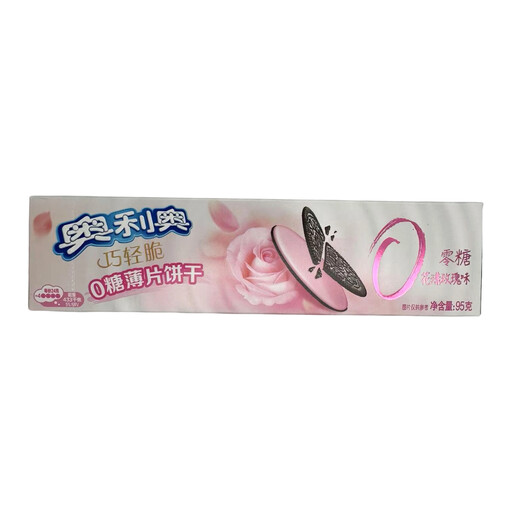 Image unavailable
If you want biscuits that are ready to take along and share, check the sachet format on the pack. Also check the ‘of which sugars’ figure: the value shown in the product listing doesn’t match the Zero Sugar name. Check the ingredients and storage instructions before you head out.
 Image unavailable
If you’re considering crispbreads to top or eat as they are, compare their sugar content with similar products. The No Added Sugar claim alone doesn’t prove that they contain less sugar. If you’re planning to share them, check the portion format too, and bear in mind that they contain wheat and barley for anyone who needs to avoid these ingredients.
Compare the ‘of which sugars’ figure per 100 g for two biscuits of the same type, then consider how much you expect to eat. The DGCCRF says that showing nutritional values per 100 g makes products easier to compare. You should also check the other values in the table, depending on what matters to you.
No. These claims describe different things: Gerblé explains that a product with no added sugar may still contain sugars that occur naturally. To choose, check the exact claim and the sugar content of the recipe in question.
Yes. A claim about sugar doesn’t tell you whether the ingredients are suitable for everyone in your group. Anses advises that substances that cause allergies or intolerances must be highlighted in the ingredients list. Check the list on the pack you buy.
Choose a format that’s easy to share and protect the biscuits from knocks in your bag. Check the storage instructions too: Auchan says its Less Sugar cocoa and orange biscuits should be kept away from heat and moisture.