
Livraison le jour même ou le lendemain

Qualité garantie

Débloquez vos offres de bienvenue: Livraison GRATUITE | Jusqu'à -80 % | 30 jours d'essai gratuits à JoyPlus
Téléchargez l'application
Wavy, curly or textured hair all have different needs when it comes to styling. A mousse that’s too rich can weigh your lengths down, while a tool that’s too hot can damage the hair fibre. To avoid any unpleasant surprises, it’s best to look beyond the marketing claims and focus on the features that really matter day to day.
Long-lasting hold doesn’t have to mean rigid hair. Some formulas contain film-forming agents that help curls keep their shape, but the result also depends on how much you use and the humidity level. A lightweight mousse for curly hair will work better for a soft, natural look, whereas a stronger hold will be useful for curls that tend to drop quickly.
The term “anti-frizz” doesn’t guarantee the same result on every head of hair. The final outcome varies depending on your hair’s porosity, how you dry it, the weather and your styling technique. Take the time to examine the texture, the application method and whether any conditioning agents are listed in the INCI ingredients.
A heated brush, an 8-in-1 hot air styler and an automatic curler don’t cover the same needs. Some tools are designed for dry hair, others for damp hair. Also check the power, temperature settings, included attachments, plug type and safety instructions. A multi-purpose model can be handy, but only if its attachments really match your routine.
For gentle waves, go for a lightweight mousse that spreads easily without leaving a sticky film. For a more structured style, a formula with fixing polymers can help curls hold their shape.
Always start with a small amount on damp hair, working from roots to ends, then scrunch the lengths. This technique stops your hair from being overloaded and encourages even definition. An anti-frizz mousse can be used on its own or after a leave-in conditioner, depending on your hair type.
With an ionic tool or a heated brush, the temperature settings make all the difference. Fine or damaged hair generally copes better with moderate heat than thick hair does. Start at the lowest level, work on dry sections and avoid holding the tool in one spot for too long.
The cool shot button can help cool the section once it’s styled. It helps set the shape, though it won’t guarantee perfect hold in every condition.
When evaluating a multi-function tool, focus on the attachments you’ll actually use: a diffuser or concentrator, a smoothing brush, a round brush, an anti-flyaway nozzle or curling barrels. Also check that it’s compatible with your electrical setup in France.
For aerosol products, follow the precautions on the packaging: they are extremely flammable, must be kept away from heat sources and should never be pierced or incinerated. If irritation occurs, stop using immediately. If the product gets into your eyes, rinse thoroughly.
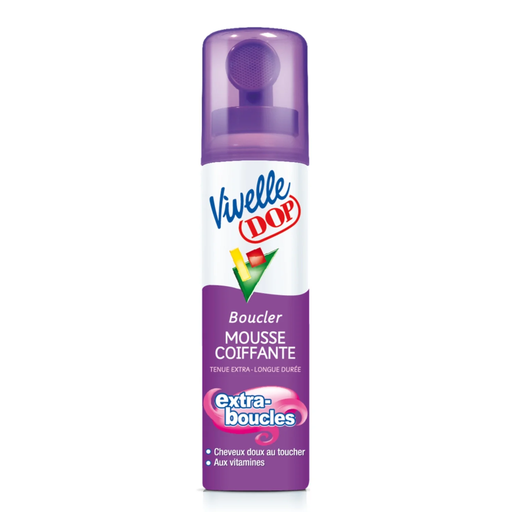
Why this choice suits this profile: At 150ml, this size is ideal for trying the product or using it occasionally, without investing in a tool straight away.
Described as lightweight and easy to brush through, this mousse can help prevent a stiff finish if you increase the amount gradually.
It’s applied to damp hair, uses micro-aerated dispensing and contains panthenol and niacinamide.
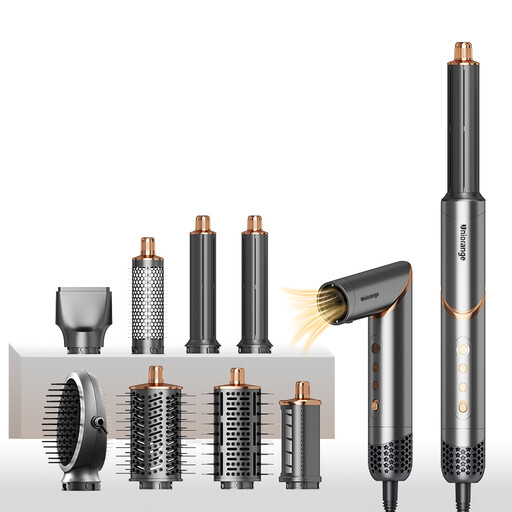
Why this choice suits this profile: This model is aimed at those who want drying, volume, straightening and curling all in one device.
Its eight attachments let you judge its versatility for yourself, rather than relying on a single marketing promise.
1,400W power, a motor rated at 110,000rpm, four temperatures, three speeds and a cool shot function.
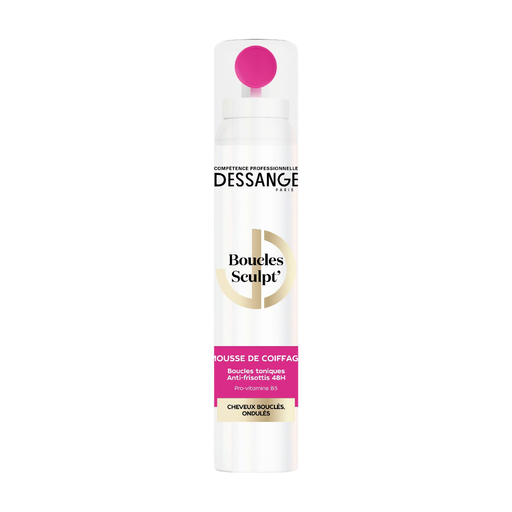
Why this choice suits this profile: Its 200ml size and application on both damp and dry hair fit easily into a regular routine.
The recommended dose of two to three pumps helps you control how much you use and avoid saturating your hair.
200ml size, contains panthenol and gives separate instructions for scrunching, wrapping or drying with a diffuser.
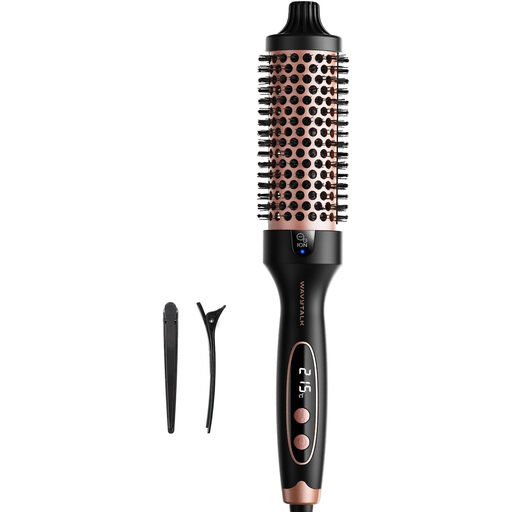
Why this choice suits this profile: This heated brush is for those who want to add volume and create waves on dry hair, with a motion similar to brushing.
The product description clearly states it is not a hot air brush, so you won’t buy it thinking you can dry wet hair with it.
Five temperatures, a 38mm barrel, claimed ionic technology and dual voltage. The plug supplied is a UK type: you’ll need a suitable adaptor for France.
We’ve put together a full, real-time updated selection of products that meet these exacting criteria and European safety standards.
Start by applying a small amount of lightweight mousse to damp hair. Distribute it carefully, then scrunch the lengths. If your hair becomes stiff or dull, reduce the amount rather than layering on more products. The texture of the mousse and how your hair reacts are still the best indicators.
Yes, but it will mainly be used to even out or redefine certain sections. Your hair needs to be dry, detangled and separated into small sections. Choose a moderate temperature and avoid leaving the section on the heating area for too long. Also check the specific recommendations for your device.
It depends on its power and how long you use it. A 1,400W device used for a few minutes a day will consume more than a 68W heated brush, but the actual running time can reduce or increase the difference. To keep your bills down, only use the temperature you need, turn the tool off as soon as you’re finished and unplug it once it has cooled down.