
Livraison le jour même ou le lendemain

Qualité garantie

Débloquez vos offres de bienvenue: Livraison GRATUITE | Jusqu'à -80 % | 30 jours d'essai gratuits à JoyPlus
Téléchargez l'application
Wavy hair, tight curls or very dense texture: finding a styling product for curly hair that defines without weighing it down can quickly become a real challenge — and an expensive one. Drying mousse, an overly rich cream or gel that leaves a stiff, crunchy finish: a routine that should be simple can soon turn into a series of disappointing trials.
Before placing your order, three pitfalls are particularly common:
The key is therefore to compare the texture, level of hold, finish and application method before making your choice.
Gel for curly hair is generally aimed at those looking for defined curls and good hold. Apply it to damp hair, then scrunch the curls by hand or dry them with a diffuser. Be careful with the amount, however: too much can form a stiff film as it dries.
Mousse for curly hair focuses more on lightness and volume. It is particularly suitable for wavy or fine hair when you want to maintain an airy finish. If your lengths are dry or fragile, check whether the formula contains denatured alcohol.
Leave-in curl cream prioritises flexibility and comfort. It can help give the lengths a nourished appearance, revive your style between washes and reduce frizz. On fine hair, start with a very small amount to avoid weighing it down.
To keep your curls defined for longer, check the information relating to hold. Bear in mind, though, that this describes the formula rather than guaranteeing the same result for everyone. Hair porosity, humidity, the amount applied and drying time also play a decisive role.
If you are looking for products that do not leave a crunchy finish, apply the product gradually to well-moistened sections. A slight stiffness after drying is not necessarily a deal-breaker: sometimes all you need to do is gently scrunch the curls with clean hands to soften them.
To achieve more volume in curly hair, apply the mousse or gel while lifting the roots, then use a diffuser on a moderate heat setting. If you prefer a more controlled style, focus the product on the lengths and ends instead.
Take the time to read the INCI list and the warnings on the packaging. The products featured here contain fragrance and, depending on the formula, fragrance allergens such as limonene, linalool and coumarin. If you have sensitive skin, test the product on a small area and stop using it immediately if irritation occurs.
A silicone-free product does not meet the same needs as a treatment containing conditioning agents. The Franck Provost gel featured below is advertised as silicone-free, sulphate-free and mineral-oil-free, while several mousses and creams contain film-forming or detangling agents. There is therefore no universal formula: the right choice depends on your hair texture and habits.
Aerosol mousses also require a few specific precautions: keep them away from flames, avoid strong sources of heat and store them in a dry place, following the manufacturer’s recommendations.
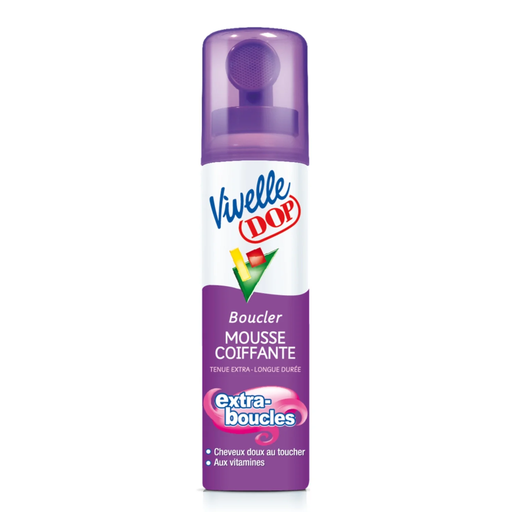
Why this product suits this profile : Its mousse texture can be applied quickly to damp hair and easily incorporated into a daily routine, making it a good option for anyone taking their first steps in curly hair styling.
The micro-aerated spray is advertised as lightweight, and the formula is designed to brush out easily without leaving residue. However, the product information warns that it contains a flammable aerosol and denatured alcohol.
150 ml format, no-rinse application and niacinamide and panthenol listed in the formula.
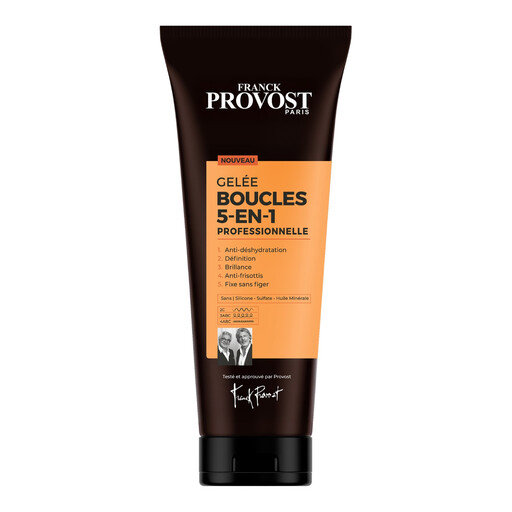
Why this product suits this profile : With its 250 ml format and gel texture, this product is designed for those who want to combine definition, hold and a glossy finish in a single step.
The formula is advertised as silicone-free, sulphate-free and mineral-oil-free, with no-rinse application. However, the advertised hold of up to 24 hours depends on your hair type and how the product is used.
The formula is advertised as suitable for type 2C to 4C hair, without a greasy finish or sticky feel according to the product description.
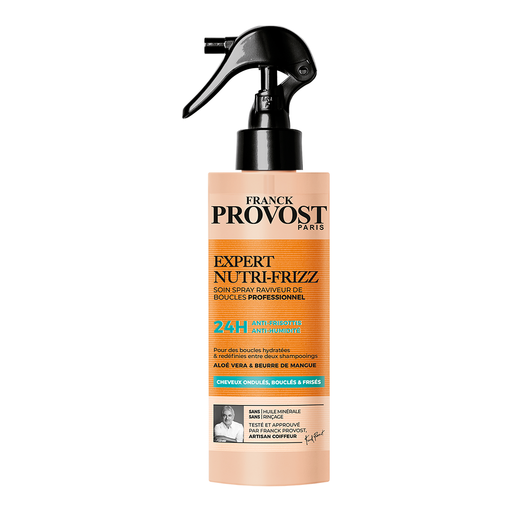
Why this product suits this profile : This curl-activating spray can be used between washes on dry or slightly damp hair. Its practical format makes it ideal for regular touch-ups.
The spray bottle lets you adjust the amount gradually rather than saturating your entire head of hair. However, the formula contains fragrance and several declared allergens.
No-rinse application, coconut and mango oils listed in the formula, and a 190 ml format.
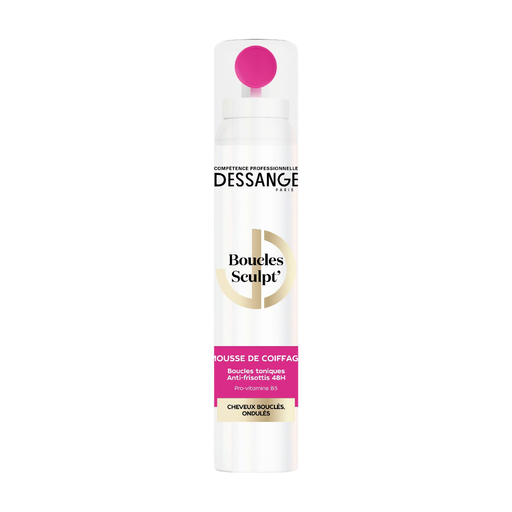
Why this product suits this profile : This mousse is designed for curly, wavy and textured hair seeking volume without heaviness, visible definition and an easy-to-adjust amount.
The recommended amount — two to three walnut-sized portions — helps prevent overloading the hair. However, the product information warns that it is a flammable aerosol and recommends not exposing it to temperatures above 50 °C.
200 ml format, panthenol listed in the ingredients and suitable for use on wet or dry hair.
We have put together a complete, real-time updated list of products that fully meet these strict selection criteria and European safety regulations.
For a routine designed for wavy hair, start with a lightweight cream or mousse. On thick or frizz-prone curls, you can apply gel over cream, as long as you use a light touch.
It depends on the date and batch number shown on the packaging, as well as storage conditions. Close the bottle properly and store it away from heat and sunlight. If the smell, texture or colour changes, it is best to stop using the product.
Yes, provided you adjust the amount to suit your hair’s density and porosity. A small amount on the ends may be enough to refresh your style. If your hair starts to look dull or feel weighed down, use the product less often or switch to a lighter texture.
Mousse is often suitable for fine or wavy hair that lacks volume. A lightweight gel can provide more hold for thick curls. In both cases, avoid applying it to the roots and focus on the lengths.