
Livraison le jour même ou le lendemain

Qualité garantie

Débloquez vos offres de bienvenue: Livraison GRATUITE | Jusqu'à -80 % | 30 jours d'essai gratuits à JoyPlus
Téléchargez l'application
Wavy, curly, frizzy or very dry hair rarely needs just one miracle product. To achieve beautiful definition without sacrificing softness, it’s better to combine nourishing treatments with suitable styling products. A mousse that’s too rich can weigh down waves, while a poorly used heated tool can worsen dryness.
Labels like “anti-frizz” or “long-lasting definition” don’t guarantee a result that suits every texture. Before buying styling products for curly hair, take the time to spot the most common pitfalls.
For soft waves, a light mousse can support the shape without giving a stiff, crunchy effect. Tighter curls or thicker hair will often benefit more from a curl cream, which adds slip and makes strands easier to control.
Look at the practical instructions: apply to damp or dry hair, recommended amount, whether it needs rinsing, and whether you can reactivate curls between washes. A leave-in formula, like an anti-frizz leave-in spray, is usually applied to the lengths and ends, avoiding saturating the roots.
A curl mask can complement your styling when the lengths lack softness or comfort. Check for conditioning agents, oils or butters, as well as “silicone-free” or “sulphate-free” claims if those match your habits.
These indications aren’t enough to predict the quality of the result. They mainly help you compare formulas based on your routine. If irritation occurs, stop using the product immediately and rinse thoroughly if needed.
To preserve curl definition, a hair dryer with a diffuser should offer multiple temperature and speed settings, ideally with a cool shot button. Use moderate heat, keep the dryer moving and avoid holding a very hot airflow in one spot.
For a curling iron or hair curlers, check the maximum temperature, the plate coating and the voltage. The Jean-Louis David model shown below works on 110-240 V, making it easy to use when travelling abroad. A hot appliance should always be placed on a heat-resistant surface and kept away from water.
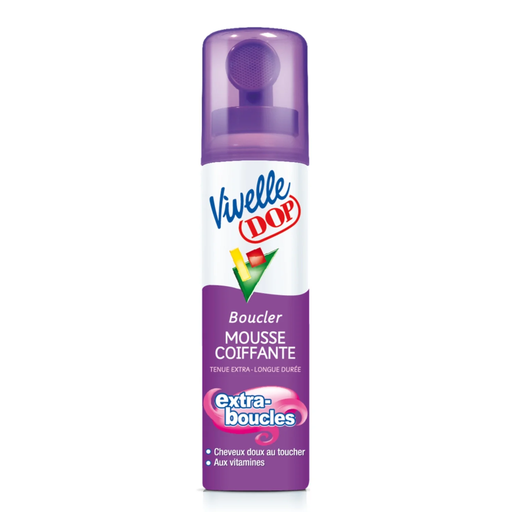
Why this choice suits this profile: With its 150 ml format and application to damp hair, this mousse lets you simply start a curl-defining routine.
The dose is measured directly in your hand, and the mousse is designed to spread from roots to ends. This keeps the risk of overloading your hair limited during your first attempts.
Micro-aerated mousse, panthenol and niacinamide listed in the ingredients, no rinsing required.
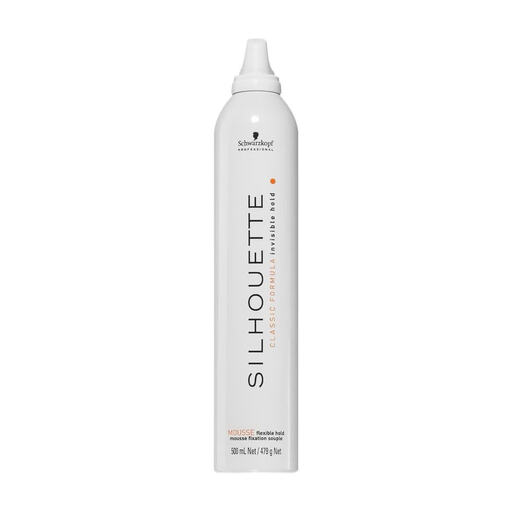
Why this choice suits this profile: Its large format is ideal for people who regularly style thick hair or prefer to buy less often.
The product description states a flexible hold and a formula designed not to weigh hair down. These are two things to look for when trying to add volume to curly hair.
500 ml capacity, application to dry hair and a flexible finish as stated.
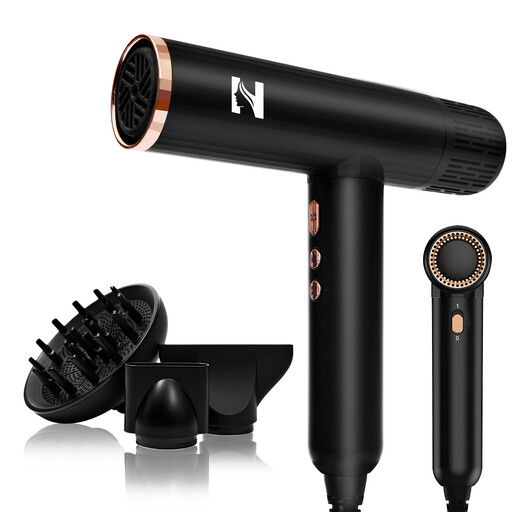
Why this choice suits this profile: People who often dry their hair can adjust the temperature and speed, then use the included diffuser according to their routine.
The different settings prevent you from being stuck with a single heat level, while the diffuser helps dry curls without concentrating all the airflow in one spot.
Stated power of 1,900 W, four temperature settings, three speeds and diffuser included.
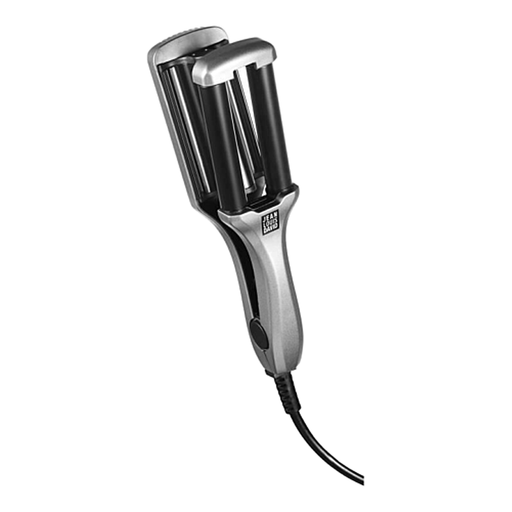
Why this choice suits this profile: Its compact size lends itself to travel and occasional touch-ups, rather than daily use on fragile hair.
The 110-240 V voltage and dimensions of 185 × 45 × 35 mm are clearly stated. You can quickly check its compatibility with your travels.
Ceramic-coated plates, three cylinders, 45 W power and stated temperature up to 200 °C.
We’ve put together a comprehensive, real-time updated list of products that fully meet these strict selection criteria and European safety regulations.
Start with a leave-in treatment or a light cream on damp hair, then add a mousse if you need more hold. Avoid piling on too much product: an excessive amount can reduce volume and weigh hair down. First, test on a small section to find the right dosage.
It all depends on the condition of your lengths and the formula you choose. The Franck Provost Nutri-Frizz mask recommends applying it once or twice a week, with a different leave-in time depending on whether it’s a standard or intensive treatment. Always refer to the instructions on the label.
The consumption depends on the appliance’s power and how long you use it. A 1,900 W hair dryer used for ten minutes theoretically consumes around 0.32 kWh, without accounting for the selected setting or heating cycles. To limit energy use, reduce drying time, favour a moderate temperature and start with hair that’s already been well squeezed out.