Which needs should you prioritise?
A fridge takes care of food storage. For meal preparation, distinguish between reheating and oven-style cooking before looking for an appliance that combines several functions. Then compare the space you have with the instructions for each appliance.
| Need |
What to check |
Who it’s for |
| Keeping food chilled |
Usable capacity, temperature setting and the clearance specified for the fridge. |
I often keep fresh food or leftovers, so I need suitable chilled storage. Cooking appliances can’t replace it. Around 31% of consumers put food storage at the top of their list. |
| Reheating and defrosting |
External dimensions and total electrical power; turntable diameter if you use large plates. |
I mainly need to reheat meals quickly and don’t want an oven taking up worktop space. For around 25% of consumers, reheating comes before other needs. |
| Oven-style cooking |
Cooking modes and dimensions that suit the dishes you use; the manufacturer’s installation instructions. |
I regularly cook dishes that need roasting or grilling, so a standard microwave mode won’t suit all my recipes. Oven-style cooking is the priority for around 25% of consumers. |
| Reducing the number of appliances |
Functions you’ll actually use, external dimensions and the space needed to open the appliance. |
I want to save space in my kitchenette and could consider a multifunction appliance, even if it takes up more room than a basic model. Around 19% of consumers prioritise having fewer appliances above all else. |
Appliances for your kitchenette
These appliances are suited to different needs: a freestanding microwave for reheating, an air fryer for specific types of cooking and a mini oven for cooking dishes. Choose according to what you’ll use most and how much space you have. If you need to store fresh food, you’ll also need suitable refrigeration.
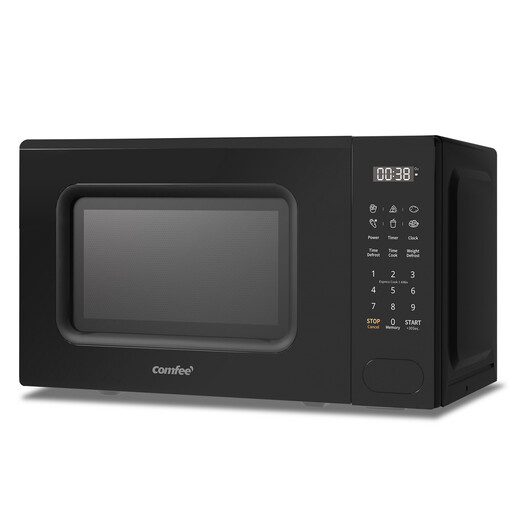 Image unavailable
COMFEE CM-E202CC(BK), 20 L microwave
For reheating and defrosting if a microwave is your main appliance for quick meal preparation.
The product name lists a microwave output of 700 W. Check the dimensions, installation clearances and electrical specifications in the manual before deciding where to put it.
View on Joybuy
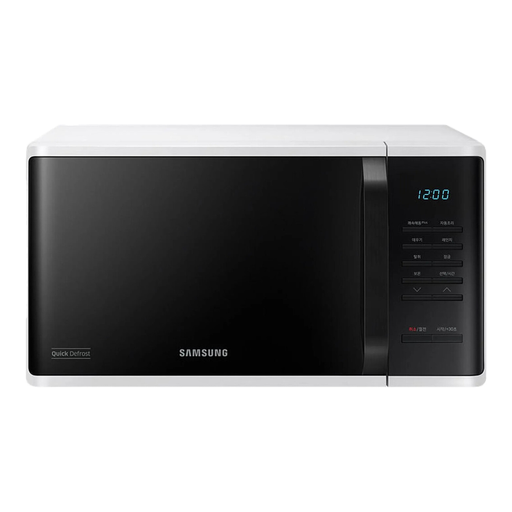 Image unavailable
Samsung MS23K3513, 23 L solo microwave
For reheating and defrosting meals with a freestanding appliance. Compare its footprint with the space you actually have.
The product name lists a capacity of 23 L. Check the manual to see how much clearance you need around the appliance.
View on Joybuy
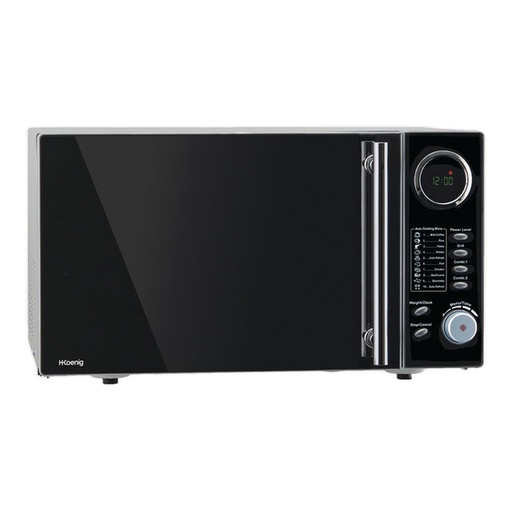 Image unavailable
Hkoenig VIO9, 25 L freestanding microwave
For reheating and defrosting, with a grill if you’d also like to brown certain dishes occasionally.
The product name lists a capacity of 25 L. If you plan to cook as you would in an oven, check the available modes. Also check the total electrical power and the installation clearances specified.
View on Joybuy
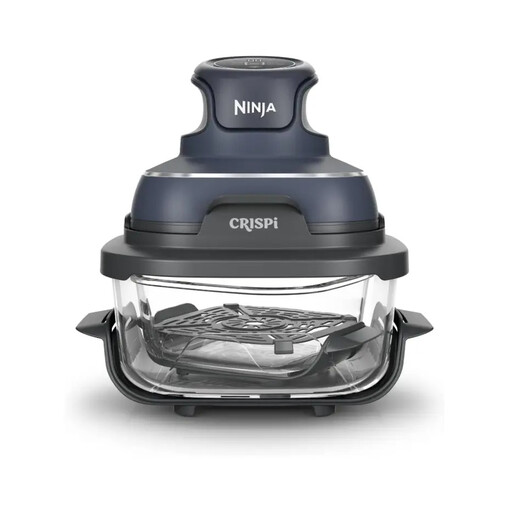 Image unavailable
NINJA FN101EUGY Crispi, air fryer
For cooking smaller dishes, particularly if you want to roast food without installing a mini oven.
This type of appliance doesn’t replace chilled storage or all the functions of a microwave. Check how much space it needs while in use and follow the instructions in the manual.
View on Joybuy
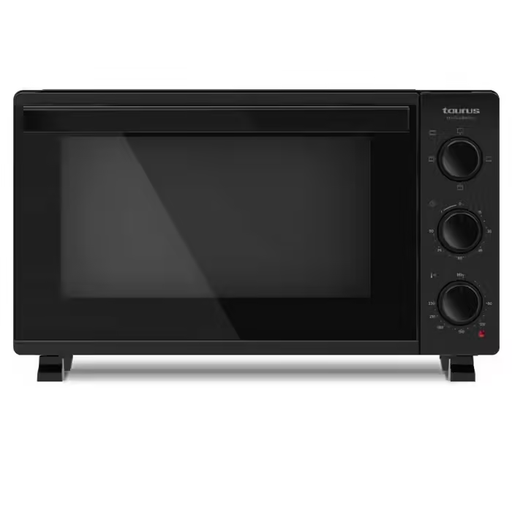 Image unavailable
Taurus Horizon23, 23 L mini oven
For cooking or grilling dishes when reheating in a microwave isn’t enough for your usual meals.
The product name lists a capacity of 23 L. This countertop oven isn’t a microwave, so check the available space, ventilation instructions and electrical specifications before installing it.
View on Joybuy
Frequently asked questions
How much space should you leave around a freestanding mini fridge?
Follow the clearance requirements in the manual for the model you choose. As a guide, Whirlpool specifies 5 cm above and 10 cm behind its freestanding fridges, and advises against placing them near a heat source. These measurements don’t automatically apply to every brand.
How can you check a microwave’s electrical requirements?
Compare the total power, voltage and current listed in the product details and manual with your existing electrical installation. For example, Electrolux lists 1,270 W, 230 V and 10 A for the EMZ421MMK. Don’t use these figures for another microwave or a mini oven.
What temperature should you aim for when storing fresh food?
Anses recommends keeping food between 0 and +4 °C at the coldest point in the fridge. Choose an appliance that lets you set and monitor the temperature for the food you want to store.
How can you compare the energy consumption of two small fridges?
Compare the energy consumption information for appliances of the same type and a similar capacity. A wine cooler and a fridge designed for food may not be suitable for the same purpose, so first check that each model is right for the items you plan to store.
Does an extended warranty replace your statutory rights?
No. In France, the Directorate-General for Competition Policy, Consumer Affairs and Fraud Control states that, for goods sold by a trader to a consumer, a claim under the legal guarantee of conformity must be brought within two years of delivery. A commercial warranty is in addition to statutory rights, so check what it covers and any exclusions before choosing one.


