Student who mainly reheats meals
If your accommodation already has facilities for other types of cooking, start by comparing solo microwaves for reheating and defrosting. Que Choisir describes these as the two main everyday uses for a microwave.


For reheating and defrosting in a studio flat, start by comparing solo microwaves. Choose a grill model if you also plan to brown or crisp dishes regularly. According to Que Choisir, a combination microwave adds oven-style cooking functions. It’s worth considering if you genuinely need them, as long as the appliance, ventilation and connection are suitable for the space available.
The right appliance depends above all on which cooking facilities your studio flat already has.
If your accommodation already has facilities for other types of cooking, start by comparing solo microwaves for reheating and defrosting. Que Choisir describes these as the two main everyday uses for a microwave.
If you’re planning to use a grill or fan-assisted cooking, look at combination microwaves rather than an appliance limited to reheating. Check how much space the appliance needs, including room for ventilation.
Before adding an appliance, check the property inventory and see which cooking appliances are provided and working. You can then choose based on the needs that are still to be covered.
First, work out which cooking functions you’re missing. Then check that the appliance you’re considering suits the available space and the conditions in your studio flat.
Consider it: for reheating and defrosting if your other appliances cover the cooking you need to do.
Limitation: it doesn’t add a grill or fan-assisted cooking, two functions that Que Choisir distinguishes.
Consider it: if you’d also like to brown or crisp some dishes, as well as reheat food.
Limitation: according to Que Choisir, a grill on its own doesn’t provide the fan-assisted cooking offered by a combination microwave.
Consider it: if you’ll genuinely use the grill and fan-assisted cooking to cover some of the functions of an oven you don’t have.
Limitation: these functions don’t remove the need to check the appliance’s size, accessories and installation requirements.
| Priority | What to check | Your needs |
|---|---|---|
| Existing appliances | Check which cooking appliances are provided, whether they’re in working order and which functions you’ll actually use. | I’d rather avoid adding another appliance if the accommodation already lets me cook the meals I usually make. |
| Space and cookware | Compare the external dimensions, door opening and clearance needed for ventilation. Make sure your dishes fit inside the cavity: capacity in litres alone won’t tell you this. | I still need enough worktop space to prepare meals, while keeping room for the plates and dishes I use. |
| Installation | Check the manual for ventilation clearances and connection requirements, then make sure the space and socket are suitable. Whirlpool recommends placing its appliances on a flat surface and keeping the vents unobstructed. | I need to be able to position and connect the appliance in my studio flat in line with its instructions. |
| Containers | Check that containers and accessories are suitable for each mode you use. For packaging designed for microwave use, follow the power and timing instructions: Anses warns that more intensive reheating can increase the risk of substances migrating from packaging. | I want to use my containers safely, without confusing the instructions for microwave mode with those for the grill. |
| Controls and cleaning | Check the settings for the modes you plan to use and how easy it is to reach inside the cavity for cleaning. Que Choisir assesses ease of use separately from cooking functions. | Easy-to-understand controls and straightforward cleaning matter more to me than modes I’ll rarely use. |
An existing oven may already cover the cooking you were considering fan-assisted cooking for.
Check the inventory, make sure the supplied appliances work, and note down what you cook during a typical week.
Two appliances with similar stated capacities can differ in their external dimensions and the layout of their cavities. For example, Whirlpool lists its MWF259SG as measuring 49 × 32,5 × 46,8 cm and weighing 19,6 kg.
Measure the space, check how far the door can open and measure your dishes, then compare these measurements with the product details and manual for the model you’re considering.
Que Choisir distinguishes the browning provided by a grill from the fan-assisted cooking available on combination models.
Choose a grill function if you want to brown or crisp food. If you’re planning oven-style cooking, make sure the model specifically offers fan-assisted cooking.
Instructions can differ between microwave, grill and fan-assisted cooking modes. Anses says that heating packaging more intensively than intended increases the risk of substances migrating into food.
Check the container’s markings, the packaging instructions and the manual for the mode, power and cooking time you plan to use.
These examples show some configurations worth comparing. Their features don’t apply to every appliance from the same brand.
The French range includes freestanding solo microwaves and models with a grill.
The French range includes models with a grill, as well as combination microwaves.
The French range includes multifunction models combining different cooking modes, depending on the model.
This selection includes a model with a grill and solo microwaves for reheating or defrosting in a studio flat. If you need fan-assisted cooking for oven-style dishes, check that the appliance you’re considering has this function.
 Image unavailable
Worth comparing if you want to reheat and defrost, as well as brown or crisp some dishes. The grill function isn’t a substitute for fan-assisted cooking, so check the manual if you’re planning oven-style cooking. Also check the clearance needed for installation.
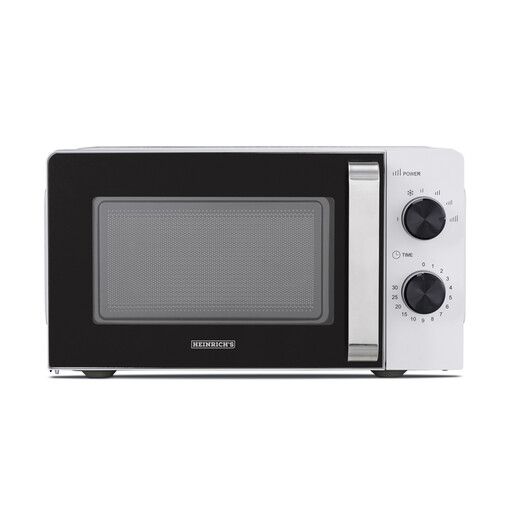 Image unavailable
An option to consider if reheating and defrosting are your priorities and you don’t need a grill function. The product name lists six power levels and a 30-minute timer. Check the manual for ventilation clearances and connection requirements.
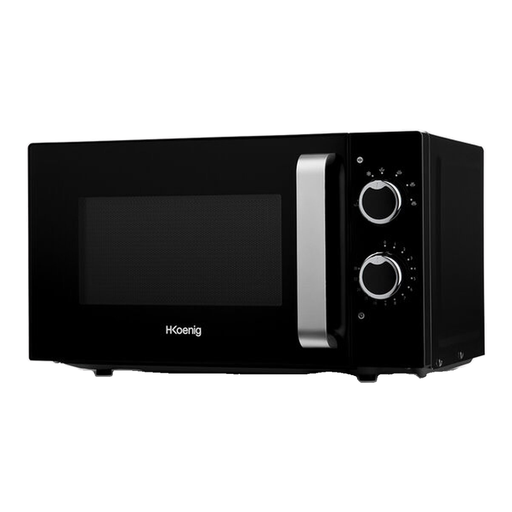 Image unavailable
Worth considering for reheating and defrosting if you don’t need a grill. Before making room for it in your studio flat, compare its dimensions and the clearances specified in the manual with the space available on your worktop.
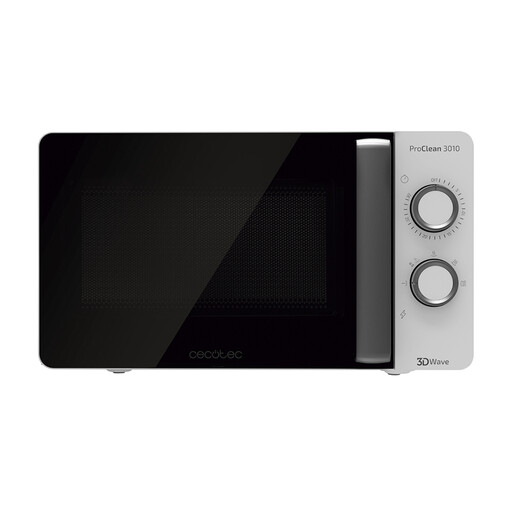 Image unavailable
Another option for reheating and defrosting when these uses matter more than extra cooking functions. The product name lists six power levels and a Ready2Clean coating. Check the external dimensions and turntable size against the dishes you use.
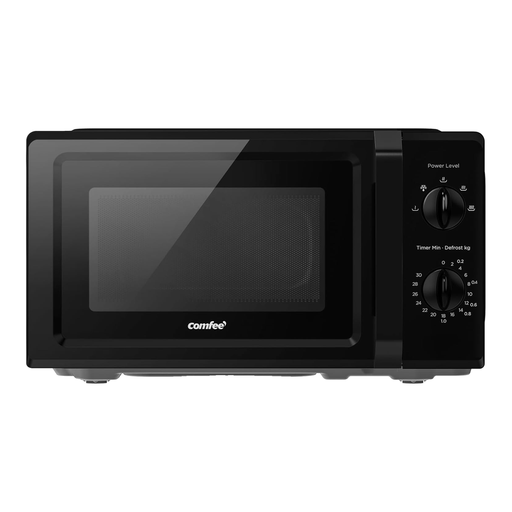 Image unavailable
Worth comparing for reheating and defrosting if you’re looking for a straightforward microwave. The product name lists five power levels and a 245 mm turntable. Also measure the available space and check the installation requirements in the manual.
Not until you’ve checked which appliances are provided and whether they work. Look at the inventory, then decide if you still need facilities for reheating, defrosting or cooking.
Yes, if the model has fan-assisted cooking and you’ll genuinely use it. Que Choisir distinguishes these combination models from solo microwaves and models with a grill. Check the modes, accessories and space needed before choosing.
Follow the clearances in the manual for your chosen model and keep its ventilation openings unobstructed. Whirlpool recommends placing the appliance on a flat surface and warns that blocked ventilation can cause overheating.
Only if its markings and instructions say it’s suitable. Follow the power and timing instructions on the packaging: according to Anses, more intensive reheating increases the risk of substances migrating from the packaging into the food.