Living alone without a usable hob
For cooking pasta, boiling water, using a frying pan or making a one-pot dish, a portable hob covers several everyday needs. If you choose induction, check your saucepans and frying pans first.


If your studio flat doesn’t have a usable hob and you often cook in a saucepan or frying pan, start with a portable hob that works with your cookware. Then add just one appliance to suit the meals you usually make: a mini oven for baking, a multicooker for one-pot meals or an air fryer for small roasted portions. Before choosing, check how much space you’ll need to use and store it, as well as the model’s connection and ventilation requirements.
Start with the kinds of cooking your studio flat needs to support, then check what the equipment already there can actually do.
For cooking pasta, boiling water, using a frying pan or making a one-pot dish, a portable hob covers several everyday needs. If you choose induction, check your saucepans and frying pans first.
If you already have a hob or microwave, choose an extra appliance to suit the meals you make most often: oven cooking, one-pot dishes or small roasted portions. Its dimensions, storage and cleaning requirements matter just as much as its programmes.
For rice, grains, soups or stews, a multicooker can bring several types of cooking together in one pot. Make sure its capacity suits your portions, though, and that you have somewhere to store it.
Make a note of the meals you cook most often, then rule out any appliances that can’t prepare them or won’t fit in your kitchen.
| Priority | What to check | Think about your needs |
|---|---|---|
| Everyday cooking | Think about the meals you make in a saucepan or frying pan, which need a hob. Compare these with what a mini oven, multicooker or air fryer can do: they don’t all suit the same meals. | If I often make pasta or stir-fries, I need a usable hob. If I usually make soups and grains in one pot, a multicooker may suit my routine better. |
| Space and capacity | Measure the space where you’ll use the appliance, the clearance required around it according to the instructions, and the space you have for storage. Compare its capacity with your usual portions, rather than focusing only on the number of programmes. | I live alone and have a narrow worktop. A larger appliance is only worthwhile if I’ll actually use it to prepare several portions or cook two dishes at once. |
| Compatibility | For an induction hob, check that your cookware has a magnetic base. Also check the power rating, plug, connection instructions and available sockets. Promotelec recommends checking the maximum power rating of any extension lead with multiple sockets you use. | I want to use my saucepans without replacing them and connect the appliance according to its instructions, without relying on several extension leads. |
| Positioning and ventilation | Check the instructions for the exact model for requirements covering surface stability, clearances, air or steam outlets and installation. A built-in model can’t simply be placed on a worktop. | Before clearing a space on a shelf or beneath a cupboard, I need to know whether it’s suitable while the appliance is in use. |
| Cleaning | Check which parts are removable and how they should be cleaned. Don’t assume that a basket, pot or rack is dishwasher-safe: check the instructions for the exact version you’re buying. | If I cook every day, I’d prefer an appliance with parts I can clean after the meals I usually make, without having to leave several accessories to pile up. |
It can be handy for small roasted portions, but it won’t boil pasta or make most stews. So it won’t replace a hob if those meals are a regular part of your routine.
Think of a few meals you make regularly. If they include boiling or frying, start by getting equipment that can handle those jobs, then decide whether an air fryer is worth the extra space.
Choosing one as your only appliance may mean you later need to buy a hob and suitable cookware as well.
Induction requires a magnetic base, so not every saucepan or frying pan will work on the hob.
Test the base of your cookware with a magnet before choosing a hob. If your pans aren’t suitable, factor in the cost of replacing them or consider another type of hob.
Incompatible saucepans or frying pans mean you’ll need to budget for extra cookware.
Promotelec advises checking the maximum power rating of an extension lead with multiple sockets. Faulty electrical installations can also pose a risk of electric shock or fire, according to the government departments responsible for the ecological transition.
Check the available sockets and each appliance’s instructions before buying. Don’t try to solve a shortage of sockets by chaining extension leads together, and don’t alter the fixed wiring yourself.
A countertop mini oven needs to be positioned in line with its instructions, while a built-in microwave requires a suitable cabinet. Its internal capacity alone won’t tell you whether it’s right for your kitchen.
Measure the available width, depth and height, then check the clearances, ventilation and installation requirements for the exact model before ordering.
These examples show different ways to cook. They aren’t a ranking of brands or a list of the products featured below.
The Optimo 19 L OX444810 countertop mini oven is worth considering if you often cook dishes in the oven.
The MK705110 and MK708810 multicookers are designed for one-pot meals, but may not suit the same capacity requirements.
SEB describes the Actifry Mini FZ200000 as an appliance for smaller households.
According to Electrolux, the Série 600 Gril EMSD253TMY built-in microwave combines microwave, grill and combination cooking modes.
These appliances show a few ways to equip a studio flat kitchen: a portable hob for saucepan cooking, plus separate options for one-pot meals, oven cooking, reheating and grilling, or small portions cooked with hot air. Choose according to the cooking options your home is actually missing.
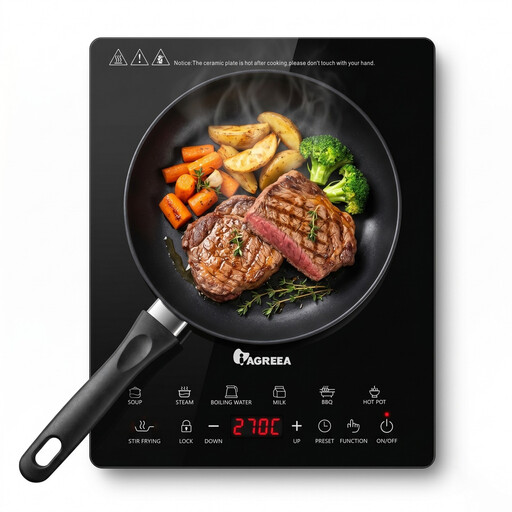 Image unavailable
Worth considering if your studio flat doesn’t have a usable hob and you cook in a saucepan or frying pan. The model name lists 8 power levels, a temperature range of 60 to 270 °C, 7 programmes and a 3 h timer. Check that your cookware is suitable for induction, then read the instructions for positioning and connection.
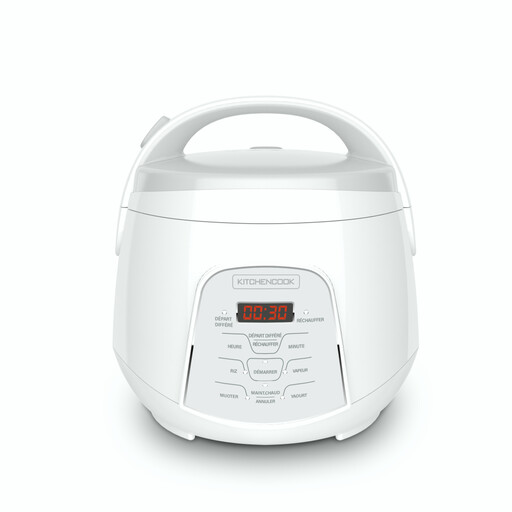 Image unavailable
An option for one-pot meals rather than cooking two dishes at once. Its stated capacity is 2 L, so compare this with your usual portions and check the instructions to see how much space to leave around the appliance while it’s in use.
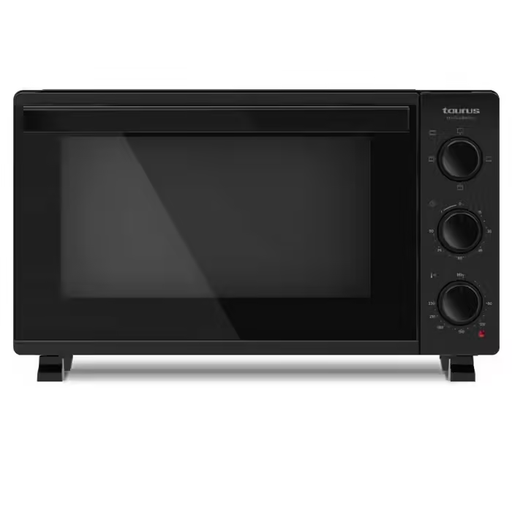 Image unavailable
Worth considering if oven-cooked meals are a regular part of your routine. This countertop model has a capacity of 23 L, but won’t replace a hob for cooking with saucepans and frying pans. Measure the space where you’ll use it and check the clearances in the instructions.
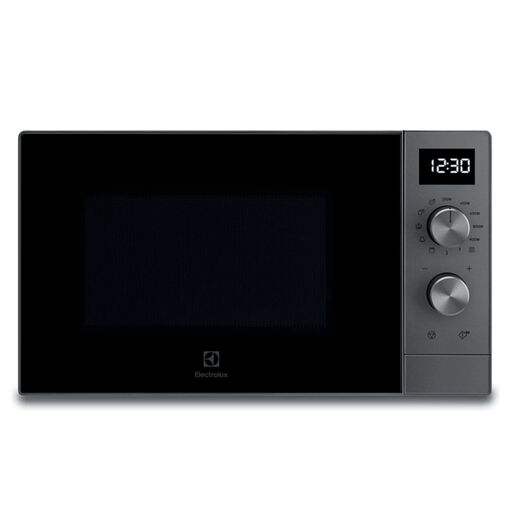 Image unavailable
This freestanding model could complement an existing hob if you often reheat food or use the grill. The model name lists a microwave power output of 900 W. It won’t necessarily replace a hob for frying; check its dimensions and the ventilation requirements in the instructions.
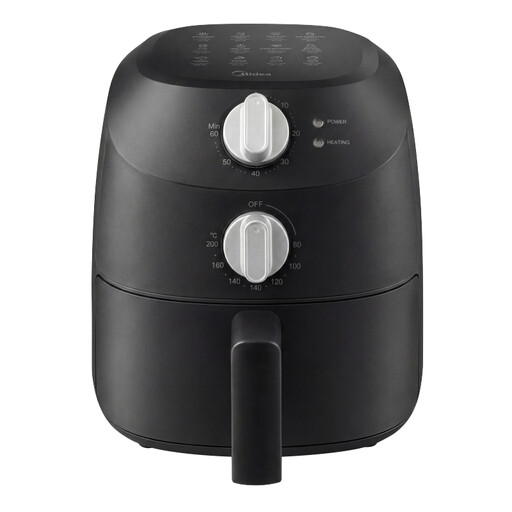 Image unavailable
One to consider for small roasted portions, but not for boiling water or cooking pasta. The product name lists a dishwasher-safe non-stick basket and a 60-minute timer. Check the care instructions for the version supplied, as well as the ventilation space required.
If you often cook in a saucepan or frying pan, start with a usable hob, such as a portable model. One cooking zone may be enough if you prepare each part of a meal in turn; two are more useful if you want to cook different things at the same time. For induction, check that your cookware has a magnetic base.
Not if you regularly cook pasta or soup, or fry food in a pan. An air fryer is better suited to small roasted portions, so choose one as an extra if those dishes are a regular part of your menu.
Only if the property has a suitable space for it and it’s installed according to the model’s instructions. A built-in appliance isn’t interchangeable with a freestanding microwave: the Electrolux instructions cited for its built-in models specify installation by a qualified professional. If you need a countertop appliance, choose a model explicitly described as freestanding.
Don’t assume it’s safe to use as an extra socket without checking. Promotelec recommends checking its maximum power rating. Compare this with the appliances and their instructions, avoid connecting extension leads together, and consider the sockets available before choosing your equipment.
Yes. Even a small appliance needs to be positioned and ventilated according to its instructions. Measure the space you have in mind and check the clearances required for the specific model, particularly around walls, cupboards and heat-sensitive surfaces.