If you mainly reheat meals
You reheat and defrost more often than you cook in the oven: compare a solo microwave, a model with a grill and a combination microwave, based on the functions you actually need.


Choose an appliance based on the tasks that come up most often in your meals: reheating, hob cooking, oven cooking and preparing dishes in a cooking pot all call for different features. A combination appliance can bring several cooking methods together, but check exactly what it can do, its dimensions and the installation instructions in the manual. Its stated power rating alone isn’t enough to compare the energy used to prepare a meal.
You reheat and defrost more often than you cook in the oven: compare a solo microwave, a model with a grill and a combination microwave, based on the functions you actually need.
You regularly make pasta, vegetables or dishes in a saucepan, and have limited worktop space: compare a portable hob and, depending on your recipes, a cooking pot appliance.
You’re planning to make gratins, pastries or roasts: check the functions on a mini oven or combination microwave, as well as the space available for the appliance and your dishes.
In a small kitchen, start with the meals you actually make, then check the dimensions, functions and cleaning requirements. UFC-Que Choisir distinguishes between a microwave with a grill and a combination model that can also cook using fan heat. ADEME provides energy-use figures for specific appliance categories and usage patterns; these don’t replace a comparison based on the same recipe and cooking time.
| What matters to you | What to check | Who is this important for? |
|---|---|---|
| Reheating and defrosting | Available functions, external dimensions, space for dishes and cleaning the interior. | If I mainly reheat portions and often defrost food, I’d rather check for the functions I need than choose features I’m unlikely to use. Around 25% of consumers prioritise reheating and defrosting. |
| Cooking in a saucepan or frying pan | Number of cooking zones, power input, cookware compatibility and installation instructions. | If I mainly cook meals in a saucepan or frying pan, I look for a cooking zone that suits my cookware and the space available. Around 25% of consumers put hob cooking first. |
| Oven cooking and browning | Whether it really has a grill and fan-assisted cooking, dish dimensions and installation instructions. | If I mainly make dishes that need baking or browning, I check the model’s functions and how much space it will take up, including the required clearance. Around 19% of consumers prioritise oven cooking. |
| Preparing different types of dishes | Exact functions, usable capacity, included accessories and the recipes you can make. | To avoid buying several appliances, I compare the dishes each one can actually make: a cooking pot and an oven cavity aren’t designed for the same uses. Around 19% of consumers are primarily looking for this kind of versatility. |
| Cleaning and managing electricity use | Removable parts and cleaning requirements, power input and the length of your usual cooking tasks. | If cleaning and energy use are important to me, I check which parts need washing and consider the recipes I make and how long they take. Around 12% of consumers prioritise these factors. |
A microwave with a grill can brown or crisp food, but that doesn’t mean it has a fan-assisted cooking function. UFC-Que Choisir distinguishes between these cooking methods in its guide to choosing a microwave.
Make a note of two or three dishes you often prepare, then check the model’s exact functions before you buy.
A multi-cooker with a cooking pot and a combination microwave are designed for different types of cooking. The number of programmes alone doesn’t mean they can do the same things.
Compare the recipes you can make and the accessories included, rather than just counting the functions.
Power input alone doesn’t tell you how much energy a recipe will use: cooking time and how often you use the appliance also matter. ADEME’s annual figures apply to specific appliance categories and usage conditions.
When comparing two appliances, consider a similar dish and cooking time for each.
An appliance may fit on your worktop, but that doesn’t necessarily mean the spot is suitable: your dish needs to fit inside, and you must follow the clearance and ventilation instructions.
Measure the space and your dishes, then check the manual for the exact model before deciding where to put it.
The MS23K3515AK/EF is an example of a solo microwave worth considering if you mainly reheat and defrost food.
The Everyday Slim IH2108E1 induction hob is designed for meals prepared in a frying pan or saucepan.
The Optimo OX444810 and Cookeo Mini CE880410 illustrate two different uses: oven cooking and preparing dishes in a cooking pot.
The NN-CD58RS is an example of a combination microwave offering microwave, grill, convection and hot air functions.
The Airfryer HD9252/90 is an example of a complementary appliance for preparing small portions using hot air.
The models featured cover reheating, grilling, cooking in a saucepan or frying pan, and complementary hot-air cooking.
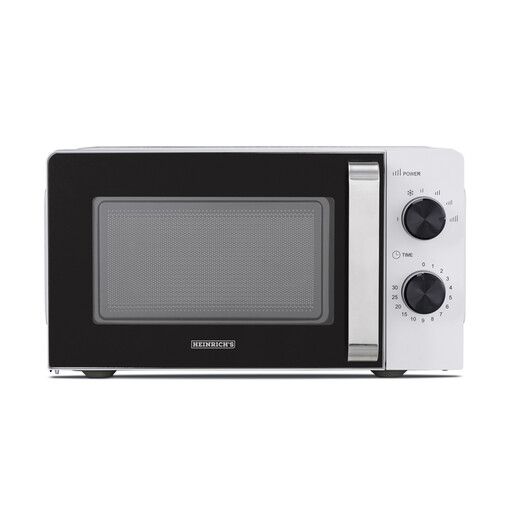 Image unavailable
Worth considering for reheating and defrosting in a small kitchen. The product name doesn’t indicate an oven-cooking function.
Capacity: 20 L. Power: 700 W. Six power levels and a defrost function.
 Image unavailable
Worth considering if you want to reheat food and have a grill as well. Check that its functions suit the dishes you prepare.
Capacity: 20 L. Power stated in the product name: 700 W.
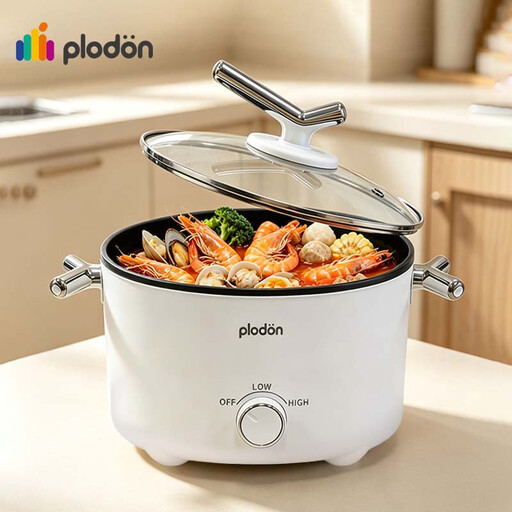 Image unavailable
Worth considering for simple one-pot dishes such as noodles or soup. Check what the model is designed for and follow its instructions.
Capacity: 2 L. Power stated in the product name: 1 000 W. Two power settings.
 Image unavailable
Worth considering for cooking in a saucepan or frying pan without a built-in hob. Your cookware must be induction-compatible.
Power stated in the product name: 2 000 W. Eight power levels, temperature settings from 60 to 270 °C and seven preset programmes.
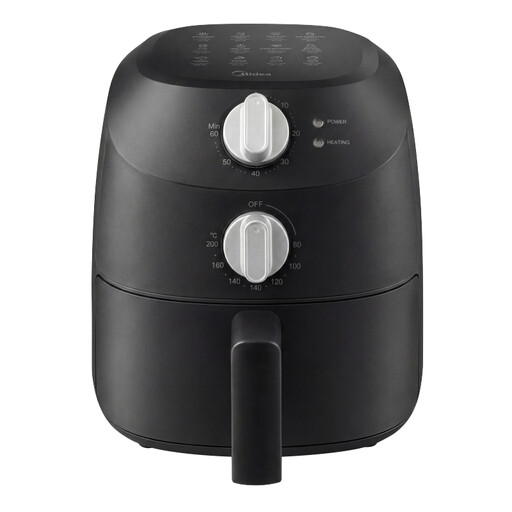 Image unavailable
Worth considering as an extra appliance for small portions. Bear in mind the space you’ll need to use and store it.
Capacity: 2 L. Power stated in the product name: 1 150 W. Non-stick basket and removable, dishwasher-safe parts, according to the product name.
Don’t assume a connection is suitable just because there’s a spare socket. Check the instructions for your appliances, sockets and electrical installation, especially if several appliances might be used at the same time. Promotelec warns against overloaded extension leads and daisy-chained connections. This general advice doesn’t confirm that a particular setup in your studio flat is safe.
The external width alone isn’t enough to tell you whether the location is suitable. Check the manual for the exact model’s clearance requirements, ventilation openings and permitted surfaces before deciding where to put it.
Compare specific cooking tasks and cooking times, rather than just the wattage shown. ADEME’s annual figures are based on different categories and usage assumptions, including a 63 L electric oven. They don’t predict how much energy a mini oven will use in your studio flat.
The statutory guarantee of conformity covers new, second-hand and refurbished goods sold by a trader to an individual. The French Ministry of the Economy states that it applies for two years. It’s separate from any additional commercial warranty that may be offered.
No. The DGCCRF explains that the CE mark represents the manufacturer’s commitment to meeting the applicable requirements; it isn’t a certification mark. Whether it’s required depends on the regulations that apply to the product in question.