Which features should you compare in a small kitchen ?
To compare brewing methods, start with the space available when the machine is in use. Then consider consumables, maintenance and the type of drink you want to make.
Pod or capsule machine
Choose this if: you mainly make one or two cups and prefer pre-measured portions.
Bear in mind: you’ll need compatible portions, and the machine must be easy to reach so you can fill the water tank and empty used pods or capsules.
Portafilter espresso machine
Choose this if: you want to make espresso with ground coffee and are happy to handle a portafilter.
Bear in mind: preparation and cleaning, along with space for accessories, are all part of the routine.
Filter coffee machine
Choose this if: you drink filter coffee and want to make a small amount or several cups in a jug.
Bear in mind: choose a capacity that suits your needs and leave room to fill the tank, remove the filter holder and handle the jug.
Kettle and manual brewing
Choose this if: you also use hot water for tea or herbal infusions, or already own a suitable kettle.
Bear in mind: you’ll need somewhere to store your coffee-making equipment and will have to make and clean your coffee by hand.
| Feature |
What to check before buying |
Who should consider it ? |
| Usable space |
Measure the width, depth and height, then check how much room you need to open the machine, fill it and remove its parts. |
When every centimetre counts, I want to fill and clean the machine without moving it. This is a priority for around 33 % of consumers. |
| Consumables and waste |
Check which portions or filters are compatible, how to store them and what local recycling guidance applies. |
If I make coffee every day, I want to avoid incompatible portions and plan where to store my supplies. Managing consumables is a priority for around 27 % of consumers. |
| Routine and maintenance |
Check which parts are removable and easy to reach, and follow the model’s cleaning and descaling instructions. |
To keep my routine simple, I want to know which parts to empty and clean after use. Maintenance comes before other criteria for around 20 % of consumers. |
| Drink and preparation |
Check the brewing method and capacity, as well as any noise or brewing-time measurements for the model if these matter to you. |
If I prefer filter coffee, portafilter espresso or tea as well, the type of machine changes my routine. The drink and ease of preparation are priorities for around 20 % of consumers. |
Options available on Joybuy
The options below cover electric moka brewing, espresso, filter coffee, cafetière coffee and capsules. Check the dimensions when the appliance is in use, as well as which consumables are suitable for each machine.
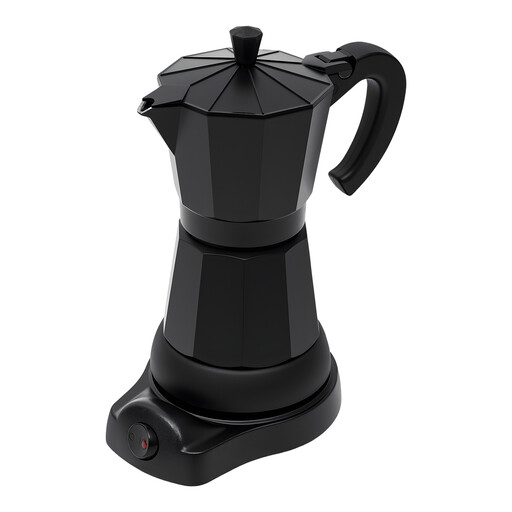 Image unavailable
Electric moka coffee maker, 480 W, 300 ml
Worth considering if you’re looking for an electric moka-style coffee maker for home or the office.
Listed power: 480 W; listed capacity: 300 ml.
Joybuy
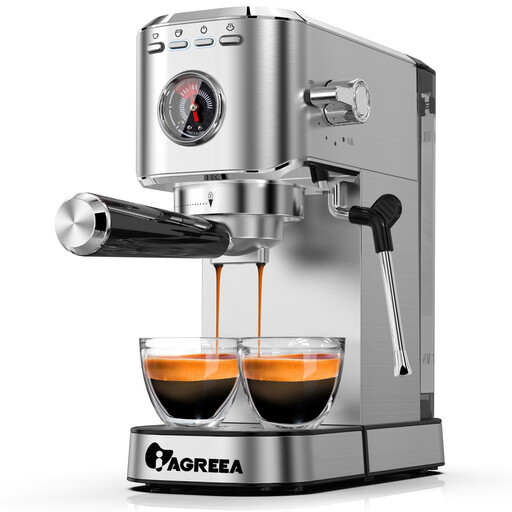 Image unavailable
IAGREEA 20Bar espresso machine, 1.1 l water tank
Worth considering if you want to make espresso with a portafilter machine and are looking for a model described as compact.
The title lists 20Bar, a 1.1 l water tank, a steam wand and a cup-warming tray. The product description states that cups up to 5.1 inches tall will fit on the tray.
Joybuy
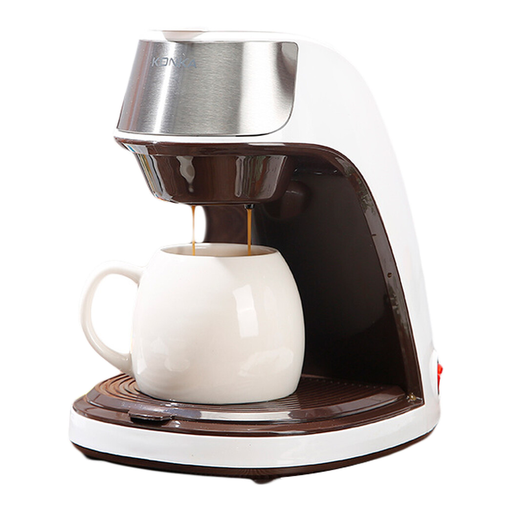 Image unavailable
KONKA automatic coffee maker, 300 ml
Worth considering for brewing a small amount of coffee or tea in a machine described as compact.
Listed capacity: 300 ml. The title and product description mention drip brewing.
Do not immerse the main unit. Unplug the machine before cleaning and wipe it with a damp cloth.
Joybuy
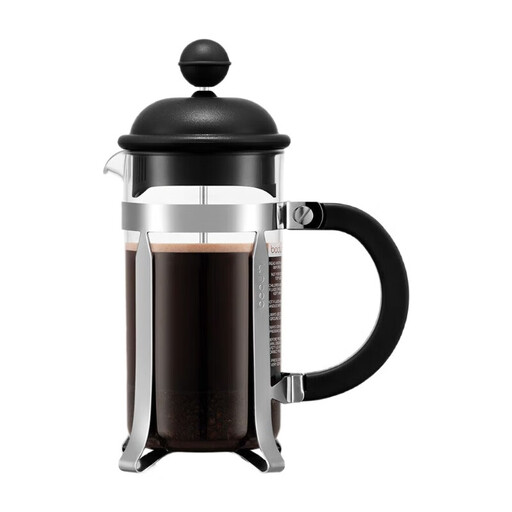 Image unavailable
Bodum Caffettiera, 350 ml, 3 cups, Black
Worth considering if you prefer to brew a small amount of coffee by hand using a cafetière.
Listed capacity: 350 ml, or three cups. Brewing requires hot water and manually pressing the plunger. The glass carafe is fragile and must not be used on a hob, over a flame or in a microwave.
Joybuy
 Image unavailable
KRUPS Nespresso Essenza Mini, 0.6 l, 1200 W, Pure White
Worth considering if you make single servings and are looking for an Essenza Mini capsule machine.
The title lists a 0.6 l water tank and 1200 W power. It is compatible only with Nespresso Original capsules or capsules designed for this system.
Joybuy
Frequently asked questions
What should you measure before fitting a coffee machine under a cupboard ?
Measure the available width, depth and height, then check that there’s room to fill and open the machine, remove your cup and take out parts for washing. The dimensions on a product listing describe the machine itself; they don’t provide a universal clearance for every use.
How can you compare consumables for two different formats ?
First check compatibility with each machine, then compare how much storage you’ll need, how often you’ll need to replace the consumables and how much waste they produce. Portions, ground coffee and filters all suit different routines.
How do you maintain an electric coffee machine in a small home ?
Keep removable parts within easy reach and follow the instructions for your model when cleaning and descaling it. ADEME recommends descaling coffee machines and emptying their tanks, among other steps. Philips’ advice for the Maestro doesn’t automatically apply to other machines.
What statutory guarantee applies in France to a coffee machine bought from a trader ?
The statutory guarantee of conformity is compulsory for new, second-hand and refurbished goods sold by a trader to a private individual, and claims must be made to the seller. The French Ministry of the Economy and Finance explains that a commercial guarantee is in addition to this statutory guarantee and does not replace it.
Does a coffee machine have to display a repairability index in France ?
No. According to the official list from the French Ministry of the Economy and Finance, checked on 23 October 2026, coffee machines aren’t among the product categories required to display this index. The absence of an index doesn’t, by itself, mean that a machine can’t be repaired.


